Physical Address
304 North Cardinal St.
Dorchester Center, MA 02124
Physical Address
304 North Cardinal St.
Dorchester Center, MA 02124

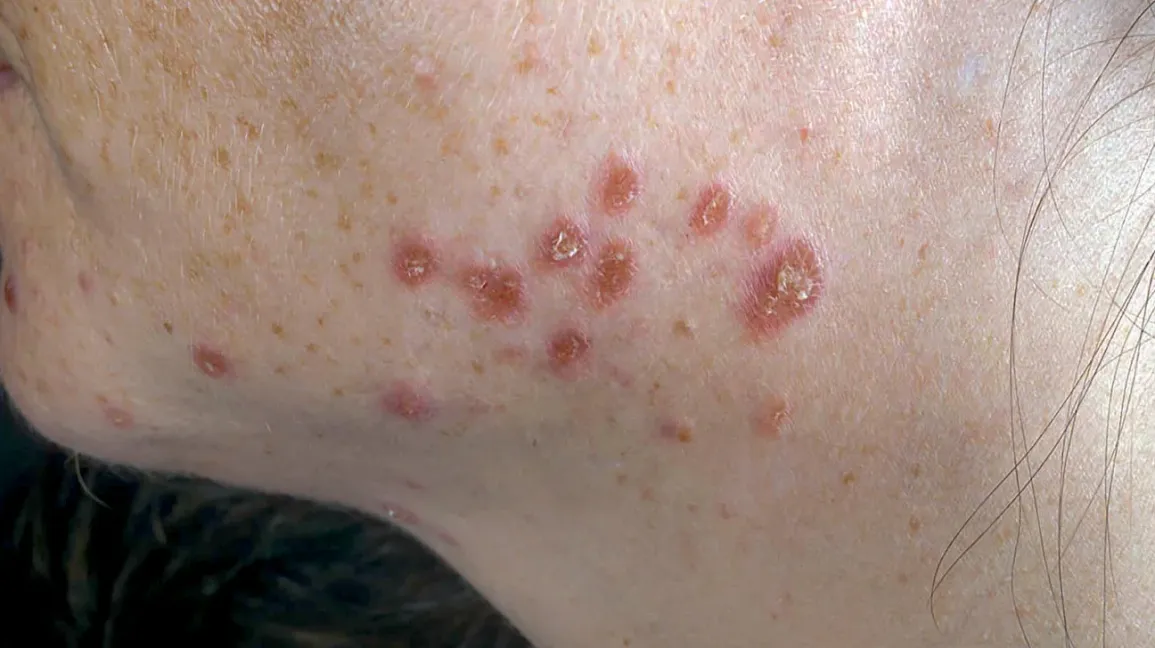
When people hear the term “sarcoidosis,” they often wonder, “Is sarcoidosis cancer?” The confusion is understandable since both conditions can cause abnormal tissue growth in the body. However, sarcoidosis is not a form of cancer, even though some of its symptoms and imaging results may resemble it.
Sarcoidosis is an inflammatory disease where tiny clumps of immune cells, called granulomas, form in various organs — most commonly in the lungs, lymph nodes, eyes, and skin. These granulomas can interfere with how the organs work.
The exact cause of sarcoidosis remains unclear. Researchers believe it’s triggered by an overactive immune response to unknown substances, possibly infections or environmental factors. It tends to affect adults between 20 and 40 years old, and women are slightly more prone than men.
read about>>Is Pneumonia Contagious?
No, sarcoidosis is not cancer. While cancer involves uncontrolled growth of abnormal cells that can invade nearby tissues or spread to other parts of the body, sarcoidosis is an autoimmune and inflammatory condition.
However, because sarcoidosis can cause swollen lymph nodes or lesions in the lungs, it may mimic certain cancers, such as lymphoma or lung cancer, on X-rays or CT scans. This similarity sometimes leads to confusion or misdiagnosis until a biopsy confirms the true cause.
| Feature | Sarcoidosis | Cancer |
|---|---|---|
| Nature | Inflammatory disease | Uncontrolled cell growth |
| Cause | Immune system overreaction | Genetic mutations in cells |
| Contagious | No | No |
| Spread | Does not metastasize | Can spread to other organs |
| Treatment | Steroids and anti-inflammatory drugs | Chemotherapy, radiation, or surgery |
Recognizing these differences is crucial for determining proper treatment and avoiding unnecessary cancer-related stress.
Symptoms vary depending on the organs affected but often include:
Some people may have mild symptoms that go away on their own, while others develop chronic inflammation requiring medical care.
Diagnosing sarcoidosis usually involves a combination of chest X-rays, blood tests, lung function tests, and biopsies. The goal is to identify granulomas and rule out other diseases like infections or cancer.
Treatment depends on the severity of the condition. Mild cases may not need medical intervention and can resolve naturally. For more serious cases, doctors often prescribe:
With proper treatment, most people with sarcoidosis lead normal, healthy lives.
Research suggests that people with long-term sarcoidosis may have a slightly higher risk of developing certain cancers, such as lymphoma. However, this connection is still under investigation, and the overall risk remains very low. Regular checkups and follow-ups can help detect any potential complications early.
So, is sarcoidosis cancer? No — it’s an autoimmune inflammatory condition that may resemble cancer but behaves very differently. With accurate diagnosis, proper treatment, and regular medical supervision, most individuals recover or manage the condition successfully. Understanding the distinction between sarcoidosis and cancer is essential for peace of mind and effective care.