Physical Address
304 North Cardinal St.
Dorchester Center, MA 02124
Physical Address
304 North Cardinal St.
Dorchester Center, MA 02124

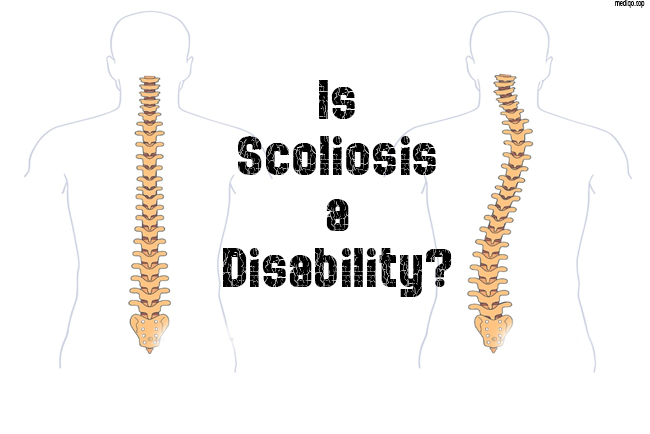
Scoliosis is a condition in which the spine curves sideways in an abnormal “S” or “C” shape. It can affect people of all ages but is most commonly diagnosed during adolescence. The severity of the curve can vary widely—from mild cases that cause little discomfort to severe deformities that affect posture, breathing, and mobility.
While many cases are mild, scoliosis can progress and lead to chronic pain, reduced flexibility, and difficulty performing physical activities. For some individuals, the physical limitations can interfere with their ability to work, especially in jobs that require lifting or prolonged standing.
Living with scoliosis can present challenges beyond physical discomfort. The uneven alignment of the spine often leads to back pain, muscle fatigue, and posture issues. In severe cases, it can even compress the lungs or heart, causing respiratory problems.
Additionally, scoliosis may cause emotional stress and self-consciousness due to visible body asymmetry. Activities that require balance or endurance, such as sports or manual labor, may become difficult. For people with advanced curvature, walking long distances or sitting for extended periods can be painful.
Transitioning between activities can also be hard, and over time, chronic pain might lead to fatigue or sleep problems. These symptoms can significantly impact the ability to maintain employment or carry out daily tasks efficiently.
Read more >> How Many Radiation Treatments for Prostate Cancer?
Whether scoliosis is considered a disability depends on its severity and impact on an individual’s ability to function. In most countries, mild scoliosis is not classified as a disability. However, severe cases that limit mobility, breathing, or the ability to perform daily activities may qualify for disability benefits.
For example, under the U.S. Social Security Administration (SSA), scoliosis can qualify as a disability if it meets certain criteria. The condition must cause significant functional limitations or require medical intervention such as spinal fusion surgery. Medical records, imaging scans, and doctor assessments are crucial when applying for benefits.
Applicants must prove that their scoliosis prevents them from engaging in substantial gainful activity. Documentation of consistent pain, physical restrictions, and related complications—such as nerve compression or organ impairment—can strengthen a disability claim.
Read more >> The Running Man (2025): A Thrilling Reimagining of a Classic Chase for Survival
Treatment for scoliosis depends on the degree of spinal curvature and symptoms. Mild cases are often managed through observation, physical therapy, and exercise programs that strengthen the back muscles. These approaches help improve posture and reduce pain.
Moderate scoliosis may require a back brace, especially in children and adolescents whose spines are still developing. Bracing helps prevent further curvature progression.
In severe cases, surgery such as spinal fusion might be necessary. Surgical treatment aims to correct the curvature, stabilize the spine, and alleviate pain. However, recovery can take months, and complications such as reduced flexibility or chronic discomfort may occur afterward.
Physical therapy, pain management programs, and lifestyle adjustments—like ergonomic seating and proper posture—can help individuals maintain a good quality of life.
If scoliosis severely limits daily functioning, applying for disability benefits may be an option. Applicants should collect medical evidence, including diagnostic imaging, treatment history, and physician reports. A detailed record of how the condition affects work performance and mobility will be necessary.
In the U.S., the SSA evaluates scoliosis under its musculoskeletal disorder listings. However, not everyone qualifies under the standard listing. Many people with scoliosis receive benefits through a Residual Functional Capacity (RFC) assessment, which measures how much physical work they can perform.
Those denied initially can appeal with additional documentation, such as physical evaluations and testimonies from healthcare providers. Legal or disability advocates can help guide applicants through the process.
While scoliosis can be physically and emotionally demanding, many people live full, productive lives with proper management. Regular medical care, exercise, and supportive therapies can help maintain function and comfort.
Workplaces can also accommodate employees with scoliosis by providing ergonomic seating, flexible schedules, and reduced physical strain. With these adjustments, many individuals can continue working without worsening their condition.
Scoliosis does not define a person’s abilities. With early diagnosis, appropriate treatment, and awareness of available support systems, those affected can lead healthy and fulfilling lives.