Physical Address
304 North Cardinal St.
Dorchester Center, MA 02124
Physical Address
304 North Cardinal St.
Dorchester Center, MA 02124

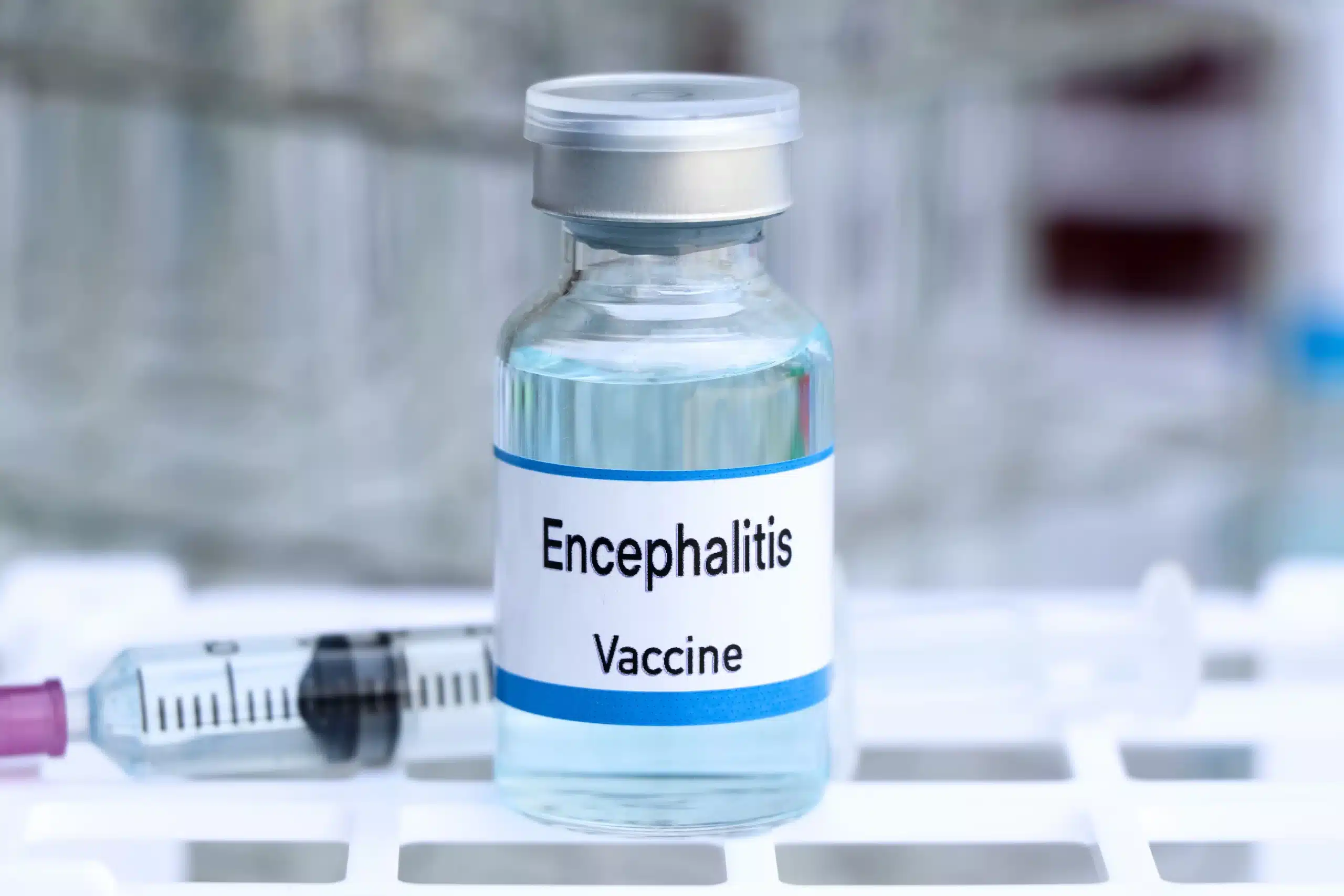
Japanese Encephalitis (JE) is a serious mosquito-borne viral disease that affects the brain. It is common in many parts of Asia and the Western Pacific, posing a risk to both travelers and residents in endemic regions. Fortunately, the Japanese Encephalitis vaccine offers effective protection. Understanding how it works, who needs it, and when to take it can help prevent infection and long-term complications.
Japanese Encephalitis is caused by the Japanese Encephalitis virus (JEV), which is transmitted through the bite of infected Culex mosquitoes. These mosquitoes often breed in rice fields, standing water, and rural farming areas. While most infections cause mild or no symptoms, severe cases can lead to inflammation of the brain, seizures, paralysis, and even death.
The disease is most common in countries such as India, China, Nepal, Indonesia, and Thailand. Travelers visiting these regions are at higher risk, particularly during and after the rainy season when mosquito activity increases
read about>>Malaria Treatment
The Japanese Encephalitis vaccine is the most effective way to prevent this potentially fatal disease. Since there is no specific antiviral treatment for JE, vaccination plays a vital role in protection. Once infected, the virus can cause long-term neurological damage in survivors, including speech problems and movement disorders.
Moreover, even though Japanese Encephalitis is rare among short-term travelers, its severe impact makes vaccination an essential precaution. Public health authorities, including the World Health Organization (WHO) and the Centers for Disease Control and Prevention (CDC), recommend vaccination for anyone living in or traveling to high-risk areas.
There are several types of JE vaccines available worldwide. Each is safe and highly effective.
Both vaccines provide long-lasting protection and have excellent safety profiles.
The JE vaccine is recommended for:
However, it is not usually recommended for short-term travelers staying in urban areas, where the risk of infection is very low.
Most people experience no major side effects after vaccination. Some may have mild symptoms like:
Severe allergic reactions are extremely rare. Medical professionals monitor patients after vaccination to ensure safety.
Even with vaccination, mosquito protection remains important. To reduce your risk:
Combining vaccination with mosquito control provides the best defense against infection.
The Japanese Encephalitis vaccine is a critical step in protecting against a potentially deadly virus. With proper vaccination, personal precautions, and awareness, travelers and residents can stay safe in affected regions. Prevention is always better than cure — and in the case of JE, vaccination is the most reliable shield.