Physical Address
304 North Cardinal St.
Dorchester Center, MA 02124
Physical Address
304 North Cardinal St.
Dorchester Center, MA 02124

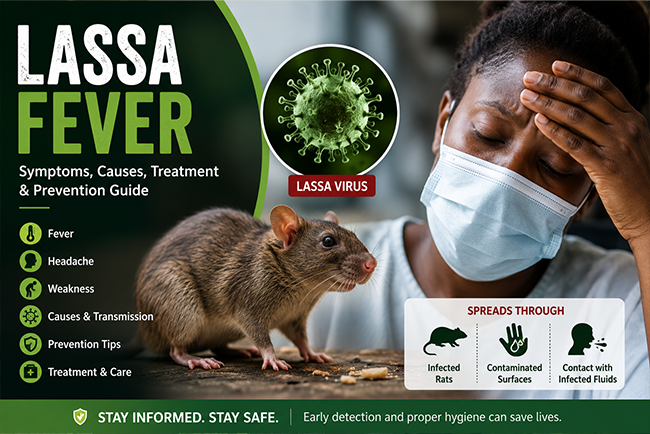
Lassa Fever is a viral hemorrhagic illness caused by the Lassa virus. It is mainly found in parts of West Africa, where it remains a significant public health concern. Although many infections are mild, some cases become severe and may lead to life-threatening complications. Therefore, understanding the symptoms, causes, and prevention methods is essential for reducing the spread of this disease.
Lassa Fever is an acute viral infection transmitted primarily through contact with food or household items contaminated by the urine or droppings of infected multimammate rats. In addition, the virus can spread from person to person through direct contact with blood, saliva, urine, or other bodily fluids of an infected individual.
Healthcare workers are also at risk if they do not use appropriate infection prevention measures.
Read More>>Mr. Hero (2026): Release Date, Cast, Story, and Everything You Need to Know
The symptoms of Lassa Fever usually appear 6 to 21 days after exposure to the virus. While many infected people experience mild illness, others develop severe disease.
Common symptoms include:
In severe cases, patients may experience:
Early medical evaluation can improve outcomes significantly.
The primary cause of Lassa Fever is infection with the Lassa virus. People become infected after exposure to contaminated food, surfaces, or household items.
Several factors increase the risk, including:
Consequently, improving hygiene and rodent control plays a major role in prevention.
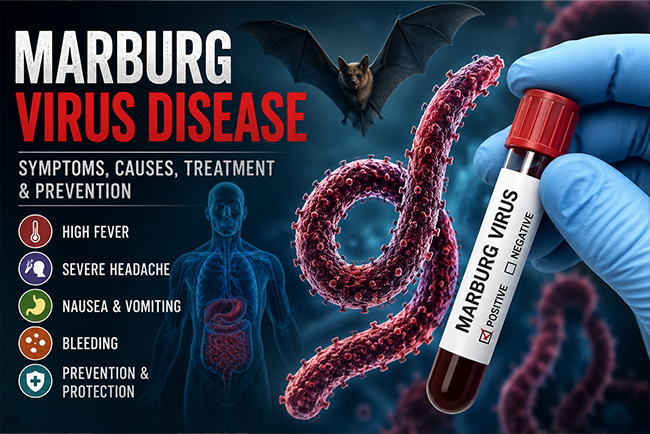
Read More>>Marburg Virus Disease: Symptoms, Causes, Treatment, and Prevention
Doctors diagnose Lassa Fever by reviewing symptoms, travel history, and possible exposure. Laboratory tests are necessary to confirm the infection.
Common diagnostic methods include:
Because the symptoms resemble malaria, typhoid fever, and other viral illnesses, laboratory confirmation is important.
There is no universal cure for Lassa Fever. However, early treatment greatly improves survival.
Treatment may include:
Patients with severe illness often require hospital care and close monitoring.
Prevention focuses on avoiding exposure to infected rodents and limiting person-to-person transmission.
Follow these prevention tips:
Additionally, educating communities about safe hygiene practices can reduce outbreaks.
Without prompt treatment, Lassa Fever may cause serious health problems, including:
Fortunately, early diagnosis and supportive care greatly reduce these risks.
Seek immediate medical attention if you develop fever and flu-like symptoms after visiting or living in areas where Lassa Fever occurs. Early diagnosis helps prevent complications and improves recovery.
Lassa Fever remains an important infectious disease in parts of West Africa. Although many infections are mild, severe cases require urgent medical care. Recognizing the symptoms, seeking early treatment, and following preventive measures are the best ways to reduce the risk of infection. Staying informed and practicing good hygiene can protect both individuals and communities.