Physical Address
304 North Cardinal St.
Dorchester Center, MA 02124
Physical Address
304 North Cardinal St.
Dorchester Center, MA 02124
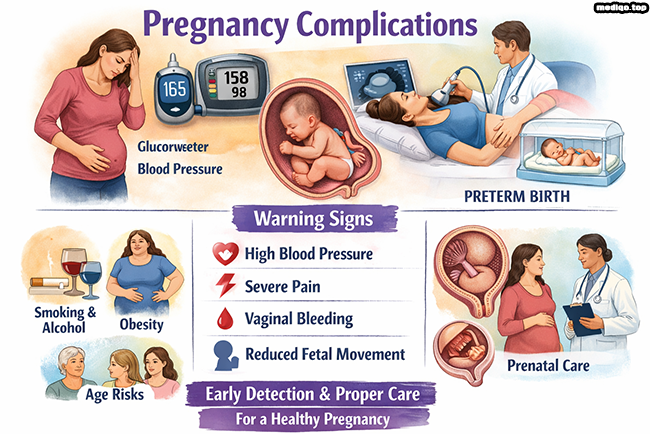
Pregnancy is a beautiful journey, but it may involve certain health risks. These risks are called pregnancy complications. They can affect the mother, the baby, or both. Early awareness and proper care help reduce these risks significantly. Regular medical checkups, healthy habits, and timely treatment play key roles in protecting maternal and fetal health.
What Are Pregnancy Complications?
Pregnancy complications are health problems that occur during pregnancy. They can develop at any stage. Some complications are mild, while others may become serious. Certain conditions exist before pregnancy, and pregnancy can worsen them. In other cases, complications develop only during pregnancy.
Common pregnancy complications include high blood pressure, gestational diabetes, infections, and premature labor. These conditions require careful monitoring. Early diagnosis improves outcomes and prevents long-term health problems.
Common Types of Pregnancy Complications
Several complications occur more frequently than others. Understanding them helps mothers stay alert and prepared.
Gestational Diabetes: This condition develops when blood sugar levels rise during pregnancy. Hormonal changes affect insulin function. If uncontrolled, it can cause excessive baby weight and delivery problems.
Preeclampsia: This complication involves high blood pressure and organ stress. It usually appears after 20 weeks. Symptoms include swelling, headaches, and vision problems. Severe cases may threaten both mother and baby.
Preterm Labor: Labor that begins before 37 weeks is considered premature. Premature babies may face breathing and developmental challenges. Medical support improves survival and health outcomes.
Placenta Problems: The placenta provides oxygen and nutrients to the baby. Placenta previa or placental abruption can disrupt this process. These conditions require immediate medical care.
Infections: Certain infections can harm the baby. These include urinary tract infections, bacterial infections, and viral illnesses. Proper treatment protects both mother and child.
Causes and Risk Factors
Several factors increase the risk of pregnancy complications. Age is an important factor. Women under 17 or over 35 face higher risks. Pre-existing health conditions also increase complications.
Chronic diseases such as diabetes, hypertension, and obesity contribute to pregnancy risks. Poor nutrition and unhealthy lifestyle choices also play a role. Smoking, alcohol, and drug use increase complications significantly.
Multiple pregnancies, such as twins or triplets, also raise risks. Lack of prenatal care prevents early detection. Regular monitoring helps identify problems early and ensures proper treatment.
Warning Signs to Watch For
Recognizing warning signs helps prevent serious complications. Pregnant women should never ignore unusual symptoms.
Severe abdominal pain is a warning sign. Persistent headaches or blurred vision also require attention. Sudden swelling of the face, hands, or feet may indicate preeclampsia.
Vaginal bleeding or fluid leakage is another serious symptom. Reduced baby movement also signals possible problems. Fever and painful urination may indicate infection.
Immediate medical care improves outcomes. Early action protects both mother and baby.
Effects on Mother and Baby
Pregnancy complications affect both maternal and fetal health. Mothers may experience high blood pressure, organ stress, or delivery problems. Severe complications may require emergency medical care.
Babies may face premature birth, low birth weight, or breathing difficulties. Some complications affect long-term growth and development. Proper medical care reduces these risks.
Healthy pregnancy management improves outcomes. Monitoring ensures early intervention and safer delivery.
Read more >> Natural Prevention of Thalassemia
Prevention and Management
Many pregnancy complications can be prevented or managed. Healthy lifestyle choices play an important role.
Regular prenatal checkups help detect problems early. Doctors monitor blood pressure, blood sugar, and baby growth. Early treatment prevents serious outcomes.
Balanced nutrition supports maternal and fetal health. Pregnant women should eat fruits, vegetables, protein, and whole grains. Proper hydration is essential.
Exercise improves circulation and overall health. Doctors recommend safe physical activity during pregnancy. Avoiding smoking, alcohol, and harmful substances reduces risks.
Following medical advice ensures a safer pregnancy. Proper care improves both maternal and baby health.
Importance of Prenatal Care
Prenatal care is essential for preventing pregnancy complications. Doctors track pregnancy progress and identify risks. Regular visits ensure proper monitoring.
Medical tests help detect hidden problems. Ultrasounds monitor baby development. Blood tests identify infections and health conditions.
Prenatal care provides education and guidance. Mothers learn healthy habits and warning signs. This knowledge improves pregnancy outcomes.
Support from healthcare providers ensures safe delivery. Proper prenatal care protects both mother and baby.
When to Seek Medical Help
Pregnant women should seek medical help immediately if symptoms appear. Severe pain, bleeding, or high fever requires urgent care. Reduced baby movement also needs evaluation.
Timely medical care prevents serious complications. Doctors provide treatment and monitoring. Early intervention improves safety and outcomes.
Never ignore unusual symptoms during pregnancy. Quick action protects maternal and fetal health.
Pregnancy complications can affect any pregnancy, but proper care reduces risks. Awareness, healthy habits, and regular medical checkups improve outcomes. Early detection allows timely treatment and prevents serious problems.
Prenatal care remains the most effective protection. Mothers who follow medical advice experience safer pregnancies. Healthy pregnancy management supports both mother and baby for a positive and safe birth experience.