Physical Address
304 North Cardinal St.
Dorchester Center, MA 02124
Physical Address
304 North Cardinal St.
Dorchester Center, MA 02124

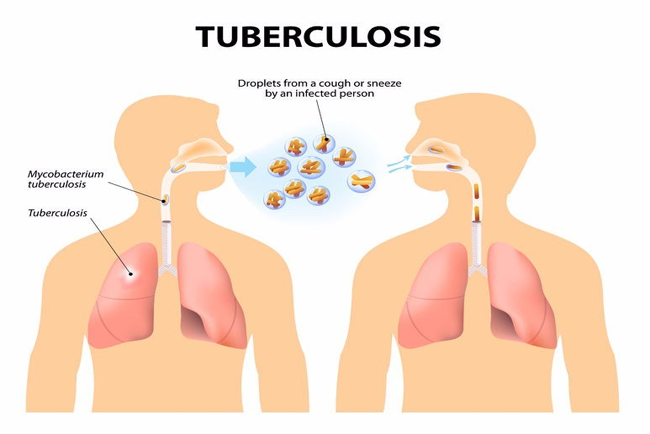
Pulmonary tuberculosis (TB) is a serious infectious disease that mainly affects the lungs. It is caused by Mycobacterium tuberculosis and spreads through the air when an infected person coughs or sneezes. Although TB is preventable and treatable, delayed diagnosis often leads to severe complications. Therefore, understanding pulmonary tuberculosis symptoms is essential for early detection and effective treatment.
Pulmonary tuberculosis is the most common form of tuberculosis. It primarily targets the lungs, but if left untreated, it can spread to other parts of the body. In many cases, symptoms develop gradually, which is why people often ignore early warning signs. However, recognizing these symptoms early can help stop transmission and improve recovery.
The symptoms of pulmonary tuberculosis can vary from person to person. However, the following signs are most commonly reported:
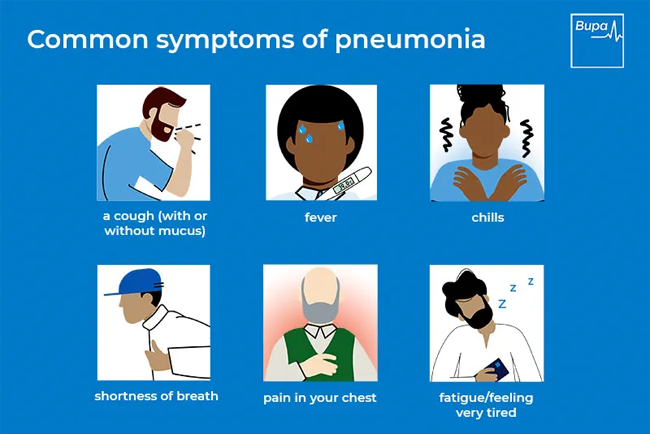
A cough lasting more than three weeks is one of the earliest and most noticeable pulmonary tuberculosis symptoms. Over time, the cough may worsen and produce sputum. In advanced cases, blood-streaked mucus may appear.
Chest pain often occurs during coughing or deep breathing. This symptom develops as the infection damages lung tissues. As a result, breathing may become uncomfortable or painful.
Low-grade fever, especially in the evening, is a classic symptom of pulmonary TB. Additionally, excessive night sweats that soak clothing or bedding are very common and should not be ignored.
Sudden and unintentional weight loss is another key warning sign. TB affects the body’s metabolism and appetite, which leads to gradual but noticeable weight reduction.
Read More>>How to Get Monoclonal Antibody Treatment for COVID-19
People with pulmonary tuberculosis often feel constantly tired. Even simple daily activities may feel exhausting. This happens because the body is fighting a long-term infection.
In some cases, additional symptoms may appear, including:
Although these symptoms may seem mild at first, they usually worsen over time if medical care is not sought.
If you experience a persistent cough along with fever, night sweats, or weight loss, you should consult a healthcare professional immediately. Early diagnosis not only improves treatment success but also reduces the risk of spreading tuberculosis to others.
Early detection of pulmonary tuberculosis symptoms plays a crucial role in preventing severe lung damage. Moreover, timely treatment significantly lowers the chance of complications and long-term health issues. Since TB is contagious, early care also protects family members and the community.
Pulmonary tuberculosis symptoms often start subtly but gradually become more serious. Therefore, staying informed and alert is the best defense. If you or someone close to you shows signs of TB, do not delay medical attention. With proper diagnosis and treatment, pulmonary tuberculosis is curable, and a full recovery is possible.
Read More>>Basel vs Viktoria Plzeň Live Score, H2H