Physical Address
304 North Cardinal St.
Dorchester Center, MA 02124
Physical Address
304 North Cardinal St.
Dorchester Center, MA 02124

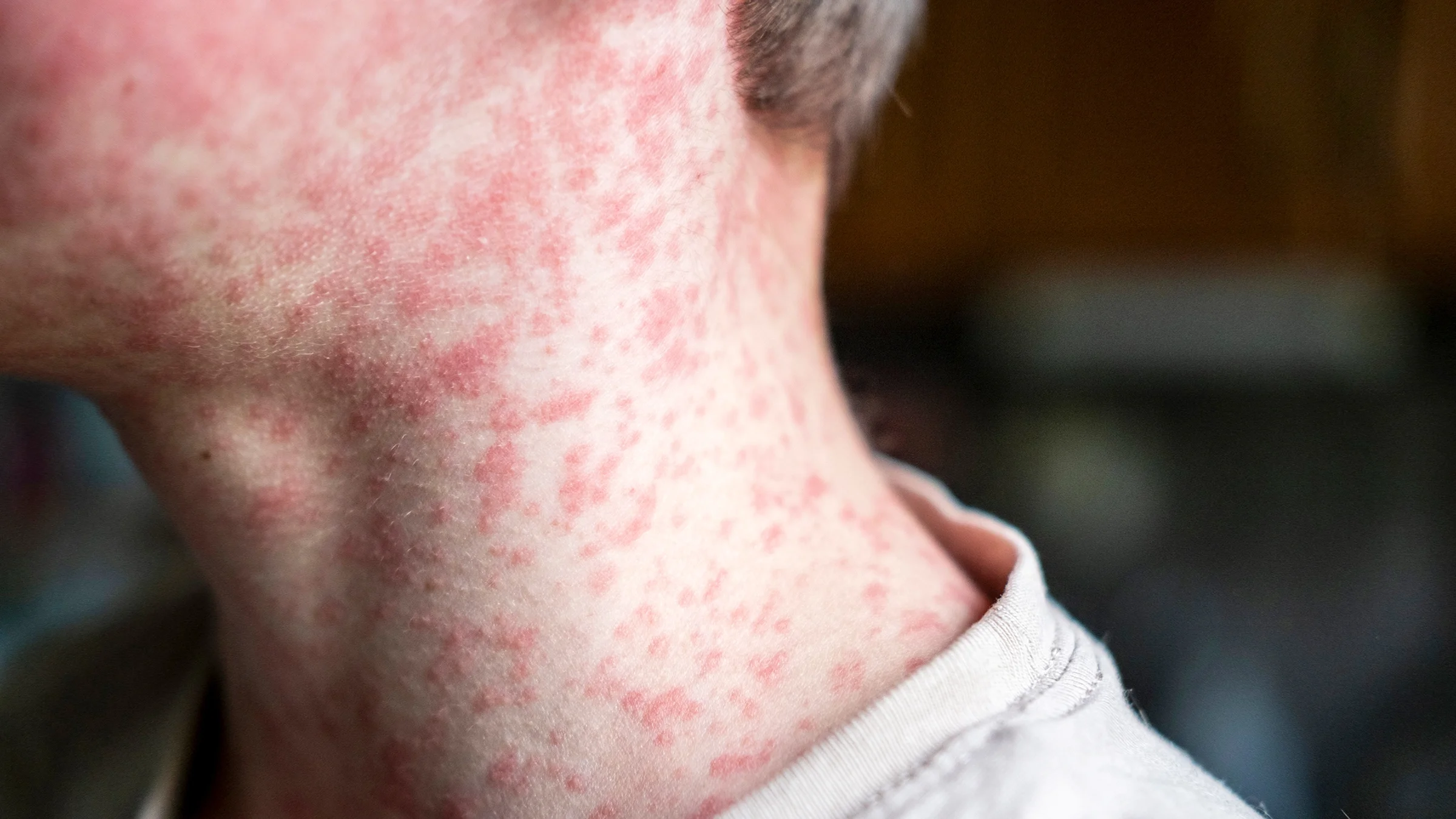
Skin rashes in children can be alarming, especially when they resemble contagious viral infections. Two common illnesses that often cause confusion are roseola and measles. Both can cause red spots, fever, and irritability. However, they differ in causes, progression, and severity. Understanding the differences between roseola vs measles rash helps parents and caregivers seek the right treatment promptly and avoid complications.
Roseola, also called sixth disease or roseola infantum, is a mild viral infection mostly seen in children under two years old. It is caused by the human herpesvirus type 6 (HHV-6) or, less commonly, HHV-7.
The infection typically begins with a sudden high fever lasting three to five days. Once the fever breaks, a pinkish-red rash appears on the body, signaling that recovery is near. Although roseola spreads through respiratory droplets, it is not as contagious as measles.
read about>>Symptoms of Endocarditis
Measles is a highly contagious viral infection caused by the rubeola virus. It spreads through coughing, sneezing, or direct contact with nasal secretions. Unlike roseola, measles can lead to severe complications, including pneumonia and encephalitis, especially in young children and unvaccinated individuals.
Symptoms begin about 10–12 days after exposure and progress through distinct stages, starting with fever, cough, runny nose, and red, watery eyes. After a few days, a characteristic rash appears.
One of the most important differences between roseola and measles is when the rash appears.
The roseola rash consists of small, flat, or slightly raised pink spots. It usually starts on the trunk and spreads to the neck and limbs, disappearing within a day or two.
The measles rash, on the other hand, starts on the face, especially near the hairline, and gradually spreads downward. The spots are red, larger, and often merge together, forming blotchy patches.
While both infections cause fever and rash, their accompanying symptoms differ.
Measles is far more contagious than roseola. The measles virus can linger in the air for up to two hours after an infected person coughs or sneezes. Roseola spreads through saliva but is generally mild and short-lived.
Roseola rarely leads to complications, though febrile seizures can occur during high fever.
Measles, however, can lead to serious outcomes, including ear infections, pneumonia, encephalitis, and even death in severe cases.
Doctors usually diagnose both conditions based on clinical symptoms. Laboratory tests or blood work may confirm the diagnosis when necessary.
Treatment for Roseola:
There is no specific antiviral treatment. Managing fever and ensuring hydration are usually enough.
Treatment for Measles:
Since measles has no cure, prevention through vaccination (MMR vaccine) is essential. Supportive care, hydration, and vitamin A supplements can help speed recovery and prevent complications.
While both roseola and measles cause fever and rashes, their severity and risks differ significantly. Roseola is generally mild and self-limiting, while measles can be life-threatening if not prevented through vaccination. Recognizing the difference between a roseola vs measles rash allows for timely care and peace of mind for parents. Always consult a healthcare provider for accurate diagnosis and guidance.




