Physical Address
304 North Cardinal St.
Dorchester Center, MA 02124
Physical Address
304 North Cardinal St.
Dorchester Center, MA 02124

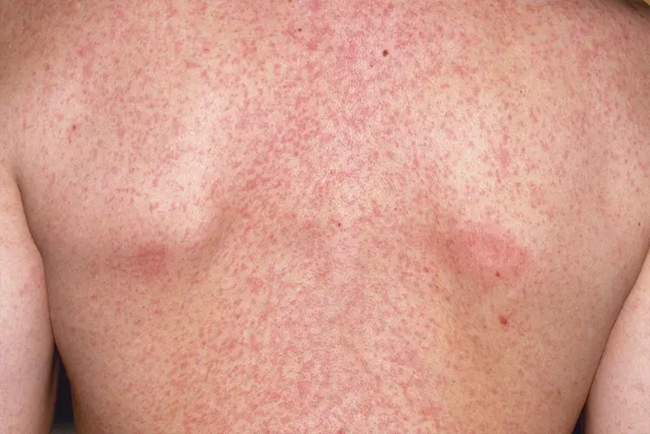
Rubella, also known as German measles, is a contagious viral infection that usually causes a mild illness in children and adults. However, rubella can become extremely dangerous during pregnancy because it may lead to severe birth defects or miscarriage. Fortunately, widespread vaccination has made rubella much less common in many countries.
In this guide, you’ll learn about rubella symptoms, causes, treatment, prevention, and possible complications while following the latest health recommendations.
Rubella is caused by the rubella virus. It spreads from person to person through respiratory droplets released when an infected person coughs or sneezes. Although many people recover within a week, the infection remains a significant public health concern because of its impact on unborn babies.
Since vaccination programs have expanded worldwide, rubella cases have declined dramatically. Nevertheless, outbreaks can still occur in communities with low vaccination rates.
Rubella symptoms often appear 14 to 21 days after exposure. In fact, some infected individuals experience no symptoms at all.
Common symptoms include:
The rash usually lasts about three days, which is why rubella is sometimes called the “three-day measles.”
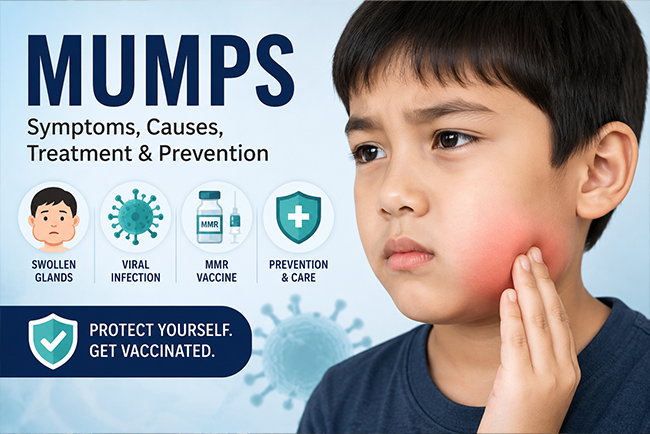
Read More>>Mumps: Symptoms, Causes, Treatment, and Prevention Guide
The rubella virus spreads easily through:
People can spread the virus before the rash appears and for several days afterward. Therefore, someone may unknowingly infect others.
Doctors typically diagnose rubella by reviewing symptoms and medical history. However, laboratory testing may be necessary to confirm the infection.
Diagnostic tests include:
Early diagnosis is especially important for pregnant women.
There is no specific antiviral treatment for rubella. Instead, treatment focuses on relieving symptoms while the body fights the infection.
Supportive care includes:
Most healthy individuals recover completely within one week.
Read More>>Carly Simon Reveals Parkinson’s Disease Diagnosis, Opens Up About Health Journey
Although rubella is generally mild, complications can occur.
These include:
The most serious complication is Congenital Rubella Syndrome (CRS), which occurs when a pregnant woman becomes infected. CRS may cause:
Therefore, preventing rubella during pregnancy is extremely important.
Vaccination remains the most effective way to prevent rubella.
Recommended prevention tips include:
High vaccination rates also help protect people who cannot receive vaccines through community immunity.
Seek medical advice if you:
Prompt medical evaluation helps reduce complications and protects vulnerable individuals.
Rubella is usually a mild viral illness, but it can have devastating consequences during pregnancy. Thankfully, vaccination has made the disease largely preventable. By recognizing rubella symptoms, understanding how the virus spreads, and staying up to date with the MMR vaccine, you can help protect yourself, your family, and your community. If you suspect rubella, consult a healthcare professional for proper diagnosis and guidance.