Physical Address
304 North Cardinal St.
Dorchester Center, MA 02124
Physical Address
304 North Cardinal St.
Dorchester Center, MA 02124

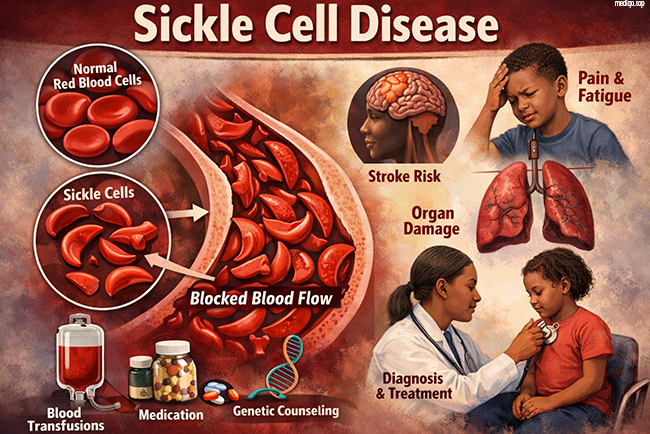
Sickle cell disease is a lifelong genetic blood disorder that affects millions of people worldwide. It mainly alters the shape and function of red blood cells. Healthy red blood cells remain round and flexible, which allows them to move easily through blood vessels. In sickle cell disease, these cells become rigid and crescent-shaped. As a result, blood flow slows down, and oxygen delivery to tissues becomes limited. This condition often begins in early childhood and continues throughout life. Therefore, early awareness and proper care play a vital role in improving outcomes.
Sickle cell disease develops due to a mutation in the gene that produces hemoglobin. Hemoglobin is the protein that carries oxygen in red blood cells. When a child inherits the faulty gene from both parents, the disease appears. If only one parent passes the gene, the child becomes a carrier but usually remains healthy. This inheritance pattern explains why the condition runs in families. In many regions, genetic screening helps identify carriers before marriage or pregnancy. Consequently, informed decisions can reduce the risk of severe cases.
Symptoms of sickle cell disease vary from person to person. However, anemia remains one of the most common signs. It causes fatigue, weakness, and shortness of breath. Pain episodes, often called pain crises, also occur frequently. These episodes develop when sickled cells block blood flow in small vessels. Swelling in the hands and feet may appear during infancy. Infections occur more often because the immune system becomes weaker. Over time, vision problems and delayed growth can also develop. Recognizing symptoms early allows faster medical support.
Sickle cell disease can lead to serious health complications. Stroke remains a major risk, especially in children. Organ damage may affect the kidneys, lungs, or liver due to reduced oxygen supply. Repeated infections increase hospital visits and health costs. Lung-related issues, such as acute chest syndrome, can become life-threatening. Gallstones may also develop because red blood cells break down faster than normal. With regular monitoring, many complications can be managed or prevented. Hence, long-term care remains essential.
Doctors diagnose sickle cell disease through blood tests. Newborn screening programs help detect the disorder shortly after birth. These tests measure the type of hemoglobin present in the blood. In older children and adults, hemoglobin electrophoresis confirms the diagnosis. Prenatal testing can also identify the condition before birth. Early diagnosis allows families to plan proper treatment and lifestyle adjustments. As a result, survival rates and quality of life improve significantly.
Although no universal cure exists, several treatments help control sickle cell disease. Medications like hydroxyurea reduce pain episodes and improve blood flow. Blood transfusions help manage severe anemia and prevent stroke. Doctors also prescribe antibiotics and vaccines to prevent infections. Pain management includes hydration, rest, and prescribed pain relievers. In some cases, stem cell or bone marrow transplant offers a potential cure. However, this option depends on donor availability and patient suitability.
Read more >> Vitiligo Symptoms: Early Signs, Causes, and What to Expect
Daily lifestyle choices strongly influence disease management. Drinking enough water helps prevent blood cells from sickling. A balanced diet supports overall health and energy levels. Regular medical checkups detect complications early. Patients should avoid extreme temperatures, as they may trigger pain crises. Stress management and adequate sleep also play important roles. Genetic counseling provides guidance for families planning children. Through prevention and education, individuals can lead more stable lives.
Living with sickle cell disease requires emotional and physical resilience. Support from family, healthcare providers, and community groups makes a meaningful difference. Education helps patients understand their condition and treatment plans. With modern medical advances, many people now live longer and more productive lives. Ongoing research continues to improve treatment options and hope for a cure. Therefore, awareness and consistent care remain the keys to better outcomes.