Physical Address
304 North Cardinal St.
Dorchester Center, MA 02124
Physical Address
304 North Cardinal St.
Dorchester Center, MA 02124

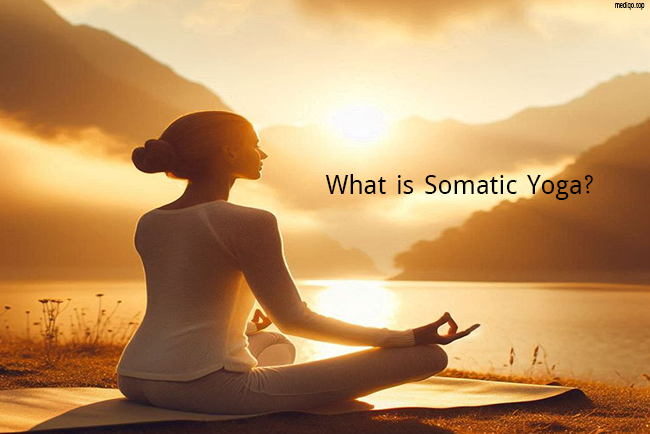
Somatic yoga is a gentle, mindful approach to yoga that focuses on the connection between your mind and body. Unlike traditional yoga, which often emphasizes physical postures and flexibility, somatic yoga prioritizes internal awareness and the subtle sensations of the body. The term “somatic” comes from the Greek word soma, meaning “the body as perceived from within.” In practice, this method encourages slow movements, breath awareness, and mindful attention to release tension and restore natural movement patterns.
Somatic yoga has roots in both traditional yoga and modern somatic practices. Somatic therapies, which emerged in the 20th century, focus on the mind-body connection to address stress, trauma, and muscular tension. Pioneers like Thomas Hanna developed Hanna Somatics, a method that influenced somatic yoga, combining gentle yoga movements with awareness exercises. Over time, somatic yoga evolved into a holistic practice blending mindfulness, movement therapy, and yoga philosophy to improve physical and mental well-being.
Read more >> Poor Personal Hygiene?
The key principle of somatic yoga is body awareness. Practitioners are encouraged to move slowly and intentionally, paying close attention to sensations such as tension, stiffness, or areas of discomfort. Unlike fast-paced exercise routines, somatic yoga emphasizes subtle, controlled movements that retrain the nervous system. By consciously engaging muscles and joints, practitioners learn to release chronic tension, improve posture, and increase flexibility. Regular practice helps rewire habitual movement patterns, reducing pain and promoting greater ease in daily life.
Somatic yoga offers a wide range of benefits for both body and mind:
Some common techniques used in somatic yoga include:
Somatic yoga is suitable for almost anyone, regardless of age or fitness level. It is especially beneficial for individuals with chronic pain, stress, or mobility limitations. Because it is gentle and slow, it reduces the risk of injury and allows practitioners to listen to their body’s needs. Athletes, office workers, seniors, and people recovering from injury can all benefit from this mindful approach to movement.
Getting started with somatic yoga is simple:
Somatic yoga is more than just exercise—it’s a journey toward mind-body harmony. By practicing slow, mindful movements and cultivating body awareness, individuals can release tension, reduce pain, and achieve holistic wellness. Whether you are seeking stress relief, improved mobility, or emotional balance, somatic yoga offers a gentle yet powerful approach to living healthier and more consciously.