Physical Address
304 North Cardinal St.
Dorchester Center, MA 02124
Physical Address
304 North Cardinal St.
Dorchester Center, MA 02124
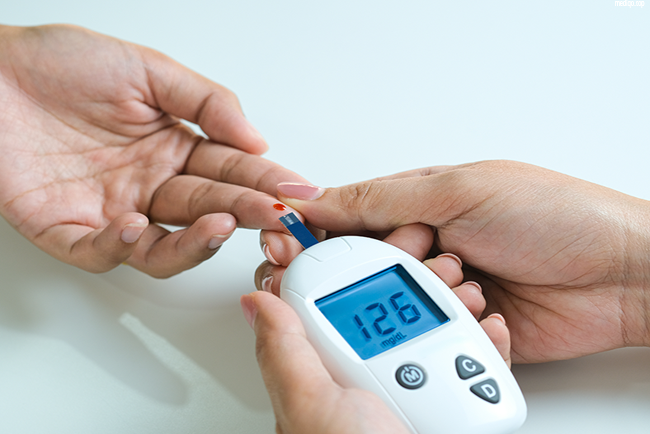
Diabetes is a chronic medical condition affecting millions of adults worldwide. It occurs when the body cannot effectively regulate blood sugar levels, either due to insufficient insulin production or the body’s inability to use insulin properly. Early detection is crucial because untreated diabetes can lead to severe complications such as heart disease, kidney failure, and nerve damage. Recognizing the symptoms of diabetes in adults is the first step toward timely management.
One of the most common symptoms of diabetes in adults is frequent urination, also known as polyuria. High blood sugar levels force the kidneys to work harder to filter glucose from the blood. This leads to an increased need to urinate, often accompanied by excessive thirst, medically termed polydipsia. Adults experiencing these symptoms should consider consulting a healthcare professional to rule out diabetes.
Read more >> Seasonal Flu Symptoms: Early Signs, Common Effects, and Prevention Guide
Unexpected weight loss without a change in diet or physical activity is another significant warning sign. When the body cannot use glucose effectively for energy, it starts breaking down fat and muscle tissue for fuel. This process causes rapid weight loss in adults, which may go unnoticed initially. Prompt medical evaluation can help identify whether diabetes is the underlying cause.
Adults with diabetes often report persistent fatigue and weakness. High blood sugar levels prevent glucose from entering cells efficiently, leading to reduced energy production. Even simple daily tasks can feel exhausting. Regular monitoring of blood sugar levels can provide insights into whether fatigue is diabetes-related or due to other conditions.
Blurred vision is a subtle yet common symptom of diabetes in adults. Elevated blood sugar can cause fluid to shift into the lenses of the eyes, affecting the ability to focus. Over time, chronic high blood sugar may lead to more serious eye conditions such as diabetic retinopathy. Eye examinations are recommended for adults experiencing vision changes alongside other diabetes symptoms.
Adults with diabetes often notice that cuts, bruises, or sores take longer to heal. High blood sugar weakens the immune system and impairs blood circulation, slowing down the body’s natural healing process. Frequent infections, including urinary tract infections and gum disease, are also common. Identifying these early symptoms can prevent severe complications.
Peripheral neuropathy, or nerve damage, is a complication often seen in adults with prolonged diabetes. Tingling, numbness, or a burning sensation in the hands and feet can signal elevated blood sugar levels over time. Early diagnosis and management of diabetes can reduce the risk of neuropathy and improve overall quality of life.
Adults with diabetes may experience skin-related symptoms, such as dryness, itching, or dark patches in body folds. These changes occur due to poor blood circulation and high glucose levels. While they may seem minor, skin symptoms can be an early indicator of diabetes, and addressing them promptly is important for long-term health.
Recognizing the symptoms of diabetes in adults is vital for preventing complications. Frequent urination, unexplained weight loss, fatigue, blurred vision, slow-healing wounds, tingling in extremities, and skin changes are common indicators. Adults experiencing these symptoms should consult a healthcare provider for early testing and management. Proper lifestyle changes, medication, and monitoring can help control diabetes and improve overall well-being.