Physical Address
304 North Cardinal St.
Dorchester Center, MA 02124
Physical Address
304 North Cardinal St.
Dorchester Center, MA 02124

Viral infections are caused by viruses, microscopic agents that invade living cells. These infections can affect different parts of the body, including the respiratory system, digestive tract, and skin. Unlike bacterial infections, viruses cannot be treated with antibiotics. Understanding the early signs of viral infections can help in seeking timely medical attention and preventing complications.
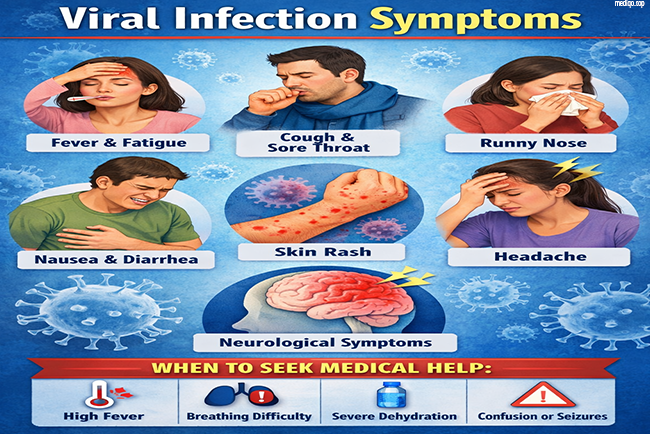
Viral infections often present with a range of symptoms. Fever, fatigue, and body aches are among the most common signs. Individuals may also experience headaches, sore throat, and coughing. Gastrointestinal symptoms such as nausea, vomiting, and diarrhea can occur depending on the type of virus. Recognizing these symptoms early can prevent the infection from worsening.
Read more >> Postpartum Depression Symptoms: Signs, Causes, and Coping Strategies
Respiratory viruses like influenza, the common cold, and COVID-19 primarily affect the lungs and airways. Symptoms may include a runny or stuffy nose, sneezing, sore throat, and shortness of breath. In some cases, patients develop a dry cough, chest discomfort, or wheezing. Respiratory viral infections are highly contagious, so practicing proper hygiene is crucial.
Certain viral infections affect the skin. Rashes, redness, and small blisters are common indicators. Measles, chickenpox, and shingles are examples of viruses that cause skin changes. These infections often start with a mild fever before the skin symptoms appear. Early recognition of skin manifestations can help prevent spreading the virus to others.
Viruses such as norovirus and rotavirus mainly target the digestive system. Symptoms may include diarrhea, abdominal pain, nausea, and vomiting. Dehydration is a common complication in severe cases, particularly in children and the elderly. Drinking fluids and maintaining proper nutrition are essential during recovery from gastrointestinal viral infections.
Some viral infections affect the nervous system. Encephalitis and meningitis are rare but severe viral complications. Symptoms may include confusion, sensitivity to light, seizures, or severe headaches. Prompt medical care is essential to prevent long-term damage. Awareness of neurological symptoms can be lifesaving in viral infections.
Most viral infections are self-limiting and resolve within days to weeks. However, persistent high fever, difficulty breathing, severe dehydration, or neurological symptoms require immediate medical evaluation. Early diagnosis and supportive care can improve outcomes and prevent complications.
Prevention is the most effective strategy against viral infections. Regular handwashing, avoiding close contact with infected individuals, and getting recommended vaccinations can reduce the risk. Maintaining a healthy lifestyle, including proper nutrition, exercise, and adequate sleep, also strengthens the immune system.