Physical Address
304 North Cardinal St.
Dorchester Center, MA 02124
Physical Address
304 North Cardinal St.
Dorchester Center, MA 02124


Vitiligo symptoms appear when pigment-producing cells stop working properly. These cells, called melanocytes, give skin its natural color. When they fail, light or white patches develop on different body areas. Vitiligo is not contagious, and it does not threaten life. However, it can affect confidence and emotional well-being. Early awareness of vitiligo symptoms helps people seek medical advice sooner and manage changes effectively.
One of the first vitiligo symptoms involves small pale or white spots on the skin. These patches often appear on areas exposed to the sun. Hands, face, feet, and arms are common locations. The spots usually start small but may grow over time. The edges can be smooth or irregular. Many people notice the contrast more clearly on darker skin tones.
Vitiligo symptoms do not affect skin alone. Hair growing in affected areas may turn white or gray earlier than expected. This change can involve scalp hair, eyebrows, eyelashes, or beard hair. Some people also notice whitening of body hair. This sign often surprises individuals and leads them to seek medical help.
Read more >> Measles Symptoms: Early Signs, Rash Stages, and Warning Indicators
Vitiligo symptoms can appear inside the body as well. The lining of the mouth and nose may lose color. These mucous membrane changes are less visible but still important. Dentists or doctors may notice them during routine exams. Although these changes usually cause no pain, they help confirm the condition.
Many vitiligo symptoms follow a symmetrical pattern. This means patches often appear on both sides of the body. For example, both hands or both knees may show similar color loss. Symmetry helps doctors distinguish vitiligo from other skin conditions. However, some forms of vitiligo affect only one side of the body.
Vitiligo symptoms vary from person to person. In some cases, pigment loss spreads slowly over years. In others, changes happen quickly within months. Periods of stability may occur, where no new patches appear. Stress, skin injury, or sunburn may trigger new areas. Doctors cannot predict the exact course of the condition.
Skin affected by vitiligo symptoms lacks melanin, which protects against UV rays. As a result, these areas burn more easily. Sunburn can cause redness, pain, and further skin damage. Many people with vitiligo use sunscreen daily to protect sensitive skin. Proper sun care also reduces patch contrast.
Vitiligo symptoms can influence mental health, especially in visible areas. Some individuals feel self-conscious or anxious about their appearance. Children and teens may face teasing or social stress. Support from family, friends, and healthcare providers plays an important role. Counseling or support groups often help improve confidence.
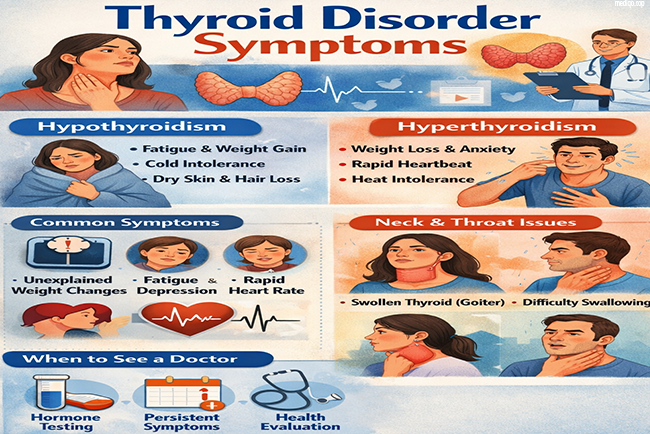
Vitiligo symptoms sometimes occur alongside other autoimmune disorders. These may include thyroid disease, type 1 diabetes, or alopecia areata. Not everyone with vitiligo develops these conditions. Doctors may suggest routine screening tests. Early detection supports better overall health management.
Medical advice should be sought when skin color changes appear without a clear cause. A dermatologist can diagnose vitiligo through examination and simple tests. Early evaluation helps rule out other conditions. Treatment options may slow progression or improve appearance. Prompt care also offers emotional reassurance.