Physical Address
304 North Cardinal St.
Dorchester Center, MA 02124
Physical Address
304 North Cardinal St.
Dorchester Center, MA 02124

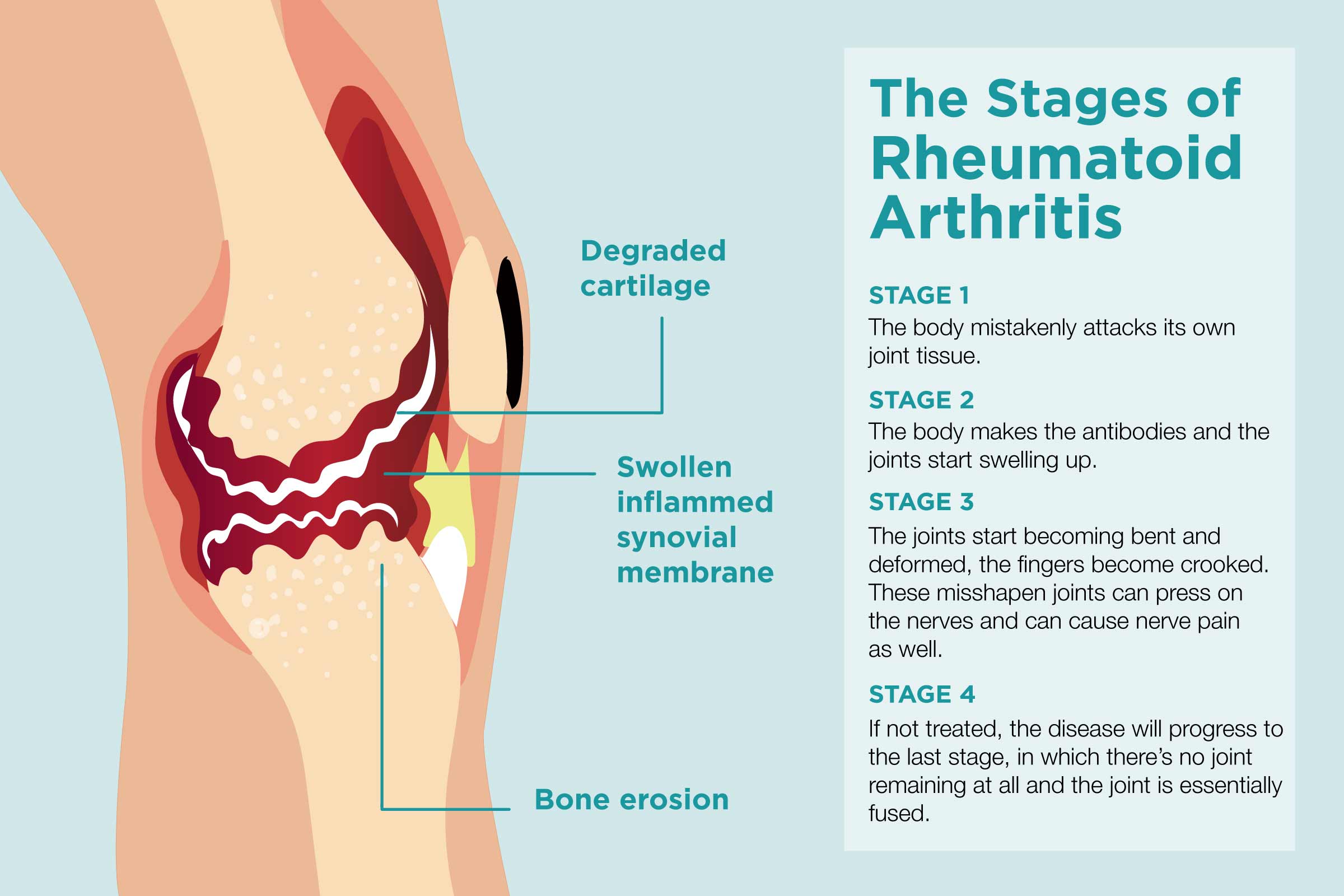
Rheumatoid arthritis (RA) is a chronic autoimmune disease that causes inflammation, pain, and swelling in the joints. Over time, this inflammation can lead to joint damage and loss of function. Understanding the 4 stages of rheumatoid arthritis helps patients and healthcare providers manage the disease more effectively and prevent long-term complications.
In the early stage, symptoms may be mild and often mistaken for other conditions. Inflammation begins in the synovial membrane, the tissue lining your joints, causing pain and stiffness.
Common symptoms include:
At this point, no visible joint damage appears on X-rays. However, early diagnosis and treatment are crucial to prevent further progression.
Treatment:
During the moderate stage, the inflammation becomes more severe and begins to damage the cartilage — the smooth tissue that cushions your joints. Patients may start noticing more persistent symptoms and difficulty with daily activities.
Symptoms include:
At this stage, joint X-rays may show early signs of bone erosion or cartilage damage.
Treatment:
In stage 3, the disease causes significant joint damage. The cartilage wears away, and bones begin to erode, leading to visible deformities and chronic pain.
Symptoms include:
Patients in this stage often find it hard to perform everyday tasks such as writing, walking, or gripping objects.
Treatment:
The final stage is end-stage rheumatoid arthritis, also called ankylosis. At this point, inflammation may decrease, but joint damage is severe and often irreversible. The bones may fuse together, causing complete loss of joint mobility.
Symptoms include:
Treatment:
Although rheumatoid arthritis is a lifelong condition, early diagnosis and consistent treatment can significantly slow disease progression. Following your doctor’s treatment plan, eating an anti-inflammatory diet, and maintaining an active lifestyle can help protect your joints and improve overall well-being.
read about>>Graves’ Disease Medication
Understanding the 4 stages of rheumatoid arthritis is essential for managing symptoms and preventing long-term joint damage. With modern treatments, many patients are able to lead active, fulfilling lives despite the diagnosis.
If you suspect you have symptoms of RA, consult a rheumatologist for an early evaluation — because timely intervention makes all the difference.




