Physical Address
304 North Cardinal St.
Dorchester Center, MA 02124
Physical Address
304 North Cardinal St.
Dorchester Center, MA 02124

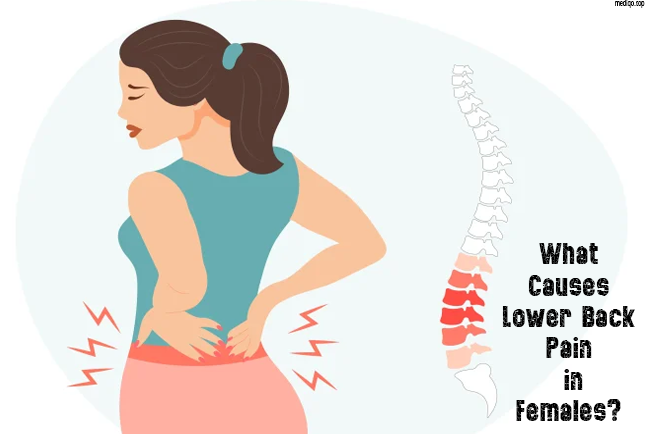
Lower back pain is one of the most common health issues among women. It can range from a dull ache to sharp, shooting pain that limits daily activities. While men also experience back pain, females are more prone to it due to unique biological and hormonal factors. Understanding the causes can help manage pain more effectively and prevent long-term problems.
Hormonal fluctuations play a key role in lower back discomfort. During menstruation, prostaglandins cause the uterus to contract, leading to pain that radiates to the lower back. Premenstrual syndrome (PMS) and ovulation can also trigger similar discomfort. Additionally, hormonal imbalances during perimenopause and menopause may weaken bones and muscles, making back pain more frequent.
Pregnancy is another major cause of lower back pain in females. As the baby grows, the spine is forced to curve more to balance the extra weight. This shift strains the lower back muscles and ligaments. Hormones like relaxin loosen pelvic joints in preparation for childbirth, which can increase instability and cause discomfort. Proper posture, prenatal exercises, and supportive maternity belts can reduce pain during pregnancy.
Read more >> Focker In-Law: The Upcoming Comedy That Promises Family Chaos and Laughter
Certain gynecological issues contribute to persistent lower back pain. Endometriosis, for instance, causes uterine tissue to grow outside the uterus, leading to severe pelvic and back pain. Pelvic inflammatory disease (PID) and ovarian cysts can also create pressure in the lower abdomen, which often extends to the back. Diagnosing and treating these conditions early is vital for pain relief and reproductive health.
Read more >> What Food Can Cause Appendicitis?
Modern lifestyles often involve long hours of sitting, which places excessive pressure on the lower spine. Poor posture while working at a desk, standing, or even sleeping can strain muscles and lead to chronic pain. Weak core muscles also fail to support the spine properly, worsening the condition. Regular stretching, maintaining ergonomic posture, and engaging in core-strengthening exercises can significantly reduce this type of pain.
Lifting heavy objects incorrectly or engaging in strenuous physical activities can cause muscle strains in the lower back. Women who work in physically demanding jobs or perform repetitive household chores are at a higher risk. Even sudden movements or falls can lead to back sprains. Rest, heat therapy, and gentle stretching can help muscles recover, while proper lifting techniques can prevent future injuries.
Certain spinal issues are more common in women, especially as they age. Osteoporosis weakens bones and increases the risk of spinal fractures. Degenerative disc disease, herniated discs, and arthritis can all cause chronic lower back pain. These conditions often require medical attention, physical therapy, and in some cases, medication to manage inflammation and pain.
Excess body weight puts extra stress on the spine and surrounding muscles. This strain leads to misalignment and pain in the lower back. In women, weight gain during pregnancy or menopause can increase the risk. Maintaining a healthy diet, engaging in regular exercise, and avoiding prolonged inactivity are effective ways to manage back pain related to obesity.
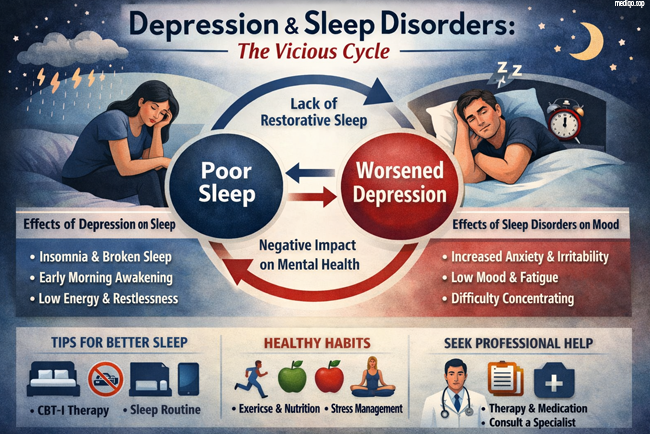
Emotional stress can manifest physically, especially in the lower back. Anxiety, depression, or chronic stress often cause muscle tension and stiffness. This tension, over time, leads to pain and discomfort. Practicing relaxation techniques such as yoga, deep breathing, or meditation can help relieve both emotional and physical symptoms.
Occasional back pain may improve with rest and self-care, but persistent or severe pain requires medical evaluation. Red flags include numbness, tingling, pain radiating down the legs, or bladder control issues. These may signal serious conditions like sciatica or nerve compression. Consulting a healthcare provider ensures accurate diagnosis and proper treatment.
Lower back pain in females has multiple causes, from hormonal changes to lifestyle factors. Identifying the root cause is key to effective treatment and prevention. Adopting a balanced diet, maintaining good posture, exercising regularly, and managing stress can significantly improve back health. By paying attention to early symptoms, women can prevent chronic pain and maintain a better quality of life.