Physical Address
304 North Cardinal St.
Dorchester Center, MA 02124
Physical Address
304 North Cardinal St.
Dorchester Center, MA 02124


Finding blood or small blood clots in urine, a condition known as hematuria, can be a frightening experience. While in some cases it may result from minor issues such as urinary tract infections, it can also signal more serious underlying health problems. Understanding the causes of small blood clots in urine can help you take timely action and protect your health.
Blood in the urine can appear in two ways:
If you see small clots, it usually means bleeding is happening somewhere in your urinary tract—the kidneys, bladder, ureters, or urethra.
A UTI can irritate the bladder or urethra, leading to inflammation and bleeding. Along with blood clots, symptoms may include:
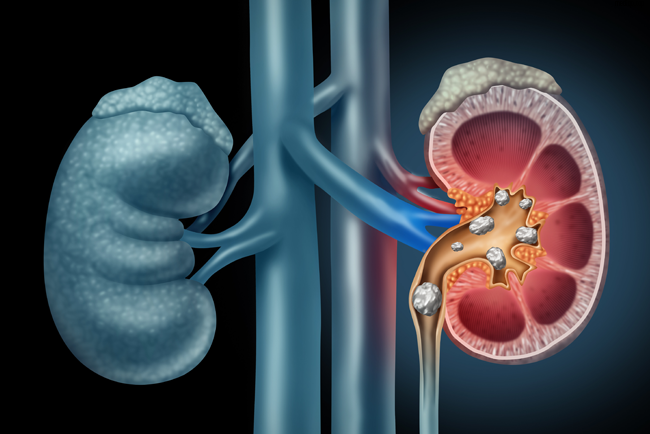
When stones form in the kidneys or bladder, they can scratch the urinary tract lining, causing pain and bleeding. Passing stones may produce small blood clots along with sharp back or abdominal pain.
read about>>What is Vitamin D Deficiency ICD-10?
Benign prostatic hyperplasia (BPH) or prostate inflammation can lead to bleeding. Blood clots may appear in urine, often alongside difficulty urinating or a weak urine stream.
read about>>Are Numb Lips a Sign of Stroke?
An injury to the kidneys, bladder, or urinary tract—from an accident, surgery, or medical procedure—can result in blood clots appearing in urine.
Bladder cancer, kidney cancer, or prostate cancer may cause hematuria. Blood clots are often one of the first warning signs, making it important to seek early evaluation.
People with bleeding disorders or those taking blood thinners (like warfarin or aspirin) may notice small clots in their urine. Even minor irritation can trigger bleeding in these cases.
For women, blood clots in urine may sometimes be confused with menstrual blood. Conditions like endometriosis or gynecological cancers may also contribute.
Although not all cases are life-threatening, blood clots in urine should never be ignored. Seek medical help immediately if you experience:
Your doctor may perform tests such as urinalysis, ultrasound, CT scan, or cystoscopy to identify the exact cause.
The treatment for blood clots in urine depends on the underlying condition:
So, what causes small blood clots in urine? They can result from infections, stones, prostate problems, injuries, or even cancers. While some causes are minor, others require urgent medical attention.
If you notice blood clots in your urine—especially if accompanied by pain, fever, or difficulty urinating—don’t ignore it. Seek medical care immediately. Early diagnosis is the key to effective treatment and better health outcomes.