Physical Address
304 North Cardinal St.
Dorchester Center, MA 02124
Physical Address
304 North Cardinal St.
Dorchester Center, MA 02124
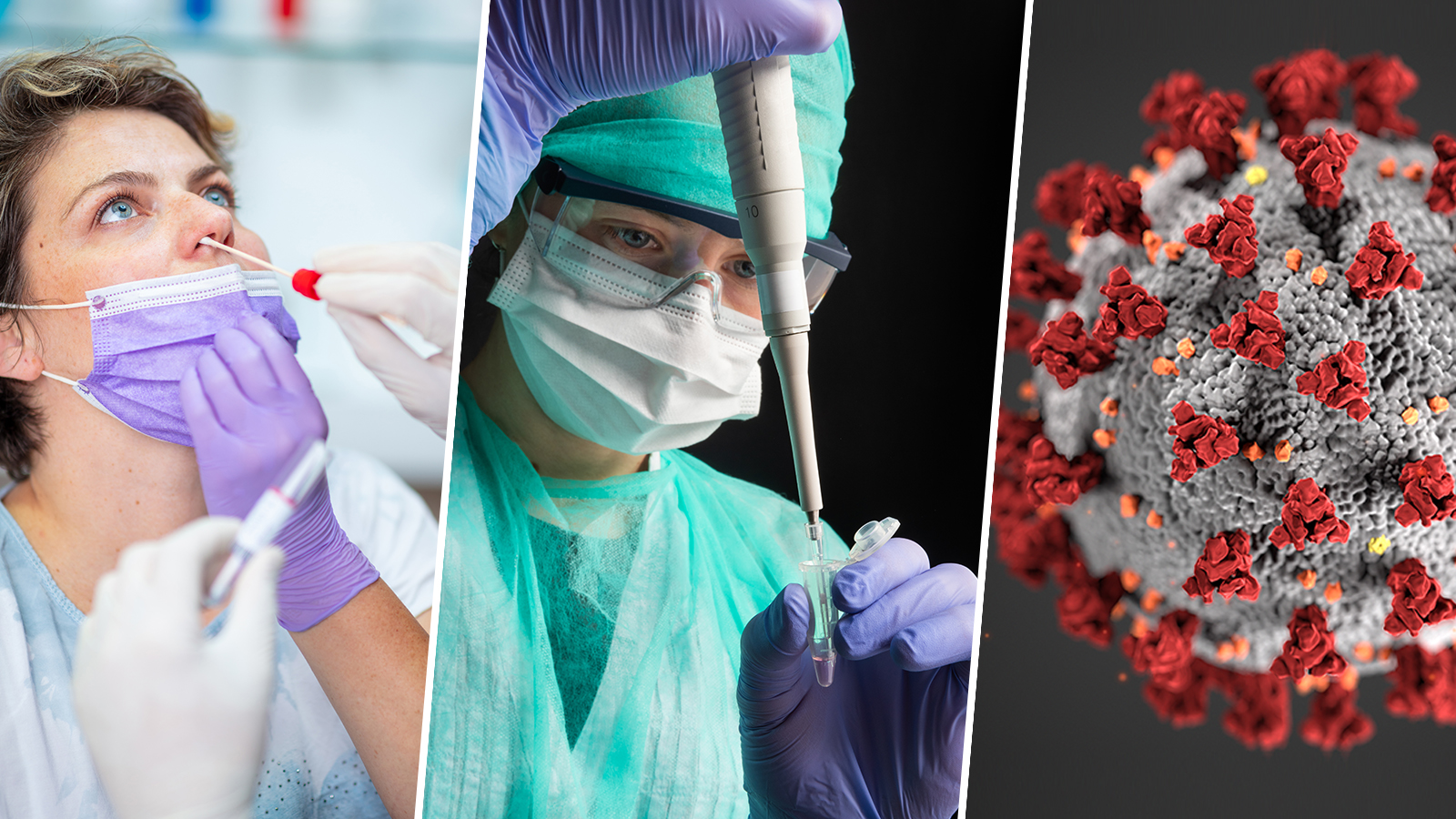
With COVID-19 still circulating worldwide, it’s important to know what to do if you’ve been around someone who tested positive. Many people feel confused or anxious after an exposure — wondering whether to isolate, get tested, or notify others.
So, what should you do if you’ve been exposed to someone who tested positive for COVID-19? This guide explains the steps recommended by health experts to protect yourself and those around you.
The first thing to understand is whether your exposure counts as “close contact.” According to the Centers for Disease Control and Prevention (CDC), a close contact is defined as:
If your exposure meets these criteria, you’re considered at risk and should take precautions immediately.
read about>>Is Bronchitis Contagious?
Even if you feel fine, it’s essential to watch for COVID-19 symptoms for the next 10 days after exposure. Common symptoms include:
If any of these symptoms develop, assume you may be infected and isolate from others right away.
If you were exposed, the CDC recommends getting a COVID-19 test at least 5 full days after your last exposure, even if you have no symptoms. Testing too early may produce a false negative result.
You can use at-home rapid tests or visit a nearby testing center for more accurate results.
After exposure, take extra care to protect others — even if you don’t feel sick.
Wear a mask: Especially around others indoors for 10 days after exposure.
Avoid close contact: Stay away from high-risk individuals such as the elderly or immunocompromised.
Improve ventilation: Keep windows open or use air filters in shared spaces.
Practice good hygiene: Wash your hands frequently and disinfect high-touch surfaces.
If possible, work or study from home during this period to reduce potential spread.
If you test positive for COVID-19, follow isolation guidelines:
If symptoms worsen or you have underlying health conditions, contact your healthcare provider.
If you test positive after exposure, it’s important to notify anyone you’ve been in close contact with in the past few days. This helps prevent further transmission and allows others to take the right precautions.
So, what should you do if you’ve been exposed to someone who tested positive for COVID-19?
In short — monitor for symptoms, get tested after 5 days, wear a mask, and avoid close contact for 10 days. If you test positive, isolate immediately and follow public health guidelines.
Taking these steps not only protects your health but also helps prevent spreading the virus to others.