Physical Address
304 North Cardinal St.
Dorchester Center, MA 02124
Physical Address
304 North Cardinal St.
Dorchester Center, MA 02124

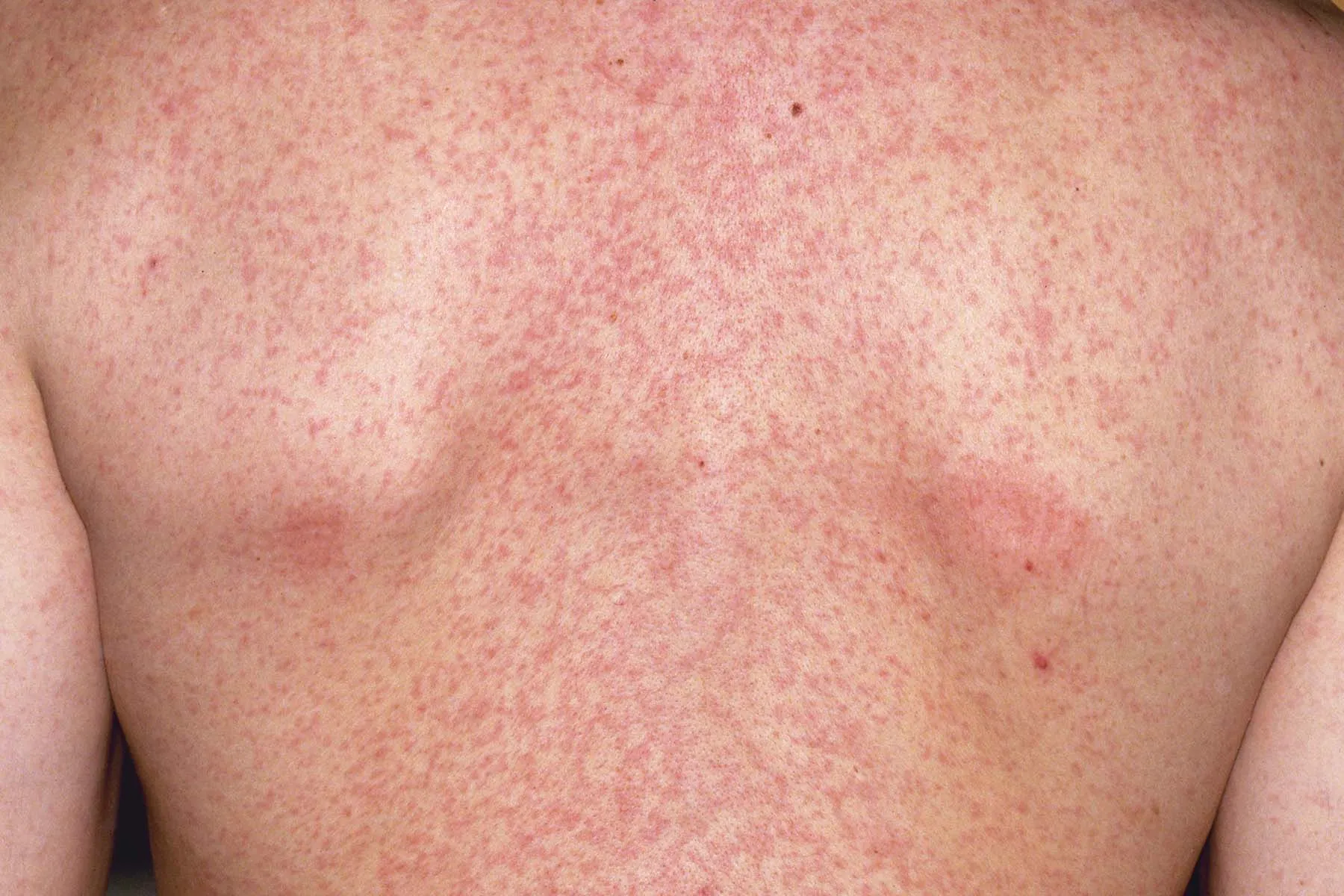
Rubella, also known as German measles, is a viral illness that can cause mild symptoms but serious complications during pregnancy. To check if someone is protected against the virus, doctors use a blood test called the Rubella IgG test. This test helps determine whether a person has developed immunity through infection or vaccination. Knowing your status helps prevent health risks, especially for women planning pregnancy.
The Rubella IgG antibody is part of the immune system’s defense mechanism. It appears in the blood after someone has had rubella or received the MMR vaccine. The presence of these antibodies shows that your body recognizes the virus and can fight it off if exposed again.
There are two types of antibodies that appear in rubella testing:
The test primarily measures IgG levels to see if protection is adequate.
This test is particularly valuable for women who are pregnant or planning to become pregnant. If rubella infection occurs during pregnancy, it can lead to congenital rubella syndrome (CRS), a condition that causes birth defects and developmental issues.
Doctors also recommend the test for:
Checking your antibody level ensures safety and helps prevent outbreaks in sensitive populations.
read about>>Roseola vs Measles Rash
The Rubella IgG test uses a simple blood sample. Results generally fall into three categories:
Typically, after vaccination, immunity develops within two to three weeks and can last for life.
read about>>Freakier Friday Reviews
If immunity is low, infection may occur when exposed to the virus. Symptoms include:
While symptoms are usually mild, the risks for unborn babies make prevention essential.
Doctors suggest testing before pregnancy, especially for women unsure about their vaccination status. It’s also advisable for healthcare professionals or anyone exposed to infectious diseases. If you travel often, particularly to areas where rubella is still present, testing helps ensure you’re protected.
The MMR vaccine (Measles, Mumps, Rubella) is the best defense. It’s typically given in two doses during childhood, offering long-lasting protection. Adults who missed vaccination can receive it later. Women should avoid pregnancy for four weeks after getting vaccinated to prevent complications.
The Rubella IgG test helps confirm immunity and protect against serious complications. By understanding your antibody status and staying up to date with vaccinations, you reduce health risks for yourself and your community. If your test shows no immunity, talk to your doctor about getting vaccinated to ensure lasting protection.