Physical Address
304 North Cardinal St.
Dorchester Center, MA 02124
Physical Address
304 North Cardinal St.
Dorchester Center, MA 02124

Thyroid Eye Disease (TED) is an autoimmune condition that affects the tissues around the eyes. It often appears in people with Graves’ disease, but it can also develop in people with other thyroid issues. Early signs can look mild, yet they can progress quickly. Knowing these warning signals helps you seek timely treatment and protect your vision.
The early phase of TED is active and inflammatory. Changes occur rapidly during this time. Quick action reduces long-term complications. Doctors can manage symptoms better when the disease is still developing. This makes understanding the first signs valuable for both health and comfort.
Read more >> ICD 10 Coronary Artery Disease
One of the first signs of TED is dryness in the eyes. The eyes may feel irritated, gritty, or sandy. This happens because the eyelids cannot close fully due to swelling. Many people confuse this with common dry eye syndrome. The difference appears when dryness continues despite using eye drops.
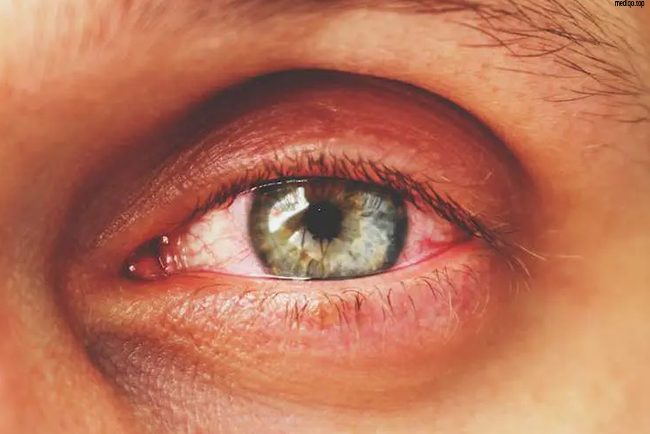
Redness is another early symptom. The tissues around the eyes may look inflamed. The eyelids may swell, giving the eyes a puffy appearance. This swelling results from immune cell activity in the eye muscles and soft tissues. The eyes often feel warm or tender during this phase.
Light sensitivity is also common in the early stages. Bright lights may feel harsh, and outdoor sunlight may cause discomfort. This sensitivity occurs because the eyes become exposed as the eyelids retract or fail to close fully. Many people report tearing and discomfort when facing direct light.
Eyelid retraction is one of the most recognizable early signs. The upper eyelids pull back, exposing more of the eye. This gives a wide-eyed or “staring” appearance. You may notice this change in photos long before you see it in the mirror. Eyelid retraction progresses quickly during the active phase.
Many people with TED feel pressure behind the eyes. This pressure can turn into pain, especially when moving the eyes. It results from swelling in the tissues and muscles surrounding the eyeball. Pain with eye movement is one of the earliest clues that the condition involves the muscle tissue.
Double vision can appear early, even if it is brief. Swollen eye muscles cannot move smoothly, so the eyes fall out of alignment. Some people notice double vision only when they look up or sideways. Blurriness may also occur due to corneal exposure or swelling. These vision changes signal the need for urgent medical attention.
Although bulging (proptosis) often appears later, mild bulging can start early. This occurs when swollen tissues push the eyes forward. Friends or family may notice this before you do. Early bulging often feels like eye pressure or dryness before the physical change becomes obvious.
A small number of people notice reduced color clarity at the beginning. Colors may look faded or washed out. This can indicate pressure on the optic nerve. Although rare at the earliest stage, this sign requires immediate evaluation because it affects vision permanently if ignored.
Any of these early signs should prompt a medical visit. TED progresses through an active phase and then a stable phase. Treatment works best during the active stage. A specialist can check thyroid levels, eye pressure, eyelid position, and optic nerve health. Early treatment protects vision and reduces discomfort.
Treatment focuses on reducing inflammation and protecting the eyes. Artificial tears, cool compresses, and sunglasses often help. Doctors may also adjust thyroid medications. Severe cases need targeted therapy such as steroids or biologic treatment. Lifestyle habits like quitting smoking can also improve outcomes.
Recognizing the first signs of Thyroid Eye Disease helps you take action early. Dryness, swelling, light sensitivity, eyelid retraction, pain, and double vision are the most common signs. Early diagnosis protects both comfort and long-term eye health. If you notice any symptoms, consult a healthcare professional right away.