Physical Address
304 North Cardinal St.
Dorchester Center, MA 02124
Physical Address
304 North Cardinal St.
Dorchester Center, MA 02124

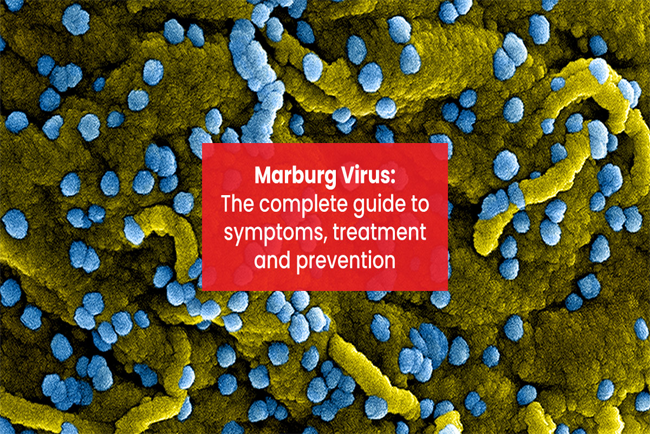
The Marburg virus is a rare but severe virus that causes Marburg virus disease (MVD), a type of viral hemorrhagic fever. It belongs to the same family as the virus responsible for Ebola virus disease, making it highly dangerous if not treated quickly.
Scientists first identified the Marburg virus in 1967 during outbreaks in laboratory workers in Europe. Since then, occasional outbreaks have occurred, mainly in parts of Africa. Although cases remain rare, the virus has a high fatality rate, so awareness is extremely important.
Symptoms of Marburg virus disease usually appear 2 to 21 days after exposure. At first, the symptoms may look like common viral infections. However, they can quickly become severe.
Therefore, early medical care is critical if someone shows symptoms after possible exposure.
Understanding how the Marburg virus spreads is essential for prevention. The virus mainly spreads through contact with infected animals or people.
Read More>>RSV (Respiratory Syncytial Virus)
In addition, crowded environments and poor sanitation can increase the risk of transmission.
The primary cause of Marburg virus disease is infection with the Marburg virus itself. However, certain risk factors increase the chances of exposure.
Because of these risks, awareness and protective measures are necessary, especially for healthcare workers.
Doctors diagnose the Marburg virus using specialized laboratory tests that detect viral genetic material. Early diagnosis significantly improves survival chances.
Currently, there is no specific antiviral treatment approved for Marburg virus disease. Instead, treatment focuses on supportive care.
Fortunately, research is ongoing to develop vaccines and targeted treatments.
Preventing infection is the most effective way to stay safe from the Marburg virus. Simple precautions can reduce risk significantly.
Moreover, public health awareness campaigns play a major role in controlling outbreaks.
Although outbreaks are rare, they can spread rapidly if not controlled. Several countries in Uganda, Angola, and Ghana have reported outbreaks in the past.
International health organizations continue monitoring the situation to prevent global spread. As a result, early reporting and isolation remain critical strategies.
The Marburg virus is a serious but preventable disease. By understanding its symptoms, transmission methods, and prevention strategies, individuals and communities can reduce their risk.
Most importantly, early detection and proper medical care save lives. Therefore, staying informed and practicing good hygiene are key steps toward protecting yourself and others.
Read More>>Baahubali: The Eternal War – Part 1 (2027)