Physical Address
304 North Cardinal St.
Dorchester Center, MA 02124
Physical Address
304 North Cardinal St.
Dorchester Center, MA 02124

Gestational diabetes is a condition that appears during pregnancy when blood sugar levels become higher than normal. It usually develops in the second or third trimester. Many women do not notice clear symptoms at first, so regular screening is important. However, the body can still show early warning signs that should not be ignored. Recognizing these signs early helps reduce risks for both the mother and baby. Proper awareness supports timely diagnosis and safe pregnancy management. Doctors usually monitor glucose levels to ensure both maternal and fetal health remain stable throughout pregnancy.
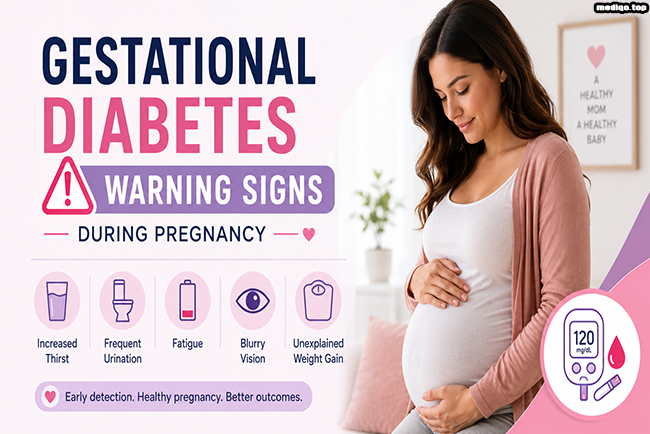
Some gestational diabetes warning signs during pregnancy can appear gradually. Increased thirst is one of the most common symptoms. Frequent urination may also occur more than usual, even during rest. Many women feel unusual tiredness that does not improve with sleep. Some experience blurred vision or mild headaches due to fluctuating blood sugar levels. Increased hunger, even after eating regular meals, may also be noticed. These signs can be mild, which makes them easy to overlook. However, consistent symptoms should always be checked by a healthcare provider for proper evaluation.
Certain conditions can raise the risk of developing gestational diabetes. Women with a family history of diabetes are more likely to experience it. Being overweight before pregnancy can also increase the risk. Age plays a role, especially for women over 25 or 30. A history of gestational diabetes in a previous pregnancy is another important factor. In some cases, hormonal changes in pregnancy can affect insulin function, which leads to high blood sugar. Knowing these risk factors helps expectant mothers stay alert and take preventive steps early.
If gestational diabetes is not managed properly, it can lead to complications. The baby may grow larger than average, which can make delivery more difficult. There may be a higher chance of requiring a cesarean section. Low blood sugar in newborns can also occur after birth. For the mother, untreated gestational diabetes may increase the risk of high blood pressure during pregnancy. It can also raise the chance of developing type 2 diabetes later in life. Early detection helps reduce these risks significantly and supports safer outcomes.
Read more >> How to Reduce Blood Sugar Quickly at Home Naturally and Safely
Pregnant women should attend all scheduled prenatal checkups. Doctors usually recommend a glucose screening test between 24 and 28 weeks of pregnancy. However, testing may be done earlier if risk factors are present. If symptoms like excessive thirst, fatigue, or frequent urination appear, medical advice should be taken without delay. Healthcare providers can confirm the condition through simple blood tests. Early consultation helps ensure proper monitoring and timely treatment. This approach protects both maternal health and fetal development throughout pregnancy.
A balanced lifestyle can support healthy blood sugar levels during pregnancy. Eating smaller, more frequent meals can help maintain stability. Including fiber-rich foods like vegetables and whole grains may improve glucose control. Light physical activity, as recommended by a doctor, can also be beneficial. Staying hydrated supports overall body function. Regular monitoring, if advised, helps track changes in blood sugar levels. Stress management is also important, as stress can affect hormonal balance. These habits can help reduce complications and support a healthier pregnancy journey.
Gestational diabetes is a manageable condition when detected early. Understanding the gestational diabetes warning signs during pregnancy allows expectant mothers to take timely action. Although symptoms may be mild, they should never be ignored. Regular prenatal care, proper testing, and a healthy lifestyle all play an important role in ensuring safety. Early awareness leads to better outcomes for both mother and baby, making pregnancy healthier and more secure.