Physical Address
304 North Cardinal St.
Dorchester Center, MA 02124
Physical Address
304 North Cardinal St.
Dorchester Center, MA 02124

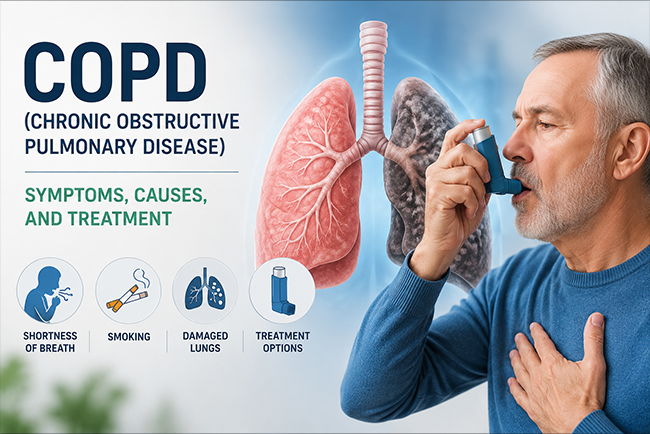
COPD (Chronic Obstructive Pulmonary Disease) is a long-term lung disease that makes breathing difficult. It mainly includes chronic bronchitis and emphysema, both of which damage the lungs and airways over time. COPD is a progressive disease, meaning it gradually worsens if not properly managed.
Millions of people around the world live with COPD. However, early diagnosis, lifestyle changes, and proper treatment can help improve quality of life and slow disease progression.
COPD symptoms often develop slowly and may become more noticeable over time. Common signs include:
In severe cases, people may also experience weight loss and swelling in the ankles or feet.
Read More>>Asthma: Causes, Symptoms, Treatment and Management Guide
The leading cause of COPD is long-term exposure to harmful irritants that damage the lungs. Smoking cigarettes is the most common risk factor. However, non-smokers can also develop COPD.
Other causes include:
People who smoke and are frequently exposed to polluted air have a much higher risk of developing COPD.
COPD causes inflammation in the airways and damages the tiny air sacs in the lungs. As a result, airflow becomes restricted, making it difficult to breathe normally.
The disease also traps air inside the lungs. Therefore, patients often feel breathless even while performing simple daily tasks.
Doctors diagnose COPD using several tests. The most common test is spirometry, which measures lung function and airflow limitation.
Additional tests may include:
Early diagnosis is essential because it allows treatment to begin before severe lung damage occurs.
Read More>>Alex Cooper Announces Pregnancy
Although there is no permanent cure for COPD, many treatments can help control symptoms and improve daily life.
Doctors may prescribe:
These medications help patients breathe more easily and reduce flare-ups.
Patients with low oxygen levels may require oxygen therapy. This treatment improves breathing and supports organ function.
Pulmonary rehabilitation combines exercise, education, and breathing techniques. Consequently, patients can improve stamina and lung efficiency.
Healthy habits play a major role in COPD management. Patients should:
In addition, annual flu shots and vaccinations can help prevent respiratory infections.
Yes, many COPD cases are preventable. Avoiding smoking is the most effective prevention method. Furthermore, reducing exposure to harmful fumes and maintaining good indoor air quality can lower the risk.
Workers in dusty or chemical-heavy environments should also wear protective masks and follow workplace safety guidelines.
Living with COPD can be challenging, but proper treatment and support make a significant difference. Patients who follow medical advice and maintain healthy routines often enjoy better breathing and improved daily functioning.
Support from family members, healthcare providers, and pulmonary rehabilitation programs can also help patients manage emotional stress and maintain a positive outlook.
COPD (Chronic Obstructive Pulmonary Disease) is a serious but manageable lung condition. Recognizing symptoms early and starting treatment promptly can slow disease progression and improve quality of life.
Most importantly, quitting smoking and maintaining a healthy lifestyle are key steps in preventing COPD and protecting long-term lung health.