Physical Address
304 North Cardinal St.
Dorchester Center, MA 02124
Physical Address
304 North Cardinal St.
Dorchester Center, MA 02124

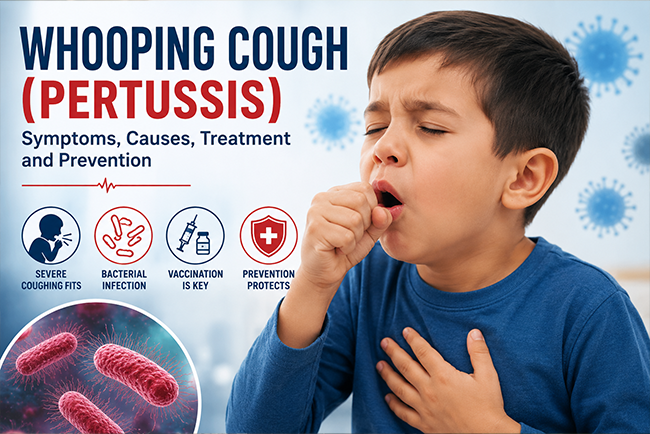
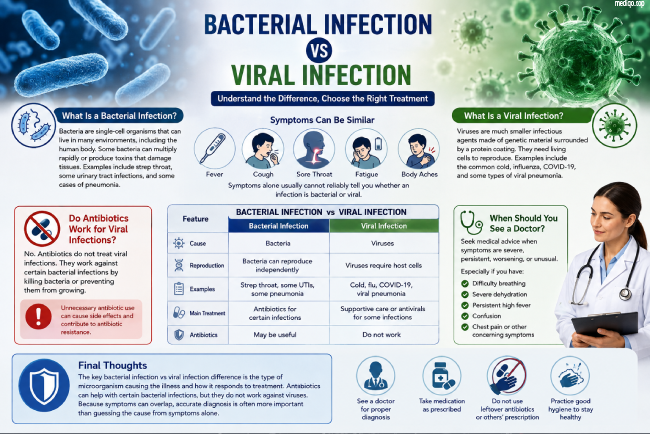
Whooping cough, also called pertussis, is a highly contagious bacterial infection that affects the respiratory system. It can cause severe, prolonged coughing and may become dangerous, especially in babies and young children. The infection is caused by Bordetella pertussis and spreads mainly through respiratory droplets when an infected person coughs or sneezes.
Whooping cough is a respiratory infection that often begins like a common cold. Early symptoms may include a runny nose, mild fever, and a mild cough. After several days, the cough can become intense and occur in repeated bursts.
Some people make a high-pitched “whooping” sound when breathing in after a coughing spell. However, this sound is not always present, particularly in adults and vaccinated people.
Symptoms usually develop within about 5 to 10 days after exposure, although they can sometimes take longer to appear.
Common symptoms include:
The cough can continue for several weeks or even months. Babies may have breathing pauses, known as apnea, rather than the classic whooping cough.
Read More>>Wildcards: Release Date, Cast, Story, and Everything You Need to Know
Pertussis spreads from person to person through respiratory droplets. Close contact with an infected person increases the risk of infection.
Because whooping cough is highly contagious, people with symptoms should seek medical advice promptly and follow guidance about limiting contact with others. Early treatment can also help reduce transmission.
Whooping cough can affect people of any age. However, babies younger than one year are at the greatest risk of severe illness and complications. Pregnant people and individuals who have close contact with young infants also need to take prevention seriously.
Possible complications include pneumonia, dehydration, breathing problems, and, rarely, seizures or brain-related complications.
Doctors generally treat pertussis with antibiotics. Treatment is most effective when started early, particularly during the first one to two weeks of illness. Early treatment may reduce the severity of the disease and help prevent the infection from spreading.
People with serious symptoms, especially babies with breathing difficulties or complications, may require hospital care. At home, adequate fluids, rest, and avoiding smoke and other airway irritants may help with recovery.
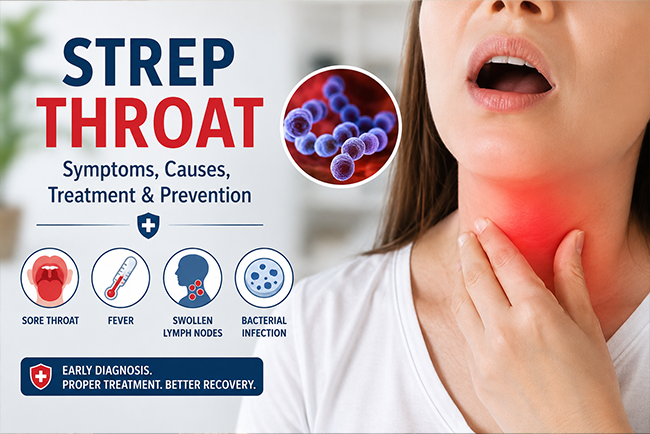
Read More>>Strep Throat: Symptoms, Causes, Treatment, and Prevention
Vaccination is the best way to prevent whooping cough. Pertussis-containing vaccines are given as part of routine childhood immunization programs, with additional doses or boosters recommended according to national schedules.
Pregnancy vaccination can also help protect newborn babies during the first months of life, when they are particularly vulnerable. Follow your local immunization schedule and ask a healthcare professional which vaccines are appropriate for you and your family.
Contact a healthcare professional if you or your child develops persistent or severe coughing, especially after exposure to someone with pertussis. Seek urgent medical care for breathing difficulty, pauses in breathing, bluish skin, severe weakness, or other signs of serious illness.
Whooping cough (pertussis) is a contagious respiratory infection that can cause weeks of severe coughing. Although anyone can become infected, babies are particularly vulnerable to serious complications. Early medical care, appropriate antibiotics, good hygiene, and timely vaccination are important ways to reduce the risks associated with pertussis.
Medical disclaimer: This article is for educational purposes and does not replace professional medical advice, diagnosis, or treatment.