Physical Address
304 North Cardinal St.
Dorchester Center, MA 02124
Physical Address
304 North Cardinal St.
Dorchester Center, MA 02124

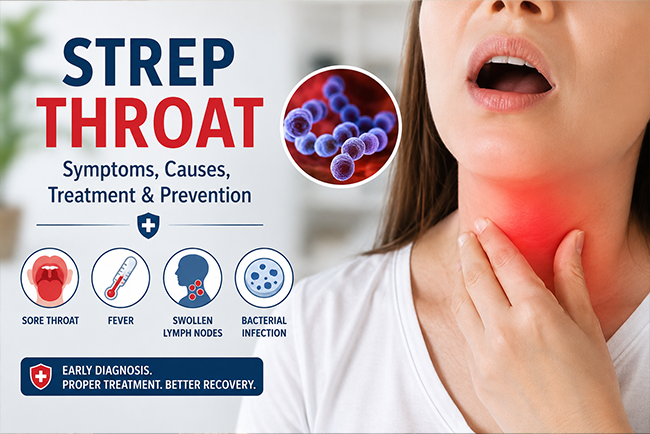
Strep throat is a common bacterial infection that mainly affects the throat and tonsils. It can cause sudden throat pain, difficulty swallowing, fever, and swollen lymph nodes. Unlike many sore throats caused by viruses, strep throat requires proper diagnosis and may need antibiotic treatment.
Understanding the symptoms and treatment options can help patients recover faster and reduce the risk of complications.
Strep throat is an infection caused by Group A Streptococcus bacteria, also known as Streptococcus pyogenes. The infection is especially common among school-aged children, although teenagers and adults can also develop it.
The bacteria can spread through respiratory droplets when an infected person coughs, sneezes, or shares contaminated utensils or personal items. Close contact with someone who has the infection can increase the risk of transmission.
Strep throat symptoms often appear suddenly. Common signs may include:
Children may also experience nausea, vomiting, or stomach pain.
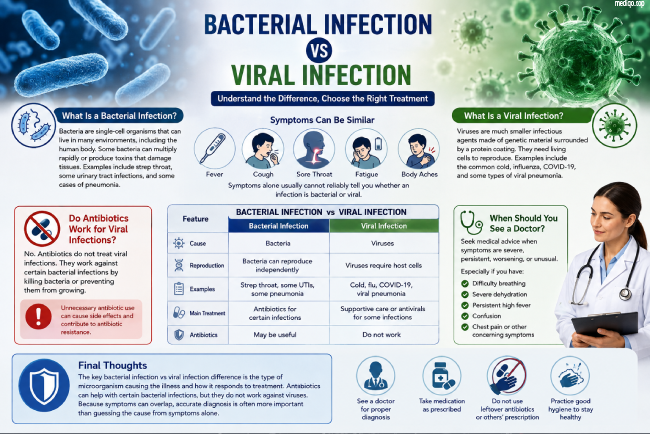
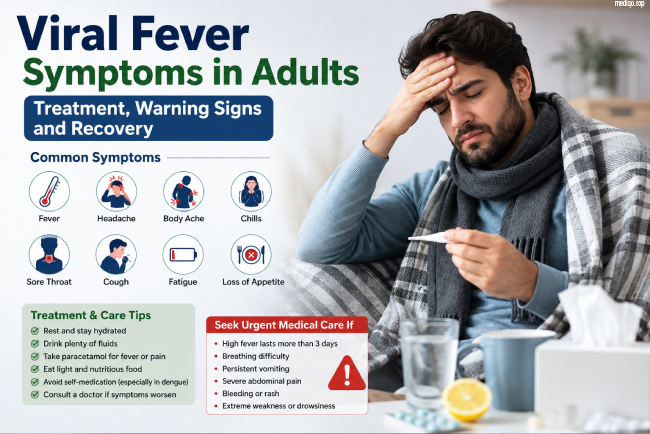
However, symptoms such as coughing, a runny nose, and hoarseness are more commonly associated with viral infections than with strep throat. Because different illnesses can cause similar symptoms, testing is important for an accurate diagnosis.
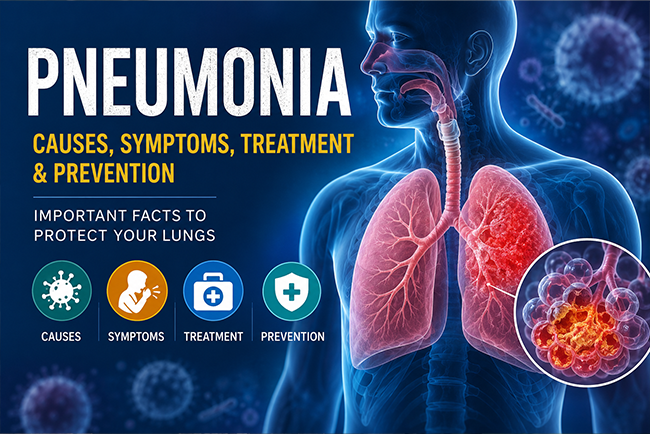
Read More>>Pneumonia: Causes, Symptoms, Treatment, and Prevention
A healthcare professional may examine the throat and check for swollen lymph nodes. However, symptoms alone cannot always confirm strep throat.
Doctors may use a rapid strep test to detect the bacteria quickly. In some cases, especially when results are negative but suspicion remains, a throat culture may be recommended for confirmation. Accurate testing helps avoid unnecessary antibiotic use and ensures that bacterial infections receive appropriate treatment.
When testing confirms strep throat, a healthcare professional may prescribe antibiotics. Taking antibiotics exactly as directed is important, even if symptoms begin to improve.
Treatment can help shorten the duration of illness, reduce the spread of infection, and lower the risk of certain complications. Rest, adequate fluids, and soothing foods or drinks may also help relieve discomfort.
Do not use leftover antibiotics or take antibiotics without medical advice. Antibiotics do not treat viral sore throats and unnecessary use can contribute to antibiotic resistance.
Read More>>Wildcards: Release Date, Cast, Story, and Everything You Need to Know
Good hygiene plays an important role in preventing strep throat. Consider these simple steps:
If someone in your household has strep throat, following proper hygiene practices can help reduce the chance of spreading the bacteria.
Seek medical advice if a severe sore throat is accompanied by fever, swollen neck glands, difficulty swallowing, or a persistent worsening condition. Prompt evaluation is especially important for children or individuals with symptoms that may suggest complications.
Strep throat is a bacterial throat infection that can cause significant discomfort but is usually manageable with proper diagnosis and treatment. Recognizing strep throat symptoms early and seeking medical guidance can support recovery and help prevent the infection from spreading.
Maintaining good hygiene, avoiding unnecessary antibiotic use, and following prescribed treatment instructions are important steps toward protecting your health and the health of others.