Physical Address
304 North Cardinal St.
Dorchester Center, MA 02124
Physical Address
304 North Cardinal St.
Dorchester Center, MA 02124
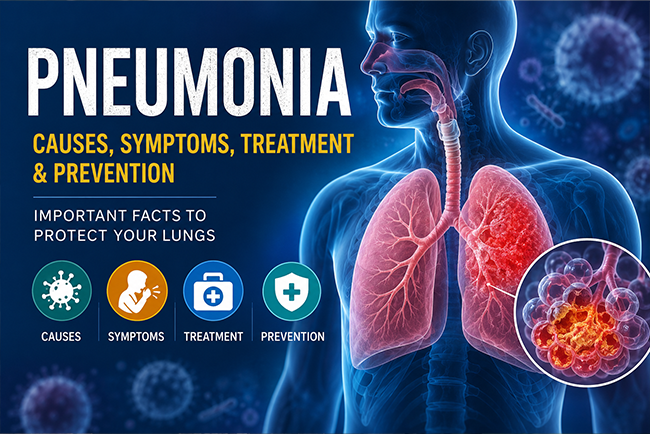
Pneumonia is a serious infection that affects the lungs and can make breathing difficult. It can affect people of all ages, but young children, older adults, and people with certain health conditions face a higher risk of severe illness. Pneumonia may be caused by bacteria, viruses, or fungi. Early diagnosis and proper treatment can help prevent complications.
Pneumonia occurs when infection causes inflammation in the lungs. The tiny air sacs, called alveoli, can fill with fluid or pus. This can reduce oxygen intake and make breathing painful or difficult. The severity of pneumonia can range from mild to life-threatening.
Several infectious organisms can cause pneumonia. Common causes include:
Pneumonia-causing germs can spread through respiratory droplets and close contact with infected people. However, the way pneumonia spreads can vary depending on the organism responsible.
Read More>>40 Years of Fuckin’ Up: NOFX’s Explosive Final Chapter Arrives in 2026
Pneumonia symptoms can develop suddenly or gradually. Common symptoms include:
Seek urgent medical care if breathing becomes severely difficult, symptoms rapidly worsen, or a person appears confused or extremely weak.
A healthcare professional may evaluate symptoms, breathing, and lung sounds. Depending on the situation, additional tests may be needed to determine the cause and severity. These can include chest imaging, blood tests, or tests of respiratory samples.
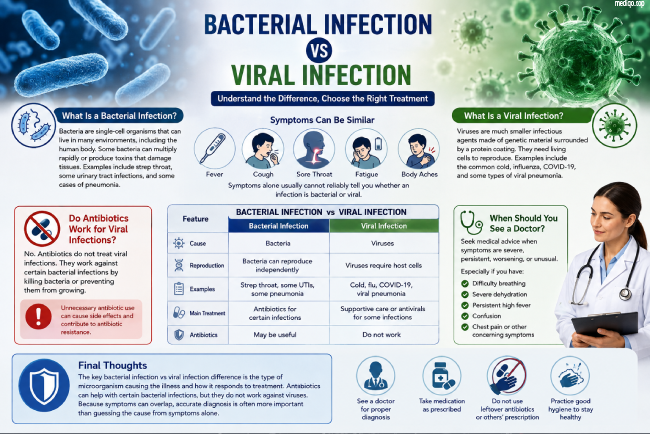
Because bacterial and viral pneumonia can have similar symptoms, professional assessment is important before choosing treatment.
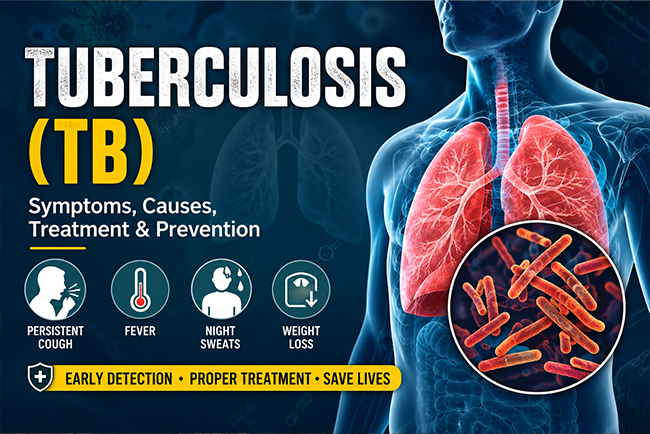
Read More>>Tuberculosis (TB): Symptoms, Causes, Treatment, and Prevention
Treatment depends on the cause and severity of the infection. Bacterial pneumonia may require antibiotics, while antibiotics do not treat viral infections. Severe pneumonia may require hospital care, oxygen, and closer monitoring.
Rest and adequate fluids can support recovery. Patients should take prescribed medicines exactly as directed and avoid using antibiotics without medical advice.
Several measures can lower the risk of pneumonia:
Pneumonia is a potentially serious lung infection, but prevention, early recognition, and appropriate treatment can improve outcomes. Understanding pneumonia symptoms, causes, treatment, and prevention can help people seek medical care when necessary. If you develop significant breathing problems, persistent fever, chest pain, or worsening symptoms, consult a healthcare professional promptly.
This article is for general educational purposes and should not replace professional medical diagnosis or treatment.