Physical Address
304 North Cardinal St.
Dorchester Center, MA 02124
Physical Address
304 North Cardinal St.
Dorchester Center, MA 02124

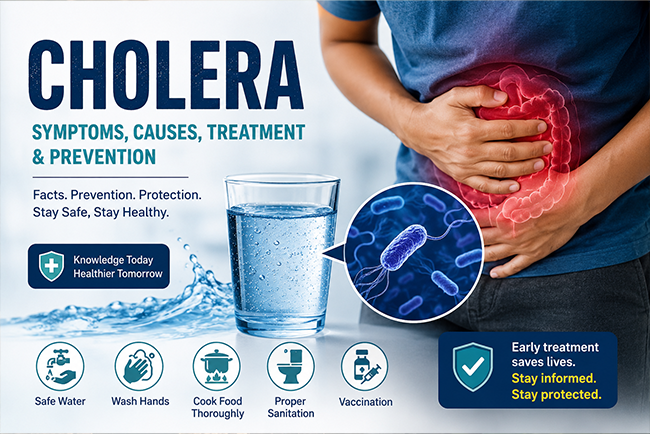
Cholera is a serious bacterial infection that causes sudden, severe watery diarrhea. It is caused by Vibrio cholerae, a bacterium that usually spreads through contaminated food or drinking water. Without rapid treatment, severe dehydration can become life-threatening within hours.
Cholera can affect both children and adults. Most infected people have mild or no symptoms. However, some develop severe diarrhea and vomiting that can cause dangerous fluid and salt loss.
Cholera occurs when a person consumes food or water contaminated with Vibrio cholerae. Poor sanitation, unsafe drinking water, and inadequate hygiene can increase the risk of infection.
Common sources include:
Cholera outbreaks are more likely in areas affected by poor sanitation, overcrowding, displacement, flooding, or limited access to clean water.
Read More>>Rise of the Footsoldier: Retribution – Release Date, Cast, Story and Everything You Need to Know
Symptoms of cholera can begin 12 hours to 5 days after exposure.
Common symptoms include:
Severe dehydration may cause sunken eyes, dizziness, reduced urination, confusion, or extreme weakness. Severe cases require urgent medical care because dehydration can progress rapidly.
The main treatment for cholera is rapid rehydration. Oral rehydration solution (ORS) replaces water and essential salts lost through diarrhea and vomiting. Most patients can be successfully treated when ORS is given promptly.
People with severe dehydration may need intravenous fluids. Doctors may also prescribe antibiotics for certain severe cases.
If someone has severe watery diarrhea, repeated vomiting, confusion, extreme weakness, or other signs of dehydration, seek medical care immediately.
Preventing cholera starts with safe water, sanitation, and good hygiene. WHO recommends several important measures:
Oral cholera vaccines can also help prevent and control cholera in populations at risk. Vaccination works best as part of a broader strategy that includes safe water, sanitation, hygiene, surveillance, and access to treatment.
Read More>>Whooping Cough (Pertussis): Symptoms, Causes, Treatment, and Prevention
Cholera can become dangerous quickly. Anyone experiencing severe watery diarrhea or signs of dehydration should start ORS and seek medical care as soon as possible. Early treatment greatly reduces the risk of serious complications and death.
Cholera is preventable and treatable, but it can become life-threatening when severe dehydration is not treated quickly. Safe drinking water, proper sanitation, handwashing, safe food practices, vaccination when recommended, and rapid access to ORS are key to preventing cholera and saving lives.
This article is for general health education and does not replace advice from a qualified healthcare professional.