Physical Address
304 North Cardinal St.
Dorchester Center, MA 02124
Physical Address
304 North Cardinal St.
Dorchester Center, MA 02124

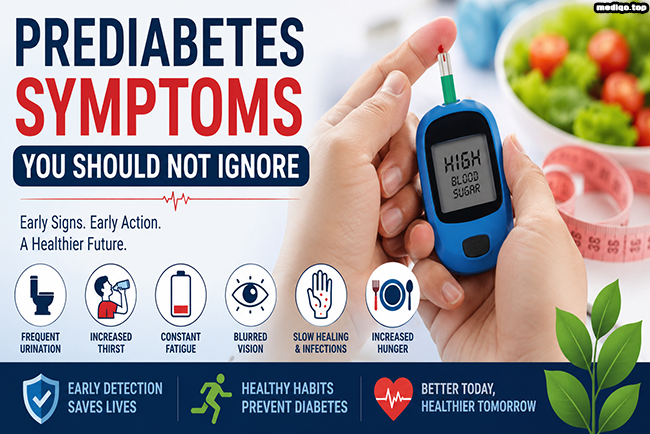
Prediabetes is a serious health condition that often develops without clear warning signs. Many people live with it for years before they notice any problem. During this stage, blood sugar levels stay higher than normal but do not reach the level of type 2 diabetes. Early detection can help prevent major health complications.
Understanding prediabetes symptoms can protect your health and improve your future. Recognizing the signs early allows you to make lifestyle changes before diabetes develops.
Prediabetes occurs when the body struggles to use insulin properly. Insulin helps move sugar from the bloodstream into cells for energy. When insulin resistance develops, sugar builds up in the blood.
This condition increases the risk of type 2 diabetes, heart disease, and stroke. However, prediabetes can often be reversed through healthy habits and medical guidance.
One common symptom of prediabetes is frequent urination. High blood sugar forces the kidneys to work harder to remove extra glucose from the body. As a result, you may need to urinate more often, especially at night.
Many people ignore this sign because it develops slowly. However, repeated bathroom visits may indicate rising blood sugar levels.
Excessive thirst often happens alongside frequent urination. When the body loses more fluids, dehydration can develop quickly. You may feel thirsty even after drinking enough water.
Persistent thirst should never be ignored. It can signal that your body is struggling to regulate blood sugar properly.
Read more >> Gestational Diabetes Warning Signs During Pregnancy
Fatigue is another common symptom of prediabetes. The body cannot use glucose efficiently when insulin resistance develops. Cells fail to receive enough energy, which can leave you feeling tired throughout the day.
Many people blame stress or lack of sleep for their exhaustion. However, ongoing fatigue may point to blood sugar imbalance.
High blood sugar may affect the tiny blood vessels in the eyes. This problem can cause blurry vision or difficulty focusing. Vision changes sometimes appear before diabetes is diagnosed.
Ignoring this symptom may increase the risk of future eye complications. Regular eye checkups can help detect early damage.
Some people with prediabetes develop dark, velvety skin patches. This condition is called acanthosis nigricans. These patches often appear around the neck, underarms, elbows, or knees.
The symptom usually indicates insulin resistance. It is more common in people who are overweight or have a family history of diabetes.
Prediabetes may cause constant hunger, even after eating meals. The body struggles to convert glucose into usable energy, which leads to repeated hunger signals.
Frequent cravings for sugary foods or snacks may also occur. Managing blood sugar through balanced meals can reduce these symptoms.
High blood sugar can weaken the body’s ability to heal wounds. Minor cuts or bruises may take longer to recover. Some people also experience more infections, especially skin or gum infections.
Poor circulation and inflammation contribute to these problems. Early treatment can help prevent complications.
Several factors increase the risk of developing prediabetes. People who are overweight or physically inactive face a higher risk. Family history also plays a major role.
Other risk factors include high blood pressure, poor diet, smoking, and lack of exercise. Adults over the age of 45 should monitor their blood sugar regularly.
Healthy lifestyle changes can often reverse prediabetes. Regular exercise improves insulin sensitivity and supports healthy blood sugar levels. Walking, cycling, and strength training are excellent choices.
A balanced diet also plays a critical role. Focus on vegetables, lean protein, whole grains, and healthy fats. Limit sugary drinks, processed snacks, and excessive carbohydrates.
Maintaining a healthy weight can greatly reduce diabetes risk. Even small weight loss may improve blood sugar control.
You should speak with a healthcare professional if you notice multiple prediabetes symptoms. Blood tests can confirm whether blood sugar levels are elevated.
Early diagnosis allows faster treatment and better prevention strategies. Ignoring the symptoms may increase the chance of developing type 2 diabetes.
Prediabetes often develops quietly, but the warning signs should never be ignored. Frequent urination, fatigue, blurred vision, and increased thirst may all indicate rising blood sugar levels. Recognizing these symptoms early can help you take control of your health.
Simple lifestyle changes can make a major difference. Healthy eating, regular exercise, and medical checkups can lower your risk and improve your overall well-being.