Physical Address
304 North Cardinal St.
Dorchester Center, MA 02124
Physical Address
304 North Cardinal St.
Dorchester Center, MA 02124

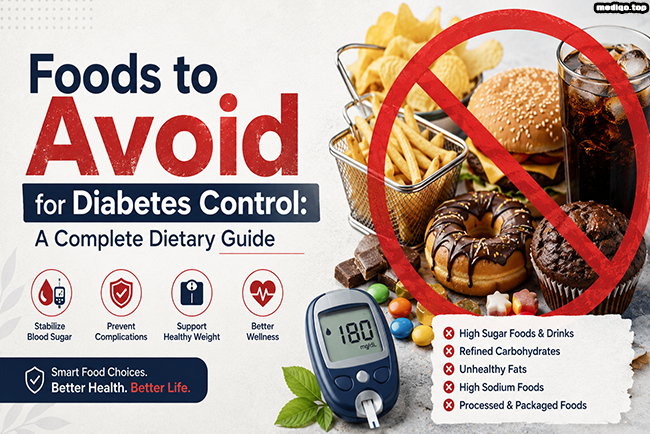
Diet plays a major role in managing blood sugar levels. People living with Type 2 Diabetes must pay close attention to daily food choices. Poor eating habits can cause sudden spikes in blood glucose and increase long-term complications. A balanced diet helps stabilize insulin response and supports better energy levels throughout the day. Foods that are high in sugar, unhealthy fats, and refined carbohydrates often worsen glucose control. Therefore, understanding what to avoid becomes just as important as knowing what to eat.
Sugary foods are among the biggest threats to blood sugar stability. Items like candy, pastries, cakes, and soft drinks contain high amounts of added sugar. These foods are quickly absorbed into the bloodstream and cause sharp glucose spikes. Fruit juices with added sugar also fall into this category. Even natural juices without fiber can raise blood sugar faster than whole fruits. Regular intake of these items can make diabetes harder to manage and increase insulin resistance over time. Water, unsweetened tea, or infused water should be preferred instead.
Refined carbohydrates are another major concern for diabetes control. White bread, white rice, and pasta made from refined flour are stripped of fiber during processing. Without fiber, the body digests them quickly, which leads to rapid blood sugar increases. These foods also provide less nutritional value compared to whole grains. Choosing whole wheat bread, brown rice, and oats can help slow digestion and improve glucose control. Portion control is also important, as even healthier carbs can affect blood sugar if eaten in excess.
Trans fats and ultra-processed foods can worsen insulin resistance and increase the risk of heart disease. Packaged snacks, fried fast foods, margarine, and baked goods often contain unhealthy fats. These foods not only raise blood sugar indirectly but also contribute to weight gain. Excess body weight makes diabetes management more difficult. Cooking at home using healthier oils like olive oil or mustard oil can reduce these risks. Freshly prepared meals give better control over ingredients and portion sizes.
High-sodium foods do not directly raise blood sugar, but they can harm overall health in people with diabetes. Canned soups, processed meats, instant noodles, and salty snacks contain excessive salt. High sodium intake increases blood pressure, which is a common complication in diabetes patients. Over time, this can strain the heart and kidneys. Reducing packaged food intake and choosing fresh vegetables, lean proteins, and homemade meals can improve both blood sugar and cardiovascular health.
Read more >> Prediabetes Symptoms You Should Not Ignore: Early Signs and Prevention Tips
Many people overlook hidden sugars in beverages. Flavored milk, energy drinks, and sweetened coffee or tea can contain large amounts of sugar. These drinks may seem harmless but can significantly increase daily sugar intake. Even some “diet” or “low-fat” products contain added sugars to improve taste. Reading nutrition labels helps identify hidden sources of sugar. Choosing unsweetened alternatives is a simple but powerful step toward better diabetes control.
Managing diet is essential for controlling diabetes effectively. Avoiding sugary foods, refined carbohydrates, unhealthy fats, and processed items can help maintain stable blood glucose levels. Small, consistent changes in eating habits can lead to significant health improvements over time. A mindful diet supports better energy, weight management, and overall well-being. Making informed food choices every day is one of the most effective strategies for living well with diabetes.