Physical Address
304 North Cardinal St.
Dorchester Center, MA 02124
Physical Address
304 North Cardinal St.
Dorchester Center, MA 02124

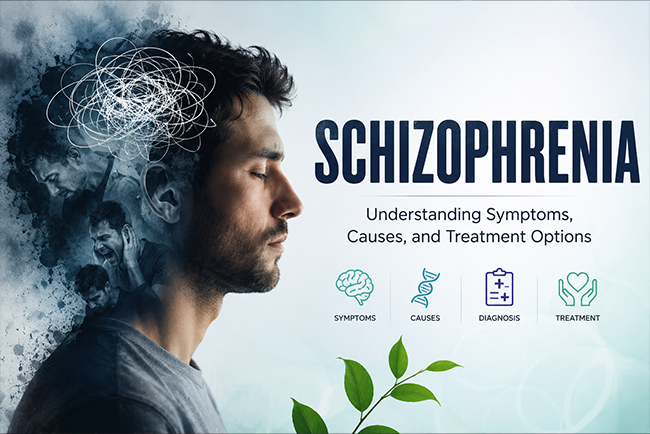
Schizophrenia is a serious mental health condition that affects how a person thinks, feels, and behaves. People living with schizophrenia may struggle to distinguish reality from imagination, which can impact daily life, relationships, and work. Although schizophrenia is often misunderstood, proper treatment and support can help individuals lead meaningful and productive lives.
In this article, we will explore the symptoms, causes, diagnosis, and treatment options for schizophrenia.
Schizophrenia is a chronic brain disorder that usually develops in late adolescence or early adulthood. It affects a person’s ability to process thoughts, emotions, and perceptions clearly. The condition can vary from mild to severe depending on the individual.
According to mental health experts, schizophrenia affects millions of people worldwide and requires long-term medical and psychological care.
Read More>>Spirit (2027) Movie
The symptoms of schizophrenia are generally divided into three categories:
These symptoms involve changes in behavior or thinking patterns, including:
Negative symptoms reduce normal emotional and social functioning, such as:
These symptoms affect memory and concentration, including:
Researchers believe schizophrenia develops from a combination of genetic, biological, and environmental factors. Some common risk factors include:
While the exact cause remains unknown, early detection can significantly improve treatment outcomes.
Read More>>Bipolar Disorder: Symptoms, Causes, and Treatment Guide
Diagnosing schizophrenia involves medical evaluations, mental health assessments, and observation of symptoms over time. Doctors may also perform tests to rule out other medical conditions or substance-related issues.
A mental health professional typically diagnoses schizophrenia if symptoms persist for at least six months and interfere with daily functioning.
Although schizophrenia has no permanent cure, several treatments can help manage symptoms effectively.
Antipsychotic medications are commonly prescribed to reduce hallucinations, delusions, and confusion.
Psychotherapy, cognitive behavioral therapy (CBT), and family counseling can improve communication and coping skills.
Healthy routines, regular sleep, stress management, and community support play an important role in recovery.
Vocational training and social skills programs help individuals regain independence and confidence.
Living with schizophrenia can be challenging, but many individuals successfully manage the condition through treatment and support. Family understanding, social acceptance, and professional care are essential for improving mental well-being.
Raising awareness about schizophrenia also helps reduce stigma and encourages people to seek help without fear or judgment.
Schizophrenia is a complex mental health disorder that affects thoughts, emotions, and behavior. Understanding its symptoms, causes, and treatment options is important for early intervention and better quality of life. With proper medical care, therapy, and emotional support, people with schizophrenia can lead stable and fulfilling lives.