Physical Address
304 North Cardinal St.
Dorchester Center, MA 02124
Physical Address
304 North Cardinal St.
Dorchester Center, MA 02124

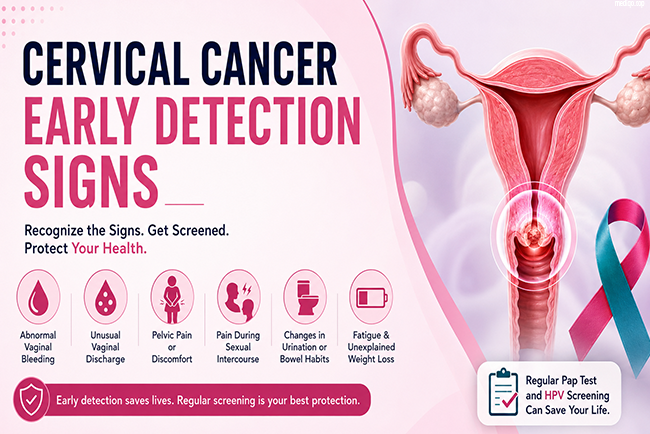
Cervical cancer remains one of the most preventable cancers among women. Early detection plays a critical role in successful treatment and improved survival rates. Many women experience warning signs before the disease reaches an advanced stage. Recognizing these symptoms and seeking medical attention promptly can make a significant difference. Understanding cervical cancer early detection signs helps women take proactive steps toward protecting their health.
Cervical cancer develops in the cells of the cervix, which connects the uterus to the vagina. Most cases are linked to persistent infection with high-risk types of the Human Papillomavirus (HPV). The disease often develops slowly over several years. During its early stages, cervical cancer may not cause noticeable symptoms. Regular screening remains essential because it can identify abnormal cell changes before cancer develops.
One of the most common cervical cancer early detection signs is unusual vaginal bleeding. Women may notice bleeding between menstrual periods or after menopause. Some may experience bleeding after sexual intercourse. These changes should never be ignored, especially when they occur repeatedly. Although abnormal bleeding can result from other conditions, a healthcare provider should evaluate it promptly.
Changes in vaginal discharge can signal potential cervical abnormalities. Women with early cervical cancer may notice discharge that appears watery, thick, or blood-tinged. The discharge may also have an unpleasant odor. Persistent changes that differ from a woman’s normal pattern require medical evaluation. Early diagnosis can help identify the underlying cause and prevent complications.
Pelvic pain can develop as cervical cancer progresses. Some women experience persistent discomfort in the lower abdomen or pelvic region. The pain may occur even when they are not menstruating. Although pelvic pain has many possible causes, ongoing discomfort should not be overlooked. A thorough medical examination can help determine the reason behind the symptoms.
Pain during sexual activity, also known as dyspareunia, may indicate cervical abnormalities. This symptom often occurs when cancerous changes affect cervical tissues. Women who experience new or worsening pain during intercourse should discuss the issue with their healthcare provider. Early assessment can identify whether cervical cancer or another condition is responsible.
Read more >> Skin Cancer Warning Signs on the Face You Should Know
In some cases, cervical cancer may affect nearby organs. Women may notice increased urinary frequency, discomfort while urinating, or difficulty emptying the bladder. Changes in bowel habits can also occur. Although these symptoms usually appear in more advanced stages, they should still prompt medical evaluation when persistent.
Read more >> Sleep Returns With New Song and 2026 Tour
Cancer can affect the body’s overall energy levels. Persistent fatigue that does not improve with rest may be a warning sign. Some women also experience unexplained weight loss without changes in diet or exercise. While these symptoms are not specific to cervical cancer, they often warrant further investigation when combined with other warning signs.
Regular cervical screening remains the most effective method for early detection. Pap tests can identify abnormal cervical cells before they become cancerous. HPV testing can detect high-risk virus strains associated with cervical cancer. Healthcare professionals recommend routine screening based on age and individual risk factors. Following screening guidelines significantly reduces the risk of advanced disease.
Several preventive measures can lower cervical cancer risk. HPV vaccination provides strong protection against the most dangerous virus types. Practicing safe sexual behaviors and avoiding smoking can further reduce risk. Maintaining regular gynecological checkups allows healthcare providers to detect potential problems early. Prevention and awareness work together to protect long-term health.
Recognizing cervical cancer early detection signs can lead to faster diagnosis and more effective treatment. Symptoms such as abnormal bleeding, unusual discharge, pelvic pain, and discomfort during intercourse should never be ignored. Regular Pap tests, HPV screening, and preventive healthcare remain the best strategies for reducing cervical cancer risk. Women who stay informed and proactive about their health have the greatest opportunity for early detection and successful outcomes.