Physical Address
304 North Cardinal St.
Dorchester Center, MA 02124
Physical Address
304 North Cardinal St.
Dorchester Center, MA 02124

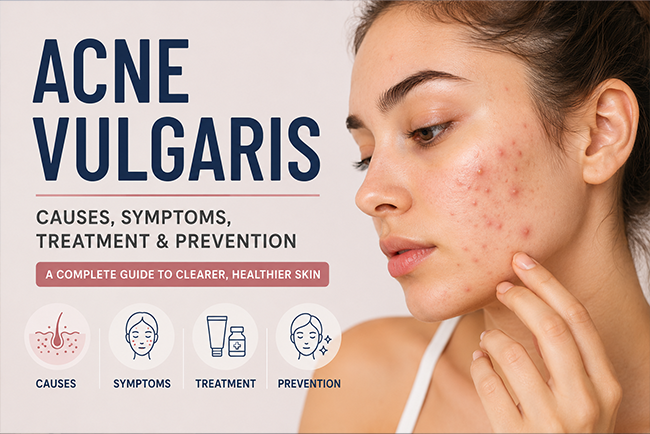
Acne vulgaris is one of the most common skin conditions worldwide. It affects millions of teenagers and adults, causing pimples, blackheads, whiteheads, and sometimes painful cysts. While acne vulgaris is not usually a serious health concern, it can impact self-confidence and leave permanent scars if left untreated.
Understanding the causes and treatment options for acne vulgaris can help you manage breakouts effectively and maintain healthier skin.
Acne vulgaris develops when hair follicles become clogged with oil (sebum), dead skin cells, and bacteria. Several factors contribute to this condition, including:
Overactive sebaceous glands produce too much oil, increasing the risk of clogged pores.
Hormonal fluctuations during puberty, pregnancy, or menstruation can trigger acne vulgaris.
The bacteria Cutibacterium acnes can multiply inside clogged pores, leading to inflammation and pimples.
If your parents had acne vulgaris, you may be more likely to develop it.
Stress, poor skincare habits, and certain cosmetic products may worsen acne symptoms.
The symptoms of acne vulgaris vary from mild to severe. Common signs include:
These symptoms commonly appear on the face, chest, shoulders, and back.
Read More>>Migraine: Causes, Symptoms, Treatment
Treatment depends on the severity of acne vulgaris. Mild cases may improve with over-the-counter products, while severe acne may require prescription medication.
Common topical treatments include:
These products help reduce inflammation, unclog pores, and prevent new breakouts.
For moderate to severe acne vulgaris, a dermatologist may recommend:
Professional medical guidance is important when using prescription medications.
Although acne vulgaris cannot always be prevented, the following tips can reduce the frequency and severity of breakouts:
Wash your face twice daily with a mild cleanser. Avoid harsh scrubbing, which can irritate the skin.
Choose skincare and makeup products labeled “non-comedogenic” to avoid clogged pores.
Touching or picking pimples can spread bacteria and increase the risk of scarring.
A balanced diet, regular exercise, proper hydration, and stress management may support healthier skin.
If over-the-counter treatments do not improve your acne vulgaris, consult a dermatologist. Professional treatment can help prevent complications such as permanent scarring and skin discoloration.
Early intervention often leads to better results and improved skin health.
Acne vulgaris is a common but manageable skin condition. Understanding its causes, symptoms, and treatment options is the first step toward clearer skin. By following a proper skincare routine and seeking professional help when necessary, you can effectively control acne vulgaris and reduce future breakouts.
With consistent care and the right treatment plan, healthier and more confident skin is achievable.
Read More>>Dear You (2026): Release Date, Cast, Story