Physical Address
304 North Cardinal St.
Dorchester Center, MA 02124
Physical Address
304 North Cardinal St.
Dorchester Center, MA 02124

Cancer screening plays a vital role in modern healthcare. Many cancers develop silently and cause no symptoms during the early stages. Screening tests help doctors detect cancer before it spreads. Early detection often leads to more treatment options and better outcomes.
Many people wait until symptoms appear before seeking medical attention. However, cancer screening focuses on finding disease before symptoms develop. This proactive approach can save lives and reduce the burden of advanced cancer treatment.
A cancer screening test checks for cancer in people who do not have symptoms. These tests look for early signs of disease or abnormal changes that may become cancer later.
Common screening methods include blood tests, imaging scans, physical examinations, and laboratory analysis of tissue samples. Not every cancer has a recommended screening test. Healthcare experts recommend screening only when research shows clear benefits.
The right time to begin screening depends on age, gender, family history, and personal risk factors.
Most adults should start discussing cancer screening with their healthcare provider by age 40. Some screenings begin earlier, while others start later depending on individual circumstances.
People with a strong family history of cancer may need earlier and more frequent testing. Those with average risk can usually follow standard screening guidelines.
Read more >> Brain Tumor Early Warning Signs You Should Know
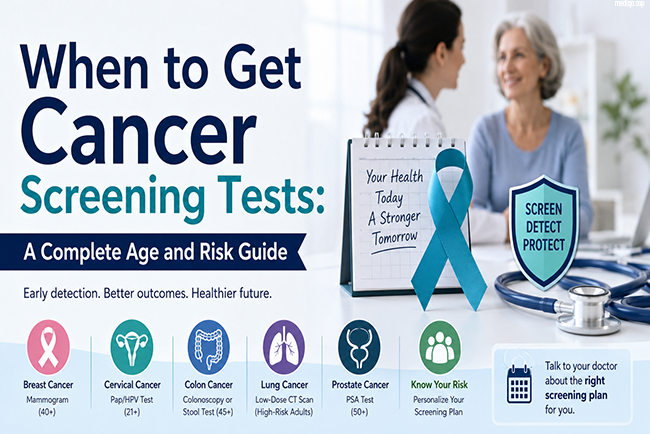
Breast cancer remains one of the most common cancers among women worldwide. Mammograms help detect tumors before they become noticeable.
Women at average risk often begin regular mammogram screening between ages 40 and 50. Many medical organizations recommend continuing screenings every one to two years through later adulthood.
Women with a family history of breast cancer or known genetic mutations may need earlier screening. A healthcare provider can help determine the most appropriate schedule.
Cervical cancer screening helps identify abnormal cells before they become cancerous. Screening usually involves a Pap test, HPV test, or both.
Women generally begin cervical cancer screening at age 21. Screening intervals vary according to age and test type. Regular testing remains important through middle age and beyond.
Vaccination against HPV reduces risk, but it does not eliminate the need for recommended screenings.
Read more >> Hold the Fort (2026): A Wild Horror-Comedy Battle
Colorectal cancer often develops from precancerous polyps. Screening can identify and remove these growths before cancer forms.
Many health organizations now recommend starting colorectal cancer screening at age 45 for average-risk adults. Several screening options are available, including stool-based tests and colonoscopy.
People with inflammatory bowel disease, a family history of colorectal cancer, or certain genetic conditions may need earlier screening.
Lung cancer screening is not recommended for everyone. It primarily benefits people with a significant smoking history.
Low-dose CT scans may help detect lung cancer early in adults who meet specific age and smoking criteria. Former smokers can also qualify depending on how recently they quit.
Individuals should discuss their smoking history with a healthcare provider to determine eligibility.
Prostate cancer screening usually involves a prostate-specific antigen (PSA) blood test. Screening decisions often depend on age, overall health, and personal preferences.
Men should discuss the potential benefits and limitations of PSA testing with their doctor, especially after age 50. Men with higher risk factors may benefit from earlier conversations.
Shared decision-making helps ensure that screening aligns with individual health goals.
Some people need cancer screening before the standard recommended age. Important risk factors include:
A personalized screening plan often provides the best protection for high-risk individuals.
Cancer screening recommendations continue to evolve as new research becomes available. No single schedule fits everyone. Age, lifestyle, medical history, and family history all influence screening decisions.
The best approach is to discuss screening with a qualified healthcare provider. Together, you can create a screening plan tailored to your unique risk profile. Early detection remains one of the most powerful tools in the fight against cancer.
Knowing when to get screening can make a significant difference in long-term health. Screening tests help identify cancer at its earliest and most treatable stages. Following age-appropriate guidelines and understanding personal risk factors can improve outcomes and support a healthier future. Regular discussions with your healthcare provider ensure that you receive the right screenings at the right time.