Physical Address
304 North Cardinal St.
Dorchester Center, MA 02124
Physical Address
304 North Cardinal St.
Dorchester Center, MA 02124

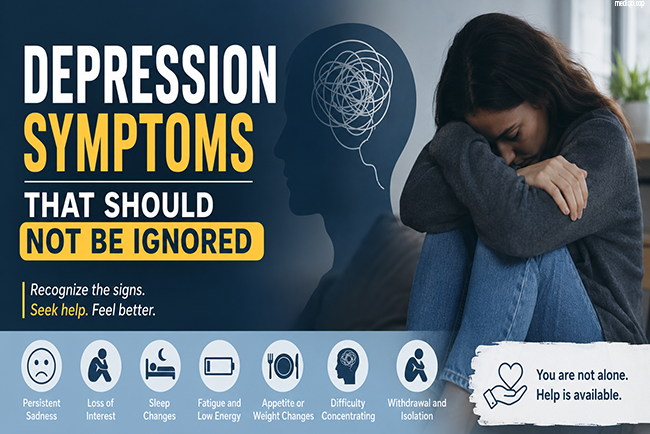
Depression is more than feeling sad for a few days. It is a serious mental health condition that affects emotions, thoughts, behavior, and physical well-being. Millions of people experience depression every year, yet many fail to recognize its early symptoms. Ignoring these warning signs can lead to worsening mental and physical health. Understanding the symptoms of depression can help individuals seek support before the condition becomes severe.
One of the most common symptoms of depression is a prolonged feeling of sadness, emptiness, or hopelessness. Everyone feels down occasionally, but depression causes these emotions to persist for weeks or even months. Individuals may struggle to find joy in everyday activities and often feel emotionally drained without a clear reason. This ongoing sadness can interfere with work, relationships, and daily responsibilities.
A significant warning sign of depression is the loss of interest in activities that once brought happiness. Hobbies, social events, sports, and family gatherings may no longer feel enjoyable. This symptom, known as anhedonia, often causes people to withdraw from their usual routines. When someone consistently loses motivation for activities they previously loved, it may indicate underlying depression.
Depression frequently disrupts normal sleep habits. Some people experience insomnia and struggle to fall asleep or stay asleep throughout the night. Others may sleep excessively and still feel tired during the day. Poor sleep quality can worsen mood, concentration, and overall health. Persistent sleep disturbances should never be ignored, especially when accompanied by other depressive symptoms.
Read more >> Early Signs of Anxiety Disorder in Teens Explained
Feeling tired after a busy day is normal. However, depression-related fatigue often remains even after adequate rest. Simple tasks such as getting out of bed, preparing meals, or completing household chores may feel overwhelming. This constant lack of energy can affect productivity and make daily responsibilities difficult to manage.
Depression can significantly impact eating habits. Some individuals lose interest in food and experience unintended weight loss. Others may eat more frequently, especially comfort foods, leading to weight gain. Sudden changes in appetite or body weight without an obvious cause may signal an underlying mental health concern.
Depression affects cognitive function as well as emotions. People may find it difficult to focus on conversations, remember information, or make decisions. Tasks that once seemed simple may require much more effort. Students may notice declining academic performance, while professionals may struggle with workplace productivity. Persistent concentration problems deserve careful attention.
Many people associate depression only with sadness, but irritability is another common symptom. Individuals may become frustrated easily, react strongly to minor problems, or feel emotionally overwhelmed. Teenagers and young adults often display depression through anger or irritability rather than obvious sadness. Recognizing these emotional changes can help identify depression early.
Depression often causes people to distance themselves from family, friends, and social activities. They may avoid phone calls, decline invitations, or spend long periods alone. Isolation can deepen feelings of loneliness and make recovery more challenging. If someone consistently withdraws from meaningful relationships, it may be a sign that they need support.
People with depression frequently experience negative self-perception. They may feel like a burden to others or believe they are failing in life despite evidence to the contrary. Excessive guilt over minor mistakes is also common. These harmful thought patterns can damage self-esteem and contribute to worsening depression if left untreated.
Depression can produce physical symptoms that many people overlook. Frequent headaches, digestive issues, muscle pain, and unexplained aches may occur even when medical tests show no underlying condition. Mental health and physical health are closely connected, making these symptoms important warning signs.
Recognizing depression symptoms early can make treatment more effective. If symptoms persist for more than two weeks and interfere with daily life, seeking professional help is strongly recommended. Mental health professionals can provide accurate diagnosis, counseling, and treatment options tailored to individual needs. Early intervention often leads to better outcomes and improved quality of life.
Depression is a treatable condition, but many people ignore its warning signs until symptoms become severe. Persistent sadness, loss of interest, sleep problems, fatigue, appetite changes, concentration difficulties, and social withdrawal should never be dismissed. Paying attention to these symptoms and seeking support when needed can help individuals regain control of their mental health and lead healthier, more fulfilling lives.