Physical Address
304 North Cardinal St.
Dorchester Center, MA 02124
Physical Address
304 North Cardinal St.
Dorchester Center, MA 02124

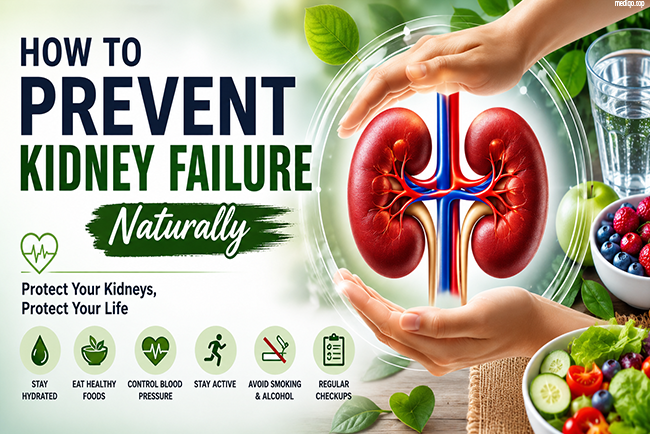
Kidneys perform many essential functions that keep your body healthy. They remove waste products, balance fluids, regulate blood pressure, and support red blood cell production. When kidney function declines over time, harmful waste can build up in the body and lead to serious health problems. The good news is that many cases of chronic kidney disease can be delayed or even prevented through healthy lifestyle choices. Learning how to prevent kidney failure naturally can help protect your kidneys and improve your overall well-being.
Healthy kidneys filter nearly 50 gallons of blood every day. They maintain the right balance of minerals and electrolytes while removing toxins through urine. Damage often develops slowly and may not cause symptoms until significant kidney function has been lost. Because of this, prevention should begin long before any signs of kidney disease appear.
People with diabetes, high blood pressure, obesity, or a family history of kidney disease face a greater risk. However, everyone can benefit from habits that support long-term kidney health.
Drinking enough water is one of the easiest natural ways to support kidney function. Proper hydration helps the kidneys flush waste products and reduces the chance of kidney stones.
Most healthy adults should drink enough fluids to keep their urine light yellow. Water needs vary depending on climate, activity level, and health conditions. Drinking excessive amounts of water is unnecessary, especially for people with advanced kidney disease, so balance is important.
Read more >> Kidney Stone Pain Symptoms Location: Signs and Relief
A nutritious diet is one of the strongest defenses against kidney damage. Focus on whole, minimally processed foods that provide vitamins, minerals, and fiber.
Choose foods such as:
Reduce processed foods because they often contain excessive sodium, unhealthy fats, and added sugars. Lower sodium intake can help control blood pressure, which protects kidney function over time.
High blood pressure is one of the leading causes of kidney failure. Elevated pressure damages the tiny blood vessels inside the kidneys, making it harder for them to filter blood efficiently.
Maintain healthy blood pressure by:
Regular blood pressure monitoring helps detect problems early.
Diabetes is another major cause of kidney disease. High blood sugar damages the kidney’s filtering units over time.
Eat balanced meals, stay physically active, monitor blood glucose, and follow your treatment plan if you have diabetes. Even small improvements in blood sugar control can significantly reduce the risk of kidney complications.
Regular physical activity supports heart health, improves blood circulation, and reduces the risk of obesity, diabetes, and hypertension.
Aim for at least 150 minutes of moderate exercise each week. Walking, cycling, swimming, and strength training are excellent choices. Maintaining a healthy body weight also reduces stress on the kidneys and lowers inflammation throughout the body.
Smoking narrows blood vessels and reduces blood flow to the kidneys. It also increases the risk of high blood pressure and kidney cancer.
Excessive alcohol consumption may contribute to dehydration and high blood pressure. Limiting alcohol and avoiding tobacco products can greatly improve kidney and cardiovascular health.
Frequent use of certain pain relievers, especially nonsteroidal anti-inflammatory drugs (NSAIDs), may damage the kidneys when taken regularly or in high doses.
Always follow dosing instructions and consult a healthcare professional before using medications for extended periods. Inform your doctor about all prescription drugs, supplements, and herbal products you take.
Routine health screenings help identify kidney disease before symptoms develop. Blood tests and urine tests can detect early changes in kidney function.
If you have diabetes, high blood pressure, heart disease, or a family history of kidney disease, ask your healthcare provider about regular kidney screening. Early detection allows treatment to begin before significant damage occurs.
Certain foods provide nutrients that support overall health while reducing inflammation.
Some kidney-friendly choices include:
These foods should be included as part of a balanced diet rather than viewed as cures for kidney disease.
Understanding how to prevent kidney failure naturally starts with making healthy choices every day. Staying hydrated, eating a balanced diet, exercising regularly, controlling blood pressure and blood sugar, avoiding smoking, and scheduling routine health checkups can greatly reduce your risk of kidney disease. While no natural method guarantees complete prevention, these evidence-based habits provide strong protection for your kidneys and support lifelong health. Start today, because healthy kidneys play a vital role in maintaining your quality of life.