Physical Address
304 North Cardinal St.
Dorchester Center, MA 02124
Physical Address
304 North Cardinal St.
Dorchester Center, MA 02124

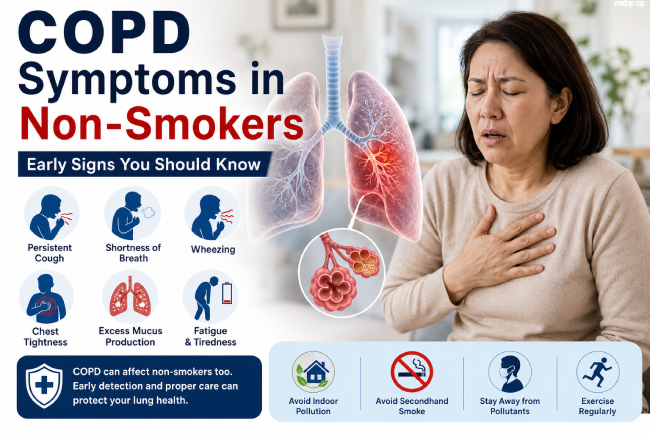
Many people believe chronic obstructive pulmonary disease (COPD) affects only smokers. However, this common assumption is not true. Millions of people who have never smoked develop COPD due to other environmental and medical factors. Recognizing COPD symptoms in non-smokers can lead to earlier diagnosis and better treatment outcomes. Since symptoms often develop slowly, they may be mistaken for aging, allergies, or asthma. Understanding these warning signs can help protect long-term lung health.
COPD is a chronic lung disease that blocks airflow and makes breathing difficult. It includes two major conditions: chronic bronchitis and emphysema. The disease usually worsens over time, but proper treatment can slow its progression and improve quality of life.
Although smoking remains the leading cause, around one in four COPD patients worldwide has never smoked. Long-term exposure to harmful particles, workplace chemicals, and indoor pollution may damage the lungs in similar ways.
The symptoms are often mild during the early stages. As lung damage progresses, they become more noticeable.
Common signs include:
Many people ignore these symptoms because they appear gradually. Seeking medical advice early can prevent further lung damage.
Smoking is not the only cause of COPD. Several risk factors increase the chance of developing the disease.
Many households use wood, charcoal, crop waste, or coal for cooking and heating. Long-term exposure to smoke from these fuels can damage the lungs.
Regular exposure to tobacco smoke from family members or coworkers increases COPD risk even if you never smoke.
Workers exposed to dust, chemical fumes, industrial gases, or construction materials may develop chronic lung inflammation over many years.
Living in areas with poor air quality exposes the lungs to harmful particles that contribute to chronic respiratory disease.
Some people inherit Alpha-1 Antitrypsin Deficiency, a rare genetic disorder that significantly increases COPD risk, even without smoking.
Repeated childhood respiratory infections, severe pneumonia, asthma, or untreated lung conditions may reduce lung function and increase the likelihood of COPD later in life.
Early diagnosis allows treatment before severe lung damage occurs.
A healthcare provider may recommend:
Spirometry remains the most reliable test because it measures how much air the lungs can inhale and exhale.
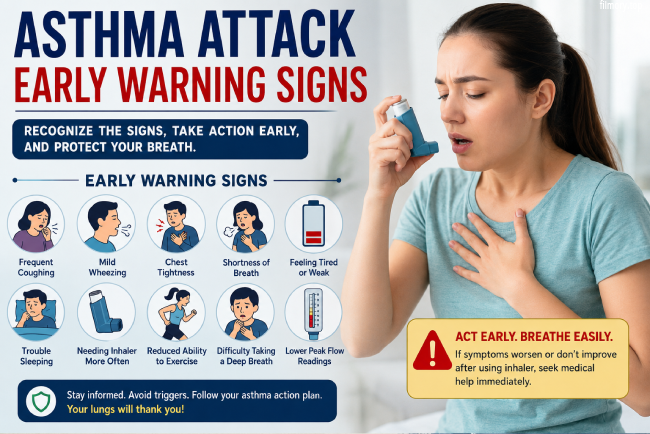
Read more >> Asthma Attack Early Warning Signs You Should Never Ignore
Although COPD cannot be cured, effective treatment helps control symptoms and slow disease progression.
Common treatment options include:
Doctors also recommend avoiding environmental triggers that worsen breathing problems.
Simple lifestyle changes can lower the risk of COPD progression.
Helpful habits include:
Healthy lungs support better energy, improved physical activity, and overall well-being.
Do not ignore breathing problems that continue for several weeks. A persistent cough, increasing shortness of breath, or repeated chest infections deserve medical evaluation. Early diagnosis allows doctors to begin treatment before irreversible lung damage becomes severe.
People with occupational exposure, long-term indoor smoke exposure, or a family history of lung disease should pay special attention to even mild respiratory symptoms.
COPD symptoms in non-smokers deserve greater awareness because smoking is not the only cause of chronic lung disease. Environmental pollution, workplace exposure, genetics, and previous lung conditions all contribute to COPD risk. Recognizing symptoms early, obtaining an accurate diagnosis, and following a personalized treatment plan can improve breathing, reduce complications, and maintain a better quality of life. If you experience ongoing respiratory symptoms, consult a healthcare professional rather than assuming they are simply part of aging or seasonal allergies. Early action remains one of the best ways to preserve long-term lung function.