Physical Address
304 North Cardinal St.
Dorchester Center, MA 02124
Physical Address
304 North Cardinal St.
Dorchester Center, MA 02124

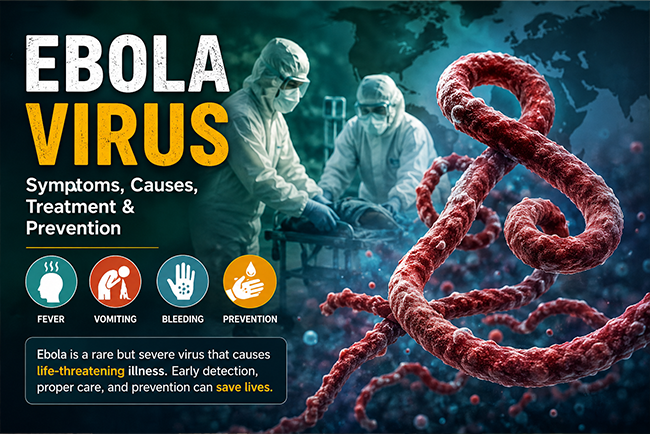
The Ebola virus is a rare but severe disease that can cause life-threatening illness in humans. It belongs to the Filoviridae family and spreads through direct contact with infected body fluids. Although outbreaks are uncommon, Ebola remains a global public health concern because of its high fatality rate. Understanding the symptoms, causes, treatment, and prevention of the Ebola virus can help reduce the risk of infection.
The Ebola virus causes Ebola virus disease (EVD), formerly known as Ebola hemorrhagic fever. Scientists first identified the disease in 1976 during outbreaks in Central Africa. Since then, several outbreaks have occurred, mainly in African countries.
The virus is believed to originate from fruit bats and can spread from animals to humans before passing from person to person.
Symptoms usually appear 2 to 21 days after exposure. Early diagnosis is important because symptoms often resemble other viral infections.
Common symptoms include:
As the disease progresses, dehydration and organ failure may occur, making immediate medical care essential.
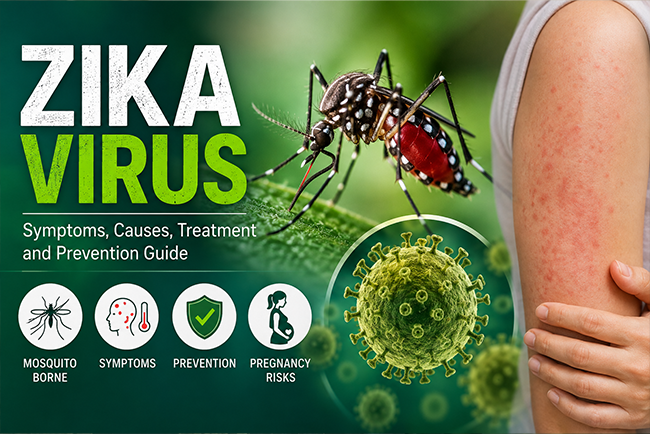
Read More>>Zika Virus: Symptoms, Causes, Treatment, and Prevention Guide
The Ebola virus spreads through direct contact with:
Importantly, Ebola does not spread through the air, food, or water like influenza.
Doctors diagnose Ebola using laboratory tests that detect the virus or its genetic material. Patients with suspected Ebola should be isolated immediately to prevent further transmission.
There is no universal cure for Ebola. However, treatment has improved significantly and focuses on supportive care, including:
Early treatment greatly increases the chances of survival.
Read More>>Ice Cream Man (2026): Release Date, Cast, Story, and Everything We Know
Prevention is the best defense against the Ebola virus. You can lower the risk by following these measures:
Healthcare workers should always use proper infection prevention and control procedures.
Certain groups face a higher risk of Ebola infection, including:
Understanding these risk factors helps communities prepare and respond effectively.
The Ebola virus remains one of the world’s most dangerous infectious diseases, but awareness and prevention can save lives. Recognizing symptoms early, seeking immediate medical care, and following public health guidelines are essential for controlling outbreaks. Continued research, vaccination efforts, and rapid response systems have significantly improved the management of Ebola virus disease. Staying informed is the best way to protect yourself, your family, and your community.