Physical Address
304 North Cardinal St.
Dorchester Center, MA 02124
Physical Address
304 North Cardinal St.
Dorchester Center, MA 02124

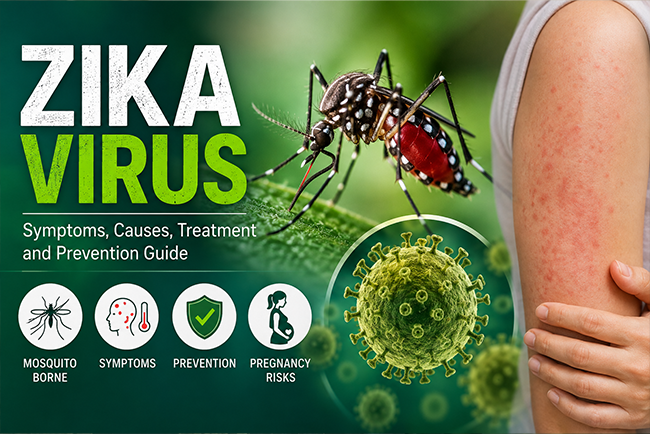
The Zika virus is a mosquito-borne viral infection that has gained global attention due to its impact on pregnant women and newborns. Although most infected people experience mild symptoms or none at all, the virus can cause serious birth defects when contracted during pregnancy. Understanding the Zika virus, its symptoms, treatment, and prevention can help protect you and your family.
The Zika virus belongs to the Flavivirus family and primarily spreads through the bite of infected Aedes aegypti and Aedes albopictus mosquitoes. It can also spread through sexual contact, blood transfusion, and from a pregnant mother to her unborn baby.
The virus is common in tropical and subtropical regions where these mosquitoes thrive.
Read More>>Chikungunya: Symptoms, Causes, Treatment, and Prevention
Many people infected with the Zika virus never develop symptoms. When symptoms appear, they are usually mild and last between 2 and 7 days.
Common symptoms include:
Severe illness is uncommon, but pregnant women require immediate medical evaluation if infection is suspected.
The Zika virus spreads in several ways:
Mosquito bites remain the most common source of infection.
Doctors diagnose the Zika virus by reviewing symptoms, travel history, and possible mosquito exposure. Laboratory tests can confirm the infection using blood or urine samples, especially during the first week after symptoms begin.
Pregnant women with possible exposure may need additional testing and fetal ultrasound monitoring.
Read More>>Zoe Saldaña Built Muscle for Lioness Season 3 After Critics Doubted Her Strength
There is currently no specific antiviral treatment or vaccine for the Zika virus. Most patients recover with supportive care.
Treatment includes:
Most healthy adults recover completely within a week.
Preventing mosquito bites is the best way to reduce the risk of Zika virus infection.
Follow these preventive measures:
Pregnant women should avoid traveling to regions experiencing active Zika outbreaks whenever possible.
The greatest concern with the Zika virus is infection during pregnancy. The virus can cross the placenta and affect fetal brain development, leading to congenital Zika syndrome, including microcephaly and other neurological complications.
Women planning pregnancy should consult their healthcare provider before traveling to high-risk areas.
The Zika virus is generally a mild illness, but it poses significant risks during pregnancy. Early diagnosis, mosquito control, and personal protection remain the most effective ways to prevent infection. Staying informed and following preventive measures can greatly reduce your risk and help protect vulnerable populations.