Physical Address
304 North Cardinal St.
Dorchester Center, MA 02124
Physical Address
304 North Cardinal St.
Dorchester Center, MA 02124

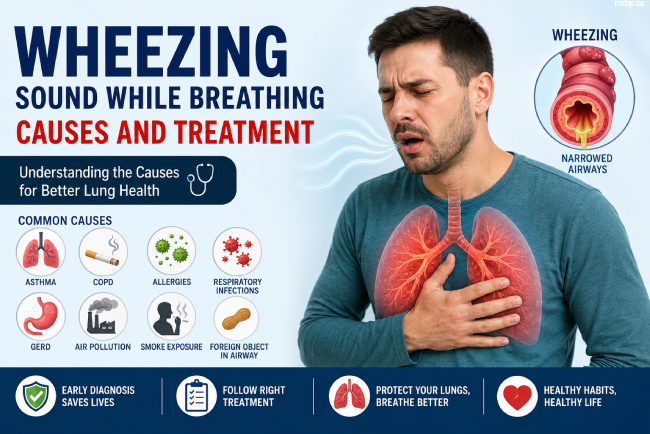
A wheezing sound while breathing is a high-pitched whistling noise that occurs when air moves through narrowed or partially blocked airways. The sound often becomes more noticeable during exhalation, although some people experience it while inhaling as well. Wheezing is not a disease itself. Instead, it is a symptom that may indicate an underlying respiratory condition requiring medical attention.
Many people experience temporary wheezing during seasonal allergies or respiratory infections. Others may develop chronic wheezing because of long-term lung diseases. Understanding the possible causes helps ensure timely diagnosis and appropriate treatment.
Several medical conditions can cause wheezing. The most common cause is asthma, where inflammation and tightening of the airways reduce airflow. People with asthma often notice wheezing during exercise, at night, or after exposure to allergens.
Chronic Obstructive Pulmonary Disease (COPD) is another frequent cause, especially among older adults and smokers. COPD gradually damages the lungs and makes breathing increasingly difficult.
Allergic reactions may also trigger sudden wheezing. Dust mites, pollen, pet dander, mold, and certain foods can cause airway swelling in sensitive individuals.
Respiratory infections such as bronchitis, pneumonia, and viral infections often lead to temporary wheezing. Infections increase mucus production and inflame the airways, making breathing more difficult.
Other possible causes include:
Wheezing rarely occurs alone. Depending on the underlying condition, additional symptoms may develop.
Common symptoms include:
Emergency medical care is necessary if wheezing develops suddenly with severe breathing difficulty, facial swelling, confusion, or chest pain.
Accurate diagnosis begins with a detailed medical history and physical examination. Your healthcare provider will ask when the wheezing started, how often it occurs, and whether specific triggers make it worse.
Several diagnostic tests may be recommended, including:
These evaluations help identify the exact cause and guide effective treatment.
Treatment depends entirely on the underlying condition. For asthma, doctors commonly prescribe inhaled bronchodilators that relax airway muscles and inhaled corticosteroids that reduce inflammation.
Patients with COPD may require long-acting inhalers, pulmonary rehabilitation, and oxygen therapy in advanced stages.
If allergies trigger wheezing, antihistamines, allergy medications, or allergen avoidance often provide relief. Respiratory infections may require antibiotics if bacteria are responsible, while viral infections generally improve with supportive care.
GERD-related wheezing often improves after reducing stomach acid through lifestyle changes and medications.
Never ignore persistent wheezing or rely solely on over-the-counter remedies without medical advice.
Simple lifestyle changes can reduce wheezing episodes and improve lung health.
Helpful strategies include:
People with asthma should also follow a written asthma action plan to recognize worsening symptoms early.
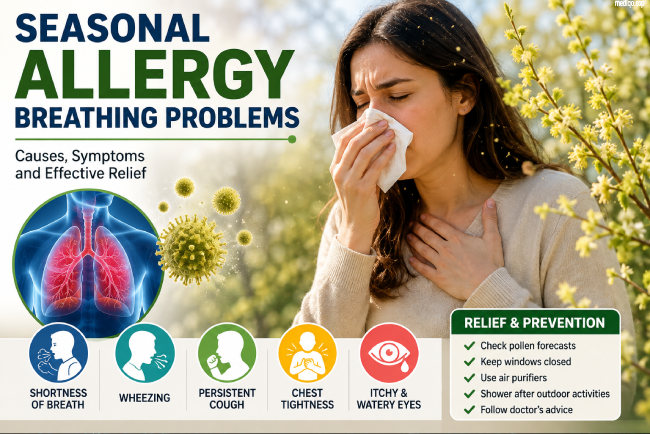
Read more >> Seasonal Allergy Breathing Problems: Causes & Relief
Occasional wheezing during a mild cold may resolve naturally. However, persistent or recurrent wheezing should never be ignored.
Schedule a medical evaluation if wheezing:
Seek emergency care immediately if breathing becomes severely difficult or if lips or fingernails turn blue.
Although not every cause is preventable, healthy habits significantly lower your risk of chronic breathing problems.
Effective prevention includes avoiding smoking, controlling allergies, staying physically active, maintaining good indoor air quality, treating respiratory infections promptly, and following prescribed treatment plans for chronic lung diseases.
Regular medical checkups also help detect respiratory conditions before complications develop.
A wheezing sound while breathing is a warning sign that your airways may be narrowed or inflamed. While asthma and allergies are among the most common causes, infections, COPD, GERD, and several other conditions can also contribute. Early diagnosis allows healthcare providers to identify the underlying problem and recommend effective treatment. If wheezing is persistent, severe, or accompanied by significant breathing difficulty, seek prompt medical attention. Protecting your lung health through preventive care and healthy lifestyle choices can reduce future episodes and improve overall quality of life.