Physical Address
304 North Cardinal St.
Dorchester Center, MA 02124
Physical Address
304 North Cardinal St.
Dorchester Center, MA 02124

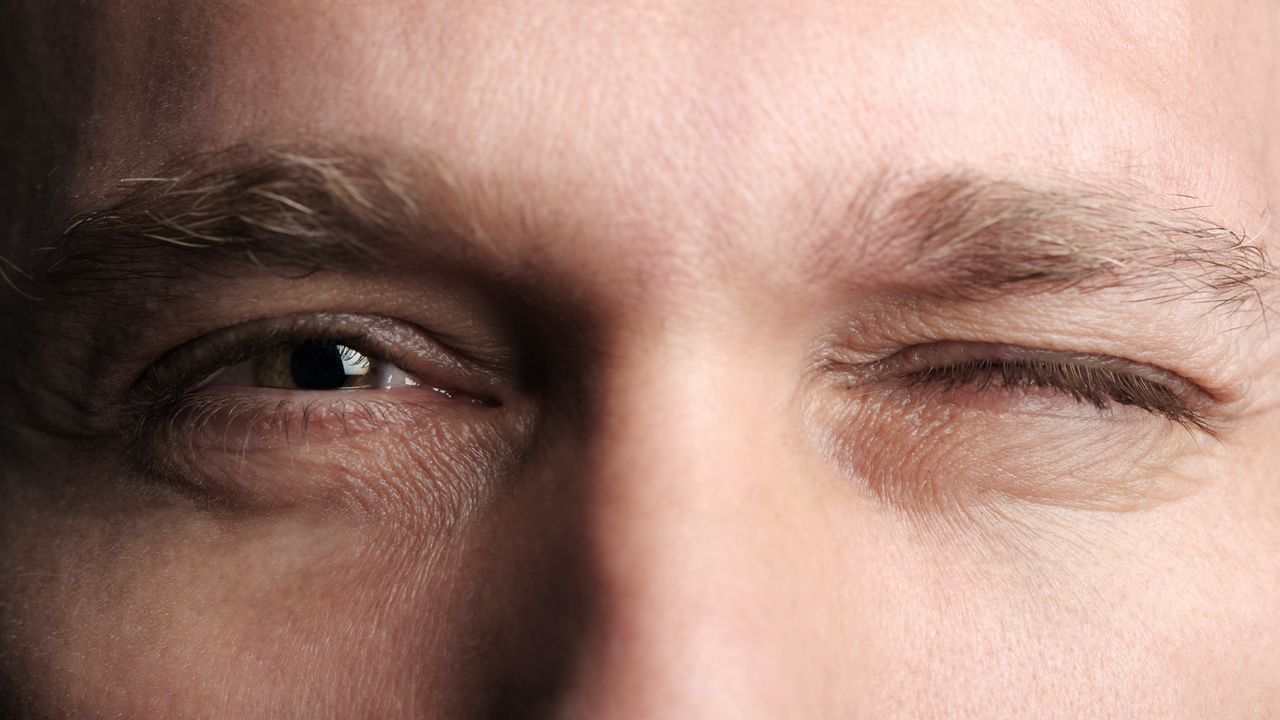
Blepharospasm is a rare but impactful neurological condition that causes involuntary blinking or spasms of the eyelids. While occasional eye twitching is common and harmless, persistent and forceful eyelid contractions can interfere with daily life. In this article, we’ll explore what Blepharospasm is, its causes, symptoms, and the best treatment options available.
Blepharospasm is a form of focal dystonia, a neurological disorder that affects muscle control. It specifically targets the muscles around the eyes, leading to repeated, uncontrollable blinking or eyelid closure. In severe cases, the spasms can temporarily block vision, making tasks like reading or driving difficult.
The symptoms of blepharospasm often develop gradually and may worsen over time. Key signs include:
These symptoms may initially be mild but can progress, affecting quality of life if left untreated.
Read More>>Rett Syndrome: Symptoms, Causes, and Treatment Options
The exact cause of Blepharospasm is not fully understood. However, researchers believe it is linked to dysfunction in the basal ganglia, the part of the brain responsible for muscle control.
Several factors may contribute to the condition:
Although it is not life-threatening, early diagnosis can help manage symptoms effectively.
If you experience persistent eyelid twitching or spasms that interfere with daily activities, it’s important to consult a neurologist or ophthalmologist. Diagnosis is usually based on:
There is no single test for Blepharospasm, so clinical evaluation plays a key role.
While there is no permanent cure, several treatments can significantly reduce symptoms:
This is the most common and effective treatment. Small doses are injected into the eyelid muscles to relax them. Results typically last 3–4 months.
Certain oral medications may help control muscle spasms, though they are less effective than injections.
In rare situations, a procedure called myectomy may be performed to remove some of the muscles responsible for spasms.
Managing Blepharospasm involves a combination of medical treatment and lifestyle changes. Consider these tips:
Blepharospasm is a challenging condition, but with proper diagnosis and treatment, most people can manage their symptoms effectively. Early intervention, combined with modern therapies like botulinum toxin injections, can greatly improve quality of life. If you notice persistent eye spasms, don’t ignore them—seek medical advice and take the first step toward relief.
Read More>>Melissa Barrera Criticizes Scream 7