Physical Address
304 North Cardinal St.
Dorchester Center, MA 02124
Physical Address
304 North Cardinal St.
Dorchester Center, MA 02124

Heart disease is one of the leading health concerns worldwide. It affects millions of people every year and can lead to serious complications if left untreated. Understanding heart disease, its symptoms, and prevention methods can help people maintain a healthier lifestyle and reduce the risk of cardiovascular problems.
Heart Disease refers to several conditions that affect the heart and blood vessels. Common types include coronary artery disease, heart failure, arrhythmia, and heart valve disease. These conditions often develop due to unhealthy lifestyle habits, genetic factors, or other medical conditions.
Heart disease can affect people of all ages. However, the risk increases with age, obesity, smoking, high blood pressure, and diabetes.
Several factors contribute to the development of heart disease. Some of the most common causes include:
Additionally, family history can increase the chances of developing cardiovascular diseases. Therefore, regular medical checkups are important for early detection.
Read More>>Hypertension (High Blood Pressure)
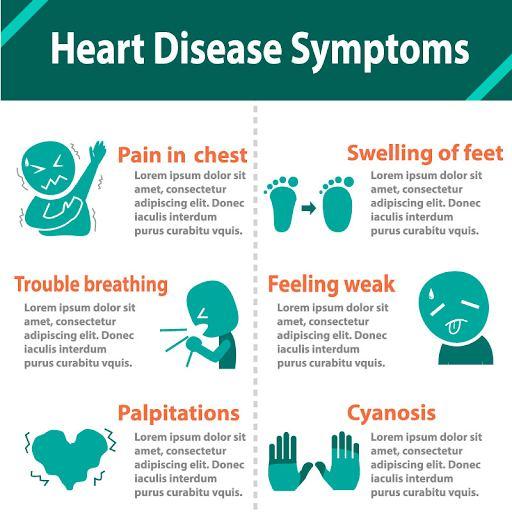
The symptoms of heart disease may vary depending on the condition. However, some warning signs are common and should never be ignored.
Chest pain or discomfort is one of the most common symptoms. It may feel like pressure, tightness, or burning in the chest.
Difficulty breathing during physical activity or while resting may indicate heart problems.
Constant tiredness or weakness can occur when the heart cannot pump blood effectively.
An abnormal heartbeat or palpitations may signal an underlying heart condition.
Other symptoms may include dizziness, swelling in the legs, nausea, or pain in the neck and arms.
Preventing heart disease requires healthy lifestyle choices. Small daily habits can make a significant difference in heart health.
Choose foods rich in fruits, vegetables, whole grains, and lean proteins. Reduce processed foods, sugary drinks, and excess salt intake.
Physical activity helps improve blood circulation and maintain a healthy weight. Experts recommend at least 30 minutes of moderate exercise most days of the week.
Smoking damages blood vessels and increases the risk of heart attacks and strokes. Quitting smoking greatly improves heart health.
Long-term stress may negatively affect the cardiovascular system. Meditation, relaxation, and proper sleep can help reduce stress levels.
Regular health screenings help detect problems early and prevent complications.
Treatment depends on the severity and type of heart disease. Doctors may recommend lifestyle changes, medications, or medical procedures.
Common medications include blood pressure medicines, cholesterol-lowering drugs, and blood thinners. In severe cases, surgery such as bypass surgery or angioplasty may be necessary.
Early diagnosis plays a vital role in successful treatment. Therefore, people experiencing symptoms should seek medical attention immediately.
Maintaining good heart health improves overall well-being and quality of life. A healthy heart supports proper blood circulation, energy levels, and organ function. By adopting healthy habits and staying physically active, people can significantly reduce the risk of heart disease.
Heart disease remains a major global health issue, but many cases are preventable through healthy lifestyle choices. Eating nutritious foods, exercising regularly, avoiding smoking, and managing stress can protect heart health. Recognizing symptoms early and seeking medical care can also improve treatment outcomes. Prioritizing heart health today can lead to a longer and healthier future.
Read More>>Rex Reed Dies at 87