Physical Address
304 North Cardinal St.
Dorchester Center, MA 02124
Physical Address
304 North Cardinal St.
Dorchester Center, MA 02124

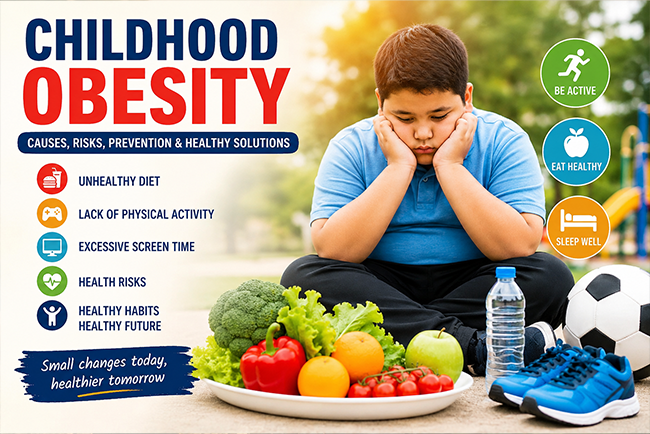
Childhood obesity has become one of the most serious public health concerns worldwide. More children are becoming overweight due to unhealthy eating habits, reduced physical activity, and increased screen time. While occasional weight gain is normal during growth, excessive body fat can increase the risk of long-term health problems.
Understanding childhood obesity, its causes, and prevention strategies can help parents and caregivers support healthy growth and development.
Childhood obesity is a condition in which a child has excess body fat that may negatively affect their health. Healthcare providers typically assess obesity using Body Mass Index (BMI)-for-age percentiles, which compare a child’s height and weight with those of other children of the same age and sex.
Children with obesity are more likely to experience physical, emotional, and social challenges than those with a healthy weight.
Read More>>Malnutrition: Causes, Symptoms, Treatment, and Prevention
Several factors contribute to childhood obesity. In many cases, it results from a combination of lifestyle, environmental, and genetic influences.
Common causes include:
Developing healthy habits early can significantly reduce the risk of childhood obesity.
Childhood obesity may not always cause noticeable symptoms beyond weight gain. However, parents should watch for:
A pediatrician can evaluate whether a child’s weight falls within a healthy range.
If left untreated, childhood obesity can lead to serious health complications during childhood and adulthood.
Some common risks include:
Early intervention can reduce these risks and improve long-term health outcomes.
Read More>>Constantine 2: Everything We Know About Keanu Reeves’ Long-Awaited Supernatural Sequel
Preventing childhood obesity starts with creating healthy family habits rather than focusing on dieting.
Serve balanced meals that include:
Limit fast food, processed snacks, and sugary drinks.
Children should engage in at least 60 minutes of moderate to vigorous physical activity every day. Activities like cycling, swimming, soccer, dancing, and outdoor games help burn calories while improving fitness.
Limit television, video games, smartphones, and tablets. Encourage active play instead of prolonged sitting.
Children who sleep well are less likely to gain excessive weight. Establish consistent bedtime routines appropriate for their age.
Children often imitate their parents’ habits. Families who eat nutritious meals and stay physically active together create healthier lifestyles.
Treatment depends on the child’s age, overall health, and weight status. A healthcare provider may recommend:
Weight-loss medications or surgery are only considered in specific cases and under specialist supervision.
Parents should consult a healthcare professional if they notice rapid weight gain or concerns about their child’s growth. Early evaluation allows healthcare providers to identify possible underlying causes and recommend personalized lifestyle changes.
Childhood obesity is a preventable condition that requires healthy eating, regular physical activity, adequate sleep, and supportive family habits. Small, consistent lifestyle changes can make a lasting difference in a child’s physical and emotional well-being. By encouraging balanced nutrition and active living from an early age, families can help children achieve a healthier future.