Physical Address
304 North Cardinal St.
Dorchester Center, MA 02124
Physical Address
304 North Cardinal St.
Dorchester Center, MA 02124

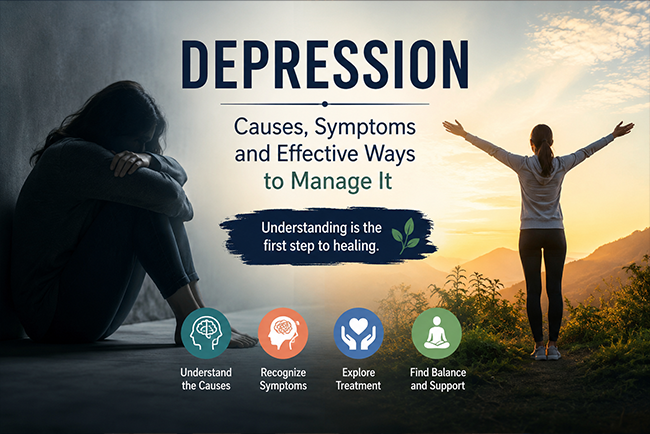
Depression is a serious mental health condition that affects how a person thinks, feels, and behaves. It goes beyond temporary sadness and can impact daily life, relationships, and physical health. Globally, depression is one of the most common mental health disorders and requires proper awareness and care.
Understanding depression early can help in managing its symptoms effectively and improving quality of life.
Depression is a mood disorder characterized by persistent feelings of sadness, hopelessness, and loss of interest in activities once enjoyed. In medical terms, Depression can vary in severity from mild to severe and may last for weeks, months, or even longer if untreated.
It is not simply “feeling low” or “being lazy”—it is a medical condition that requires attention and support.
Read More>>Fatty Liver Disease: Causes, Symptoms, Treatment, and Prevention
Depression affects each person differently, but some common symptoms include:
If these symptoms last for more than two weeks, it may indicate clinical depression.
There is no single cause of depression. It usually results from a combination of factors:
1. Biological Factors
Changes in brain chemicals (neurotransmitters) can affect mood regulation.
2. Genetic Factors
People with a family history of depression may have a higher risk.
3. Psychological Factors
Low self-esteem, trauma, or chronic stress can contribute to depression.
4. Environmental Factors
Difficult life events such as loss, financial problems, or relationship issues can trigger symptoms.
Read More>>Firebreak (2026): A Gripping Spanish Survival
Depression is treatable, and many people recover fully with the right support.
1. Therapy (Counseling)
Psychotherapy such as Cognitive Behavioral Therapy (CBT) helps individuals identify and change negative thought patterns.
2. Medication
Antidepressant medications may be prescribed by healthcare professionals depending on severity.
3. Lifestyle Changes
4. Social Support
Talking to friends, family, or support groups can significantly improve emotional well-being.
Managing depression requires consistent effort and self-care:
Recovery is a gradual process, and progress may take time.
If symptoms of depression begin to interfere with daily life, school, work, or relationships, it is important to seek professional help. Early treatment improves recovery outcomes significantly.
Depression is a common but serious mental health condition that should never be ignored. With proper awareness, support, and treatment, individuals can recover and lead fulfilling lives. Understanding symptoms and causes is the first step toward healing and mental wellness.
Taking care of mental health is just as important as physical health.