Physical Address
304 North Cardinal St.
Dorchester Center, MA 02124
Physical Address
304 North Cardinal St.
Dorchester Center, MA 02124

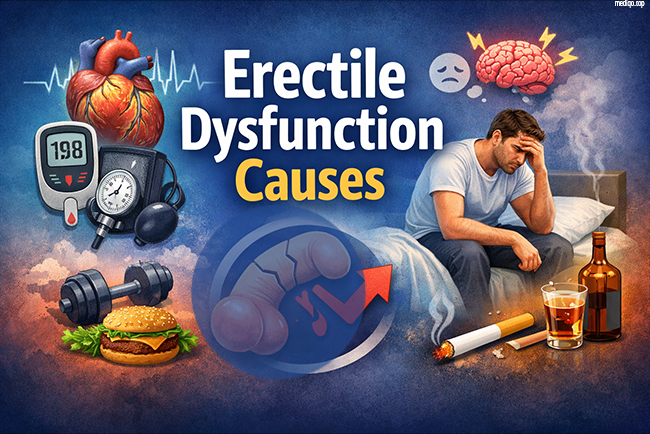
Erectile Dysfunction (ED) affects millions of men worldwide and can impact both physical health and emotional well-being. It refers to the consistent inability to achieve or maintain an erection sufficient for sexual activity. While occasional issues are common, persistent problems may signal underlying health conditions. Understanding the causes of ED helps in early diagnosis and effective treatment.
Many cases of ED stem from physical health problems. Conditions such as Diabetes, Hypertension, and Heart Disease often reduce blood flow to the penis. Proper blood circulation is essential for achieving an erection. When arteries become narrow or blocked, erectile function declines.
Hormonal imbalances also play a role. Low levels of Testosterone can reduce libido and erectile strength. In addition, obesity and metabolic syndrome may disrupt hormone levels and damage blood vessels.
Mental health significantly influences sexual performance. Stress, anxiety, and depression can interfere with the brain’s ability to send signals needed for an erection. Performance anxiety often worsens the condition, creating a cycle of ongoing difficulty.
Relationship issues also contribute to ED. Lack of communication or emotional connection may reduce sexual desire. Psychological counseling and therapy often improve these cases when addressed early.
Read more >> Prostate Enlargement Symptoms: Signs, Causes
Unhealthy lifestyle choices can increase the risk of erectile dysfunction. Smoking damages blood vessels and restricts circulation. Excessive alcohol consumption reduces sexual response and affects hormone levels.
A sedentary lifestyle also contributes to ED. Regular physical activity improves blood flow and supports cardiovascular health. Poor diet, especially one high in processed foods, increases the likelihood of developing conditions linked to ED.
Certain medications may lead to erectile dysfunction as a side effect. Drugs used to treat high blood pressure, depression, and anxiety sometimes interfere with sexual function. For example, antidepressants can reduce libido or delay ejaculation.
It is important not to stop medications without consulting a healthcare provider. A doctor may adjust the dosage or recommend alternatives that have fewer sexual side effects.
The nervous system plays a critical role in initiating erections. Disorders such as Parkinson’s Disease and Multiple Sclerosis can disrupt nerve signals between the brain and the penis. Spinal cord injuries also affect erectile function by limiting nerve communication.
These conditions require specialized treatment approaches that address both neurological health and sexual function.
Age increases the risk of erectile dysfunction, but it does not cause it directly. Older men often develop health conditions that contribute to ED. Testosterone levels gradually decline with age, which may affect sexual performance.
Despite this, many older men maintain healthy sexual lives with proper care and lifestyle adjustments. Age should not be seen as the sole reason for ED.
Men should consult a doctor if erectile dysfunction persists for several weeks or worsens over time. ED may act as an early warning sign of serious health issues such as cardiovascular disease. Early diagnosis can prevent complications and improve quality of life.
Doctors may perform physical exams, blood tests, and psychological evaluations to determine the root cause. Treatment options vary based on the underlying issue.
Erectile dysfunction has multiple causes, including physical, psychological, and lifestyle factors. Identifying the exact cause helps in choosing the most effective treatment. Healthy habits, medical support, and open communication can significantly improve outcomes. Addressing ED early leads to better health and stronger relationships.