Physical Address
304 North Cardinal St.
Dorchester Center, MA 02124
Physical Address
304 North Cardinal St.
Dorchester Center, MA 02124

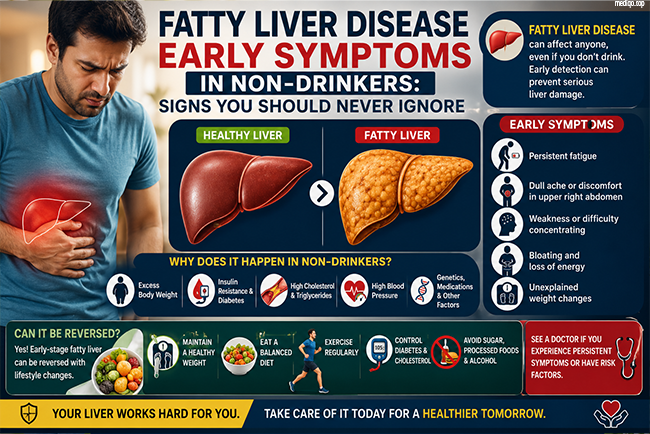
Many people believe that fatty liver disease only affects those who drink alcohol regularly. However, that is not true. Non-alcoholic fatty liver disease (NAFLD) develops when excess fat builds up in the liver of people who drink little or no alcohol. It has become one of the most common liver conditions worldwide due to rising rates of obesity, type 2 diabetes, and metabolic syndrome.
The biggest challenge is that the disease often develops silently. Many people have no symptoms until liver damage becomes more advanced. Learning the early warning signs can help you seek medical advice before serious complications develop.
The early symptoms of fatty liver disease in non-drinkers are usually mild and easy to overlook. Some people notice persistent fatigue even after getting enough sleep. Others experience a dull ache or discomfort in the upper right side of the abdomen, where the liver is located.
Some individuals report feeling unusually weak or having difficulty concentrating. Mild bloating, loss of energy, and unexplained weight changes may also appear. Although these symptoms are not specific to fatty liver disease, they should not be ignored if they continue for several weeks.
Several health conditions increase the risk of developing fatty liver even if you never drink alcohol. Excess body weight is one of the leading causes. Fat around the abdomen increases the amount of fat stored in the liver.
Insulin resistance also plays a major role. It commonly affects people with type 2 diabetes and prediabetes. High cholesterol, elevated triglycerides, high blood pressure, and metabolic syndrome further increase the risk. In some cases, genetics, certain medications, rapid weight loss, or polycystic ovary syndrome (PCOS) can contribute to fatty liver disease.
Anyone can develop non-alcoholic fatty liver disease, but some groups have a much higher risk. Adults who are overweight or obese are especially vulnerable. People with diabetes, high cholesterol, or high blood pressure should also pay close attention to liver health.
Older adults face a greater risk because fat accumulation often increases with age. A family history of liver disease or metabolic disorders may also raise the likelihood of developing NAFLD.
Read more >> Causes of Chronic Insomnia in Adults
Doctors usually begin with a medical history and physical examination. Blood tests help evaluate liver enzymes, although normal results do not always rule out fatty liver disease.
Imaging tests such as an ultrasound often detect fat accumulation in the liver. In some situations, doctors may recommend MRI scans, FibroScan, or other specialized tests to measure liver stiffness and scarring. A liver biopsy is reserved for selected cases when the diagnosis remains uncertain or advanced disease is suspected.
Read more >> Chand Mera Dil (2026) Review: A Heartfelt Campus Romance
The good news is that early-stage fatty liver disease is often reversible. Lifestyle changes remain the most effective treatment for most people. Losing 7% to 10% of body weight can significantly reduce liver fat and inflammation.
Regular physical activity also improves insulin sensitivity and supports liver function. Experts recommend at least 150 minutes of moderate exercise each week. A balanced diet rich in vegetables, fruits, whole grains, lean protein, and healthy fats can further protect the liver. Limiting sugary drinks, processed foods, and refined carbohydrates is equally important.
Doctors may also recommend controlling diabetes, cholesterol, and blood pressure to reduce ongoing liver damage.
You should schedule a medical evaluation if fatigue, abdominal discomfort, or unexplained weakness continues for several weeks. Routine health screenings become even more important if you have obesity, diabetes, or metabolic syndrome.
Seek immediate medical attention if you develop yellowing of the skin or eyes, severe abdominal swelling, confusion, vomiting blood, or black stools. These symptoms may indicate advanced liver disease and require urgent care.
Fatty liver disease early symptoms in non-drinkers are often subtle, which makes early detection challenging. Persistent fatigue, mild abdominal discomfort, and unexplained weakness may seem harmless but could signal underlying liver problems. Fortunately, early diagnosis and healthy lifestyle changes can prevent disease progression and even reverse liver fat in many cases. Regular medical checkups, a nutritious diet, and consistent exercise remain the best strategies for protecting long-term liver health.