Physical Address
304 North Cardinal St.
Dorchester Center, MA 02124
Physical Address
304 North Cardinal St.
Dorchester Center, MA 02124

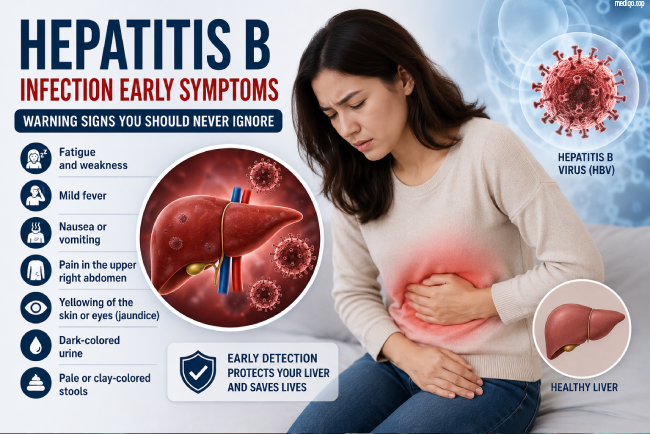
Hepatitis B is a viral infection that attacks the liver and may lead to both short-term (acute) and long-term (chronic) illness. It is caused by the hepatitis B virus (HBV), which spreads through contact with infected blood, semen, or other body fluids. Many people experience mild symptoms or no symptoms at all during the early stage, making the infection difficult to detect. However, recognizing hepatitis B infection early symptoms can help prevent serious liver damage and reduce the risk of spreading the virus to others.
The early phase of hepatitis B infection often goes unnoticed because symptoms can resemble common viral illnesses. Despite this, the virus may already be affecting the liver. Early diagnosis allows healthcare providers to monitor liver function, recommend treatment when necessary, and reduce the chances of complications such as cirrhosis or liver cancer. People who receive timely care generally have better long-term outcomes.
The first signs of hepatitis B usually appear one to four months after exposure to the virus. Symptoms vary from person to person, and some individuals may not develop any symptoms.
Common early symptoms include:
Fatigue is often one of the earliest complaints. Many people also notice digestive discomfort before jaundice develops. If these symptoms continue for several days, medical evaluation is recommended.
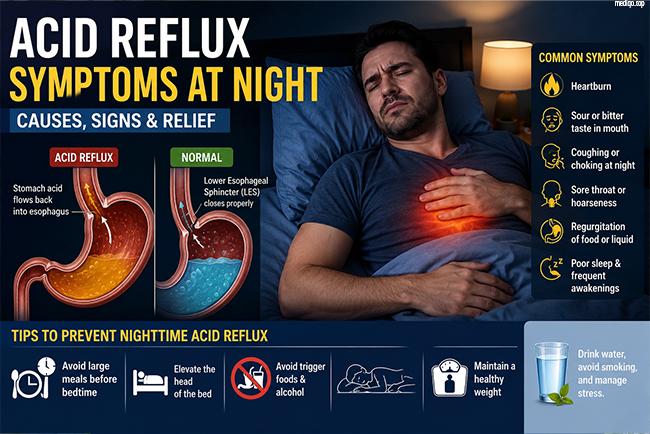
Read more >> Acid Reflux Symptoms at Night: Causes and Relief
Anyone can become infected with hepatitis B, but certain groups have a greater risk. Understanding these risk factors helps people seek testing when appropriate.
Higher-risk individuals include:
Vaccination remains the most effective way to prevent infection.
Doctors cannot diagnose hepatitis B based on symptoms alone because they are similar to many other illnesses. Blood tests are required to confirm the infection and determine whether it is acute or chronic.
Diagnostic tests may include:
These tests help healthcare providers evaluate liver health and decide whether treatment or regular monitoring is needed.
There is no specific cure for acute hepatitis B infection. Most healthy adults recover naturally with supportive care. During recovery, patients should stay hydrated, eat nutritious foods, avoid alcohol, and get enough rest.
Chronic hepatitis B may require antiviral medications to reduce viral activity and prevent liver damage. Treatment plans depend on viral load, liver enzyme levels, and the extent of liver injury. Regular follow-up is essential for people living with chronic HBV infection.
Preventing hepatitis B is easier than treating its long-term complications. Vaccination offers excellent protection and is recommended for infants, healthcare workers, and other high-risk groups.
Additional prevention tips include:
Simple preventive measures can significantly lower the risk of infection.
Seek medical attention if you develop jaundice, persistent fatigue, severe abdominal pain, dark urine, or if you believe you have been exposed to hepatitis B. Early testing is especially important after accidental needle injuries, unprotected sexual contact, or exposure to infected blood.
Prompt medical care can improve outcomes and reduce the risk of transmitting the virus to others.
Recognizing hepatitis B infection early symptoms is an important step toward protecting your liver and overall health. While some people experience only mild discomfort, others may develop serious liver complications if the infection remains untreated. Vaccination, early diagnosis, and regular medical follow-up are the best strategies for preventing long-term health problems. If you notice symptoms or think you have been exposed to hepatitis B, consult a healthcare professional as soon as possible. Early action can make a significant difference in recovery and long-term liver health.