Physical Address
304 North Cardinal St.
Dorchester Center, MA 02124
Physical Address
304 North Cardinal St.
Dorchester Center, MA 02124

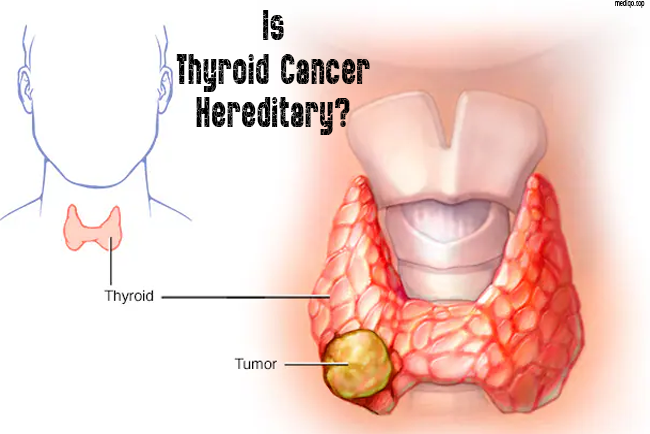
Many people wonder whether thyroid cancer is hereditary. The question is important because early awareness can guide better health decisions. Thyroid cancer can run in families, but not all types behave the same way. Most cases develop without a clear genetic cause. Still, certain gene mutations increase the risk within families. Knowing these patterns helps individuals take informed steps for prevention and screening.
Thyroid cancer has several types. Only a few of them have strong hereditary links. Medullary thyroid carcinoma (MTC) is the most well-known hereditary type. It often appears in a condition called Multiple Endocrine Neoplasia type 2 (MEN2). This condition happens due to RET gene mutations. Family members who inherit the mutation face higher risks. Papillary and follicular thyroid cancers may also appear in families. Their hereditary patterns are weaker but present in some cases.
Read more >> What Does Syphilis Look Like?
Specific genetic changes can raise thyroid cancer risk. RET mutations are the most studied. These mutations trigger abnormal cell growth in the thyroid gland. Some families have mutations in genes like PTEN, APC, or DICER1. These mutations can cause syndromes linked to thyroid tumors. Genetic testing helps identify these risks early. People with affected genes should consult a specialist for proper guidance.
Read more >> Good Luck, Have Fun, Don’t Die – Everything to Know About the Upcoming Sci-Fi Blockbuster
Family history plays a key role in thyroid cancer risk assessment. Doctors advise screening for people with close relatives diagnosed with MTC or MEN2. Neck ultrasound and blood tests can help detect early changes. Screening may start in childhood for high-risk families. Individuals with a weaker hereditary link can follow general screening guidelines. Regular checkups support early detection and better outcomes.
Even though genetics can influence thyroid cancer, lifestyle and environment matter too. Exposure to radiation increases risk. Poor diet, obesity, and low iodine levels may also contribute. These factors can affect people with or without hereditary risk. Healthy habits reduce the overall chance of developing thyroid issues. Balanced nutrition, exercise, and avoiding unnecessary radiation improve thyroid health.
People with a family history of thyroid cancer should stay alert. A painless lump in the neck is the most common sign. Hoarseness, difficulty swallowing, or swollen lymph nodes can appear too. These symptoms do not always indicate cancer, but early checks help rule out serious problems. High-risk individuals should report symptoms quickly to a doctor.
Genetic testing can guide prevention for families with known thyroid cancer patterns. It is recommended for relatives of people diagnosed with hereditary MTC or MEN2. Testing identifies whether someone carries a harmful mutation. Early detection allows doctors to suggest preventive steps. These may include regular monitoring or preventive surgery in severe cases.
Awareness is a powerful tool for people with hereditary risk. Early action improves treatment success. High-risk individuals should follow screening plans and maintain healthy habits. Most thyroid cancers grow slowly, and treatment works well when detected early. Understanding personal and family history helps create a strong prevention strategy.
Thyroid cancer can be hereditary, but not always. Certain types, especially medullary thyroid carcinoma, have strong genetic links. Other forms may show mild family patterns. Genetic testing, early screening, and healthy lifestyle choices help manage risk. Awareness and timely action offer the best protection. People with a family history should talk to a healthcare provider to understand their risk level and next steps.