Physical Address
304 North Cardinal St.
Dorchester Center, MA 02124
Physical Address
304 North Cardinal St.
Dorchester Center, MA 02124

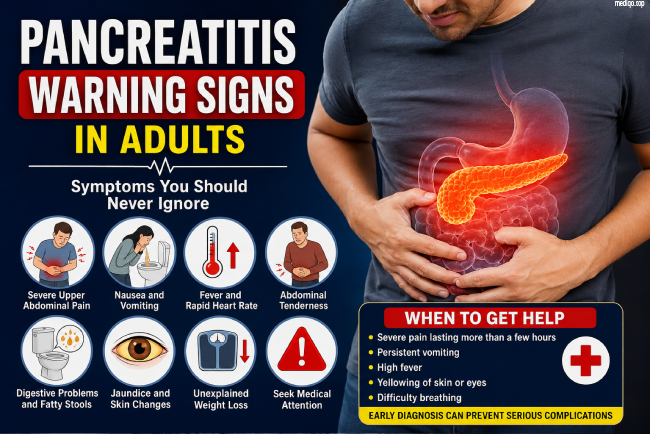
Pancreatitis is inflammation of the pancreas, an organ located behind the stomach that produces digestive enzymes and hormones like insulin. When the pancreas becomes inflamed, these enzymes can start damaging the pancreatic tissue instead of helping digest food. This condition can appear suddenly (acute pancreatitis) or develop over time (chronic pancreatitis). Recognizing pancreatitis warning signs in adults early can reduce complications and improve treatment outcomes.
Ignoring the early symptoms of pancreatitis can lead to serious health problems, including pancreatic infection, tissue damage, breathing difficulties, kidney failure, and diabetes. Many adults mistake the initial symptoms for indigestion or stomach flu, delaying medical care. Knowing the warning signs helps you seek prompt treatment before the condition becomes life-threatening.
The most common warning sign is intense pain in the upper abdomen. The pain often starts suddenly and may spread to the back or left shoulder blade. Many people describe it as a constant, deep, burning pain that worsens after eating, especially fatty meals. Sitting forward or curling into a ball may provide temporary relief, but the pain usually does not disappear on its own.
Persistent nausea and repeated vomiting are common symptoms of acute pancreatitis. Unlike food poisoning, vomiting often does not relieve the abdominal pain. If nausea continues alongside severe stomach pain, it should not be ignored. Dehydration can develop quickly, making medical attention even more important.
Inflammation inside the pancreas can trigger a fever and increase the heart rate. Adults may experience chills, sweating, weakness, and fatigue. A racing heartbeat combined with abdominal pain may indicate that the inflammation is becoming severe or that an infection is developing.
The abdomen may become swollen, firm, or tender when touched. Some people notice bloating that makes normal movement uncomfortable. This tenderness usually accompanies severe upper abdominal pain and signals that the pancreas is significantly inflamed.
Chronic pancreatitis often affects digestion because the pancreas cannot produce enough digestive enzymes. This may result in oily, greasy, foul-smelling stools that float in the toilet. Frequent diarrhea, unexplained weight loss, and poor nutrient absorption are also common warning signs in adults.
Although less common, pancreatitis can block the bile duct, leading to jaundice. This condition causes yellowing of the skin and eyes. Dark urine, pale-colored stools, and itchy skin may also appear. These symptoms require immediate medical evaluation because they may indicate blockage or severe pancreatic disease.
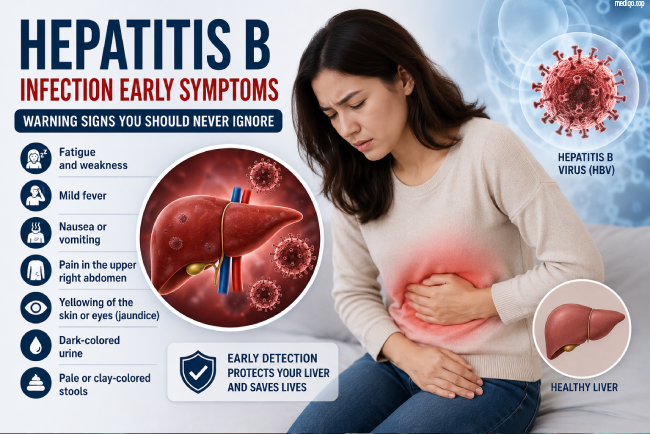
Read more >> Hepatitis B Infection Early Symptoms: Warning Signs
Several factors increase the likelihood of developing pancreatitis:
Reducing these risk factors can significantly lower the chance of developing pancreatitis.
Seek emergency medical attention immediately if you experience:
Early diagnosis often includes blood tests, CT scans, ultrasound, or MRI to identify inflammation and its cause.
Healthy lifestyle choices play an important role in preventing pancreatitis. Limit alcohol intake, avoid smoking, maintain a healthy weight, and follow a balanced diet rich in fruits, vegetables, lean proteins, and whole grains. Managing cholesterol and triglyceride levels also supports pancreatic health. Individuals with gallstones or recurrent abdominal pain should consult a healthcare provider before symptoms become severe.
Recognizing pancreatitis warning signs in adults can make a critical difference. Severe upper abdominal pain, persistent vomiting, fever, digestive changes, and jaundice should never be ignored. While some digestive discomfort resolves naturally, pancreatitis requires prompt medical evaluation. Early treatment helps prevent complications and supports a faster recovery. If you or someone you know develops these symptoms, seek medical care without delay.