Physical Address
304 North Cardinal St.
Dorchester Center, MA 02124
Physical Address
304 North Cardinal St.
Dorchester Center, MA 02124
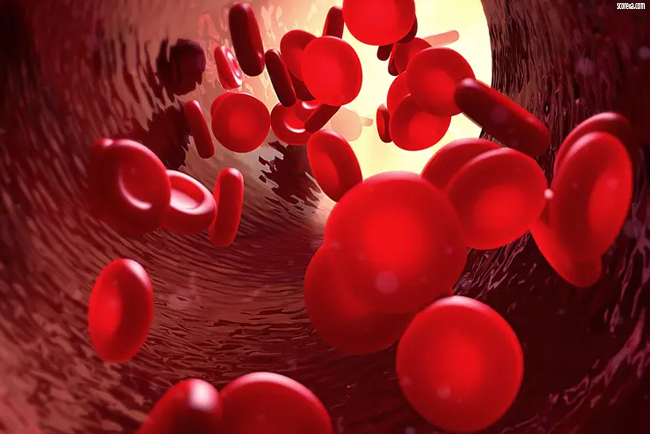
Thalassemia is an inherited blood disorder that affects hemoglobin production. Hemoglobin helps red blood cells carry oxygen throughout the body. When hemoglobin levels drop, the body cannot function properly. Thalassemia symptoms vary depending on the type and severity of the condition. Some people experience mild signs, while others face serious health complications. Early awareness of thalassemia symptoms helps prevent long-term damage and improves quality of life.
Thalassemia develops due to genetic mutations passed from parents to children. These mutations reduce or stop hemoglobin production. The disorder mainly affects people from Asia, the Middle East, Africa, and the Mediterranean region. A child inherits thalassemia when one or both parents carry the faulty gene. Symptoms appear when the body cannot compensate for low hemoglobin levels.
Read more >> What Causes AIDS? Understanding HIV, Transmission, and Prevention
Early thalassemia symptoms often appear during infancy or early childhood. Fatigue is one of the most common warning signs. Children may appear pale due to low red blood cell counts. Slow growth and delayed development can also occur. Frequent infections may signal a weakened immune system. These early signs should never be ignored.
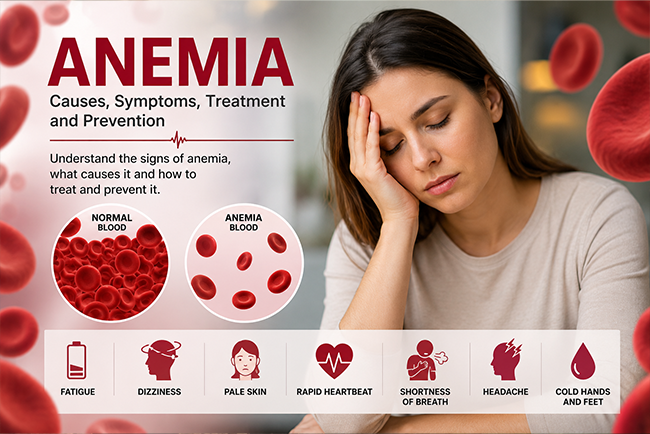
Many people experience visible physical symptoms of thalassemia. Persistent weakness affects daily activities. Shortness of breath occurs during mild exertion. Dizziness and headaches develop due to poor oxygen supply. Dark-colored urine may appear after red blood cell breakdown. Cold hands and feet are also common complaints.
Severe thalassemia symptoms affect bone structure over time. The body tries to produce more blood cells inside bones. This process causes bone marrow expansion. Facial bones may become enlarged. The skull can appear wider than normal. Bone pain and fractures may occur in advanced cases.
The spleen plays a key role in filtering damaged blood cells. In thalassemia, the spleen works harder than normal. Splenomegaly, or an enlarged spleen, often develops. This condition causes abdominal pain and fullness. The liver may also enlarge due to excess iron buildup. These symptoms require medical monitoring.
Frequent blood transfusions can cause iron overload. Excess iron damages vital organs. Heart problems may develop, including irregular heartbeat. Liver damage can lead to jaundice and weakness. Hormonal imbalance affects growth and puberty. Proper treatment helps reduce iron-related complications.
Children with thalassemia may show symptoms earlier than adults. Poor appetite affects nutrition and growth. Delayed puberty occurs in severe cases. Learning difficulties may arise due to chronic fatigue. Emotional stress can also affect mental health. Early diagnosis allows timely intervention.
Mild thalassemia causes few or no symptoms. Many people remain unaware of the condition. Severe thalassemia causes life-long health issues. Regular medical care becomes essential. Symptoms worsen without proper treatment. Knowing the difference helps guide medical decisions.
Medical attention is necessary when symptoms persist. Unexplained fatigue should raise concern. Frequent infections need evaluation. Delayed growth in children requires testing. Early diagnosis improves long-term outcomes. Genetic counseling also helps families plan for the future.
Thalassemia symptoms range from mild fatigue to serious organ complications. The severity depends on genetic factors and treatment access. Awareness plays a vital role in early detection. Proper medical care improves survival and quality of life. Understanding thalassemia symptoms empowers individuals to seek timely help.