Physical Address
304 North Cardinal St.
Dorchester Center, MA 02124
Physical Address
304 North Cardinal St.
Dorchester Center, MA 02124

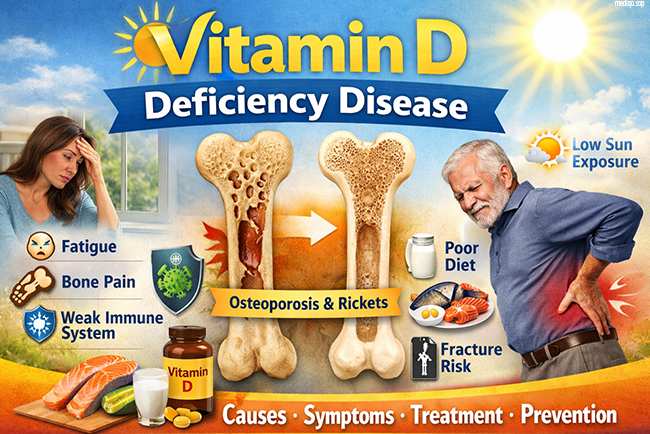
Vitamin D deficiency disease occurs when the body lacks enough vitamin D to maintain healthy bones and normal body functions. Vitamin D helps the body absorb calcium and phosphorus, which are essential for strong bones and teeth. When vitamin D levels drop too low, several health problems may appear. Many people around the world experience vitamin D deficiency due to limited sunlight exposure, poor diet, or certain medical conditions. Early awareness helps prevent serious complications.
Vitamin D deficiency disease develops when the body does not receive or produce sufficient vitamin D. The human body produces vitamin D when the skin gets direct sunlight. However, indoor lifestyles and sun protection habits often reduce this natural production.
This deficiency can weaken bones and muscles. In children, it may lead to rickets, a condition that causes soft and deformed bones. In adults, it may cause osteomalacia, which leads to bone pain and muscle weakness. Long-term deficiency can also increase the risk of osteoporosis and fractures.
Several factors contribute to vitamin D deficiency. One of the most common causes is limited exposure to sunlight. People who spend most of their time indoors may not receive enough ultraviolet rays to produce vitamin D naturally.
Diet also plays an important role. Many people do not consume foods rich in vitamin D. Fatty fish, egg yolks, and fortified dairy products contain this nutrient, but they are not always included in daily meals.
Certain medical conditions may also affect vitamin D absorption. Digestive disorders such as Crohn’s disease and celiac disease can reduce the body’s ability to absorb nutrients. In addition, older adults and individuals with darker skin may produce less vitamin D from sunlight.
Read more >> Iron Deficiency Symptoms: Early Signs, Causes, and Prevention
Vitamin D deficiency often develops slowly, and symptoms may appear gradually. Some people may not notice clear signs at first. However, several symptoms can indicate low vitamin D levels.
Common symptoms include fatigue, muscle weakness, and bone pain. Frequent illnesses or infections may also occur because vitamin D supports immune system function. Some individuals experience mood changes or mild depression when vitamin D levels drop.
Children with severe deficiency may develop bowed legs or delayed growth. Adults may notice persistent back pain or muscle discomfort. Identifying these symptoms early can help prevent serious health complications.
Long-term vitamin D deficiency can lead to several serious health problems. Weak bones represent one of the most common risks. Without enough vitamin D, the body cannot absorb calcium effectively.
Low vitamin D levels may also increase the risk of osteoporosis. This condition reduces bone density and makes fractures more likely. Older adults face a higher risk of falls and bone injuries due to weakened muscles and bones.
Research also suggests that vitamin D deficiency may affect the immune system. Some studies indicate links between low vitamin D levels and conditions such as heart disease, diabetes, and certain autoimmune disorders.
Doctors diagnose vitamin D deficiency through a simple blood test. The test measures the level of 25-hydroxyvitamin D in the bloodstream. This measurement helps determine whether vitamin D levels fall within a healthy range.
Healthcare providers may recommend testing for people with bone pain, muscle weakness, or risk factors for deficiency. Early diagnosis allows doctors to suggest appropriate treatment and lifestyle adjustments.
Treatment for vitamin D deficiency usually involves supplements and lifestyle changes. Doctors often recommend vitamin D supplements to restore normal levels. The dosage depends on the severity of the deficiency and the patient’s age.
Sunlight exposure can also help increase vitamin D production. Spending about 10 to 20 minutes in sunlight several times a week may support healthy levels. However, individuals should balance sun exposure with skin protection.
Dietary improvements can further prevent deficiency. Foods rich in vitamin D include salmon, tuna, egg yolks, fortified milk, and fortified cereals. Regular physical activity and balanced nutrition support overall bone health.
Vitamin D deficiency disease is a common but preventable health condition. Lack of sunlight, poor diet, and certain medical conditions can reduce vitamin D levels in the body. Early detection and proper treatment help prevent serious complications such as weak bones and fractures.
Maintaining healthy vitamin D levels requires a balanced lifestyle that includes sunlight exposure, nutritious foods, and medical guidance when needed. By understanding the causes and symptoms, individuals can take proactive steps to protect their bone health and overall well-being.