Physical Address
304 North Cardinal St.
Dorchester Center, MA 02124
Physical Address
304 North Cardinal St.
Dorchester Center, MA 02124

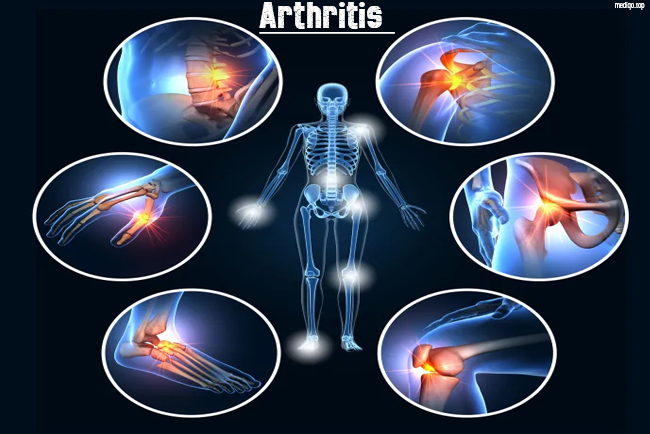
Rheumatoid arthritis (RA) is an autoimmune disease that causes chronic inflammation in the joints. Unlike osteoarthritis, which results from wear and tear, RA occurs when the immune system mistakenly attacks the joint lining. This condition affects both small and large joints, leading to pain, stiffness, and swelling. Early diagnosis and treatment are crucial to slowing its progression and preventing permanent damage.
In the first stage, inflammation begins inside the joint capsule, but there is no visible bone damage yet. The synovial membrane, which lines the joints, becomes inflamed and thickened. Patients may feel mild stiffness, tenderness, or swelling in their hands or feet. Morning stiffness lasting longer than 30 minutes is often one of the first warning signs.
At this point, X-rays usually show no bone erosion. However, blood tests may reveal markers like rheumatoid factor (RF) or anti-CCP antibodies. Early treatment with disease-modifying antirheumatic drugs (DMARDs) can help control inflammation and prevent further joint deterioration.
Read more >> What Is Japanese Encephalitis?
As RA advances to stage 2, the inflammation begins to damage cartilage — the smooth tissue that cushions joints. The joint space narrows, causing more pain and stiffness. Patients often report difficulty performing daily tasks such as gripping, walking, or bending.
At this stage, X-rays and MRI scans may show cartilage loss and minor bone erosion. Swelling becomes more pronounced, and fatigue or low-grade fever can appear. Proper medical care, including DMARDs and biologic agents, can help slow joint destruction and reduce discomfort. Physical therapy also plays a vital role in maintaining flexibility and strength.
Read more >> Spider-Man: Brand New Day (2026) — A Fresh Chapter for Peter Parker
Stage 3 is marked by severe inflammation and significant joint damage. The cartilage is almost completely destroyed, and bone erosion becomes visible. As a result, joints may begin to deform, leading to noticeable changes in appearance and mobility.
Symptoms such as severe pain, swelling, and reduced range of motion become more constant. Simple tasks like buttoning a shirt or climbing stairs can feel impossible. At this stage, aggressive treatment is necessary to prevent irreversible damage. Doctors may recommend biologic therapies or corticosteroid injections to manage inflammation. In some cases, surgery may be considered to repair or replace damaged joints.
The final stage of RA, known as end-stage or terminal RA, occurs when inflammation subsides but the joints are severely damaged. The cartilage and bone are completely destroyed, resulting in loss of joint function. Although pain may lessen, stiffness and immobility increase.
Patients often experience significant disability and dependence on assistive devices. Surgery, including joint replacement, may help restore limited mobility and relieve discomfort. At this stage, the focus shifts to pain management, physical therapy, and lifestyle modifications. Early intervention in earlier stages can often prevent progression to stage 4.
While RA cannot be cured, its progression can be controlled. Early diagnosis, consistent treatment, and lifestyle adjustments are the keys to living well with this condition. Eating an anti-inflammatory diet, staying active, and avoiding smoking can help reduce flare-ups. Regular check-ups with a rheumatologist ensure timely medication adjustments and prevent long-term complications.
Understanding the four stages of rheumatoid arthritis helps patients recognize symptoms and seek early treatment. Each stage presents unique challenges, but with modern medical therapies, progression can often be slowed or even stopped. Awareness, timely care, and proactive management can make a significant difference in preserving joint function and quality of life.